Basement Remodel Cost: What Homeowners Pay in 2025
A finished basement is the cheapest square footage in your house to gain. You already have the walls, the floor slab, and the footprint — you’re paying to convert raw space into livable square footage, not to build from scratch. The typical basement remodel cost runs from about $11,000 for a basic, open-plan finish to $80,000 or more for a high-end space with a kitchen, bathroom, and custom cabinetry. Most homeowners land somewhere in the middle, spending an average of roughly $32,000 to finish an 800-to-1,200-square-foot basement.
What you get for that money matters more than the headline number. A simple drywall-and-carpet job returns less usable space and a lower resale value than a properly insulated, waterproofed, and permitted remodel with a bathroom rough-in. Before you pull a permit or buy a single sheet of drywall, it pays to understand where the dollars actually go.
This guide breaks down real 2025 pricing per square foot, by project scope, and by trade so you can budget without surprises.
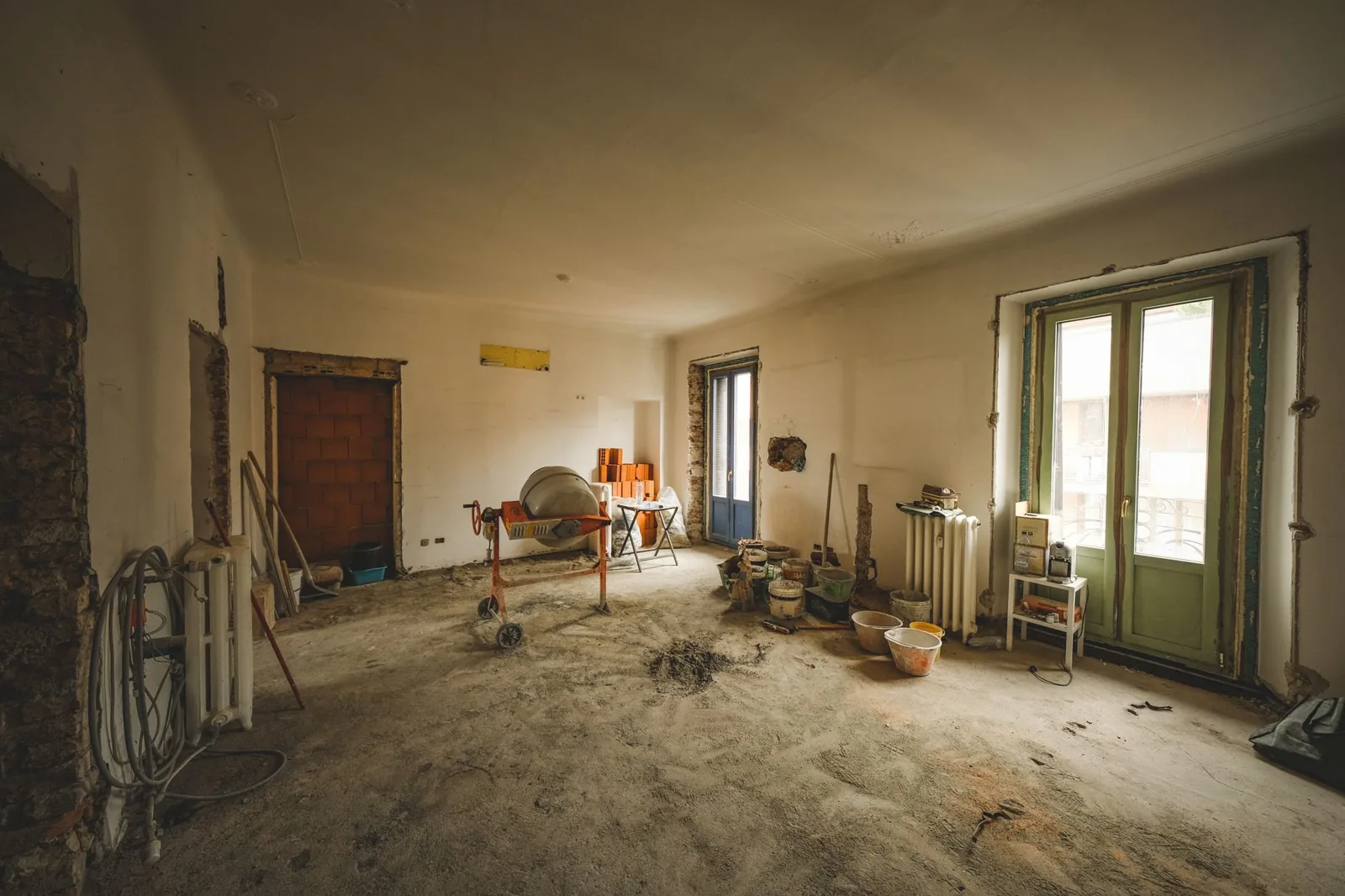
Photo by Francesco Ungaro via Pexels
What Determines Your Basement Remodel Cost
No two basements cost the same to finish, and the gap between a $12,000 job and a $70,000 job comes down to a handful of variables.
Square footage. Cost scales with area, but not perfectly linearly. A 400-square-foot basement has proportionally more corners, plumbing runs, and waste than a 1,200-square-foot one, so smaller spaces often cost more per square foot.
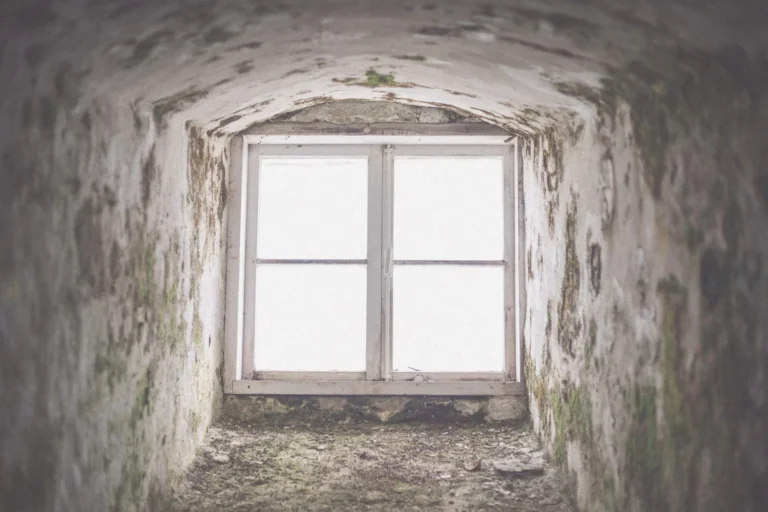
Condition of the space. A dry, code-clear basement with 8-foot ceilings is cheap to finish. A damp one with a 6-foot crawlspace-height ceiling, a cracked slab, and no egress window is a different project entirely — often $10,000 to $20,000 more before a single finish surface goes in.
Plumbing and bathrooms. Adding a bathroom means cutting into the concrete slab to run drains, and that single decision can add $15,000 to $25,000 on its own. If the home was built with a bathroom rough-in already stubbed up through the floor, you save most of that.
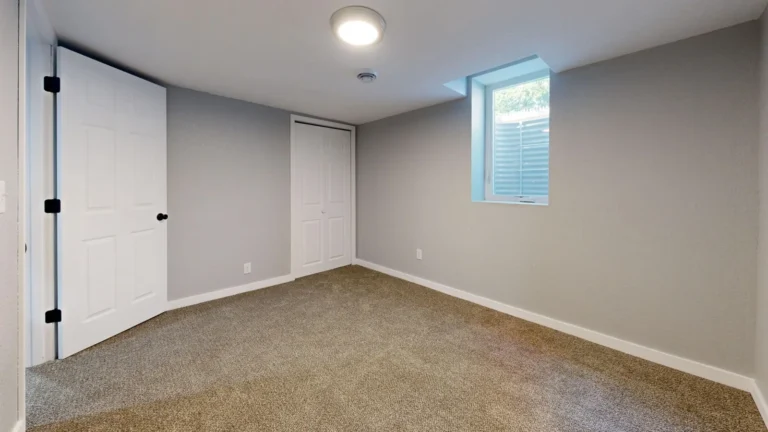
Ceiling height and egress. Most codes require a legal bedroom to have an egress window or door. Digging and framing an egress window well runs $2,500 to $5,500 per opening, plus the window itself.
Finish level. Builder-grade materials (stock carpet, MDF trim, hollow-core doors) cost a fraction of hardwood, stone counters, and custom built-ins.
Basement Remodel Cost per Square Foot
As a planning rule, budget these 2025 ranges for a basic-to-mid-grade finish:
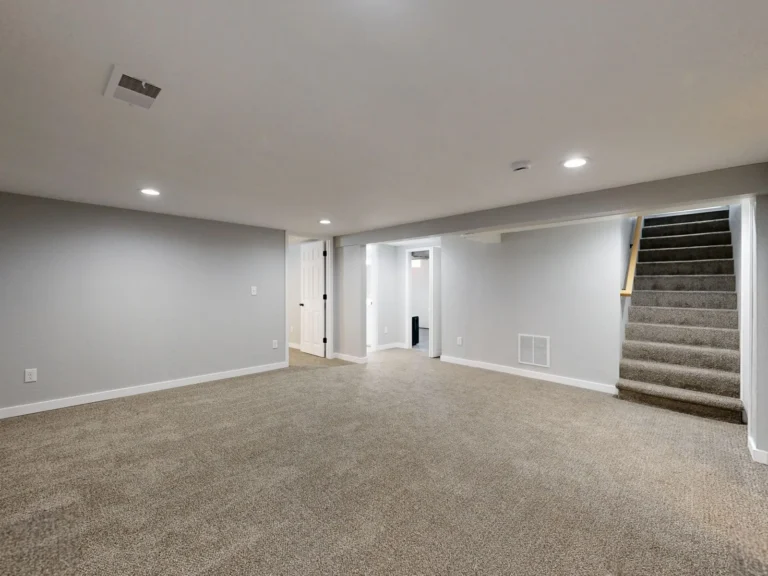
- Basic finish (open plan): $15 to $35 per square foot. Drywall, paint, vinyl plank or carpet, drop ceiling, basic lighting, minimal electrical.
- Mid-range finish (bedroom + bath): $35 to $65 per square foot. Framed rooms, full bathroom, insulation, recessed lighting, egress window.
- High-end finish (wet bar, kitchen, home theater): $65 to $110 per square foot. Custom cabinetry, hardwood, tile, soundproofing, upgraded HVAC.
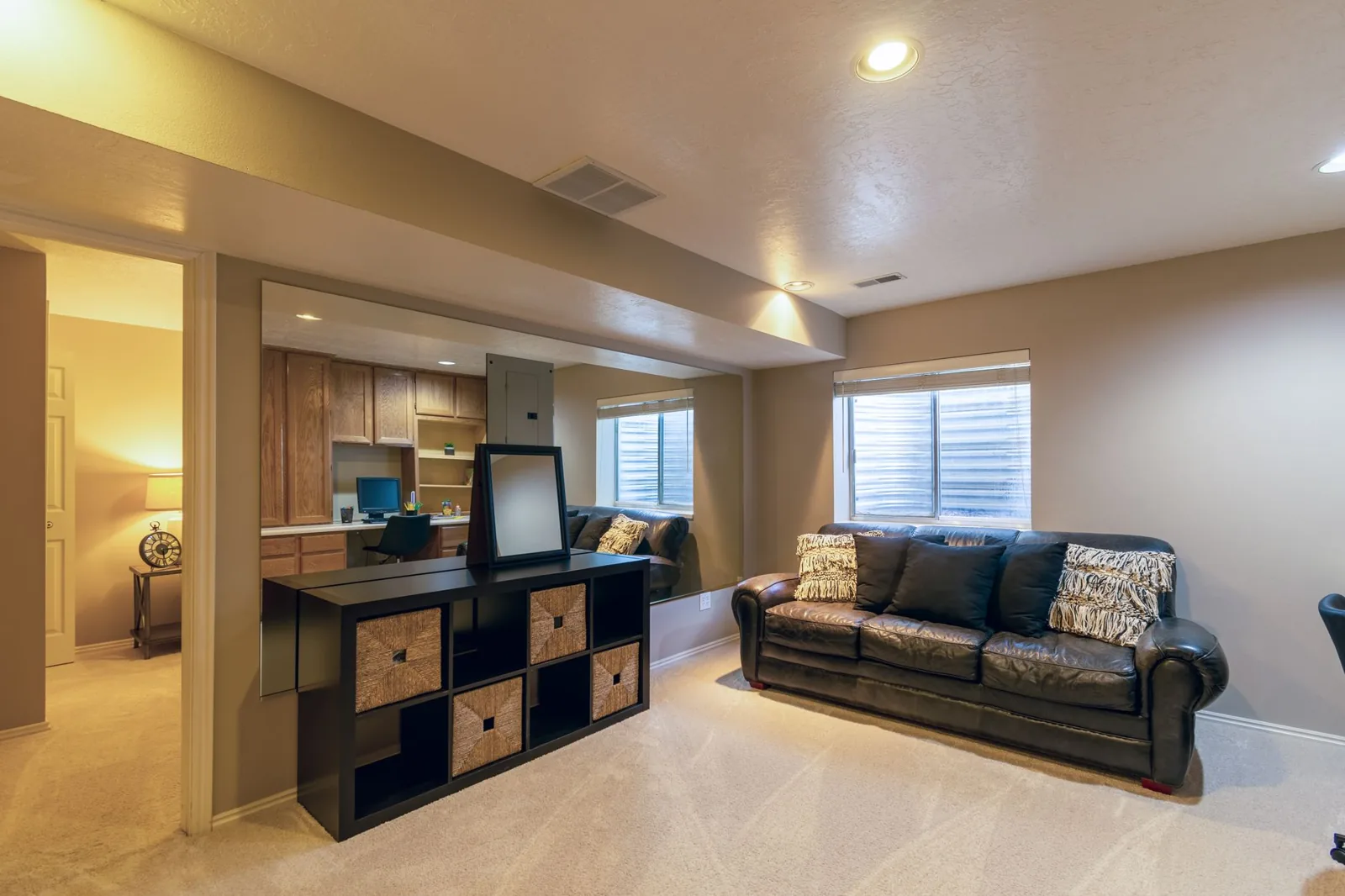
Photo by Get Lost Mike via Pexels
Here is a quick comparison of the three most common scopes:
| Feature | Basic Finish | Bedroom + Bath | High-End Remodel |
|---|---|---|---|
| Cost per sq ft | $15–$35 | $35–$65 | $65–$110 |
| Typical total (900 sq ft) | $13,500–$31,500 | $31,500–$58,500 | $58,500–$99,000 |
| Includes bathroom | No | Yes | Yes |
| Egress window | Maybe | Yes | Yes |
| Return on investment | ~70% | ~70–75% | 50–70% |
If your goal is purely resale value, the mid-range scope usually wins. If you plan to live in the space daily, spend on the things that touch you every day — lighting, ceiling height, flooring, and temperature control — before spending on marble.
Budget Breakdown: Where the Money Goes
Most of a basement remodel budget is labor, not materials. Here’s how a typical $32,000 project breaks down across trades:
- Framing and drywall: $4,000–$8,000
- Electrical (outlets, lights, panels): $2,500–$5,000
- Plumbing (bathroom rough-in, fixtures): $5,000–$20,000
- Insulation (walls, rim joists): $1,500–$4,000
- Flooring (vinyl plank or carpet, ~900 sq ft): $2,700–$6,000
- Ceiling (drywall vs. drop): $1,800–$4,500
- Paint and trim: $1,500–$3,500
- Permits and inspections: $500–$2,000
Insulation and waterproofing are the two line items most DIY-minded homeowners skip, and the two that cause the most regret. A basement that wasn’t properly sealed before drywall went up will hide moisture problems for years before they show up as mold, must, or warped baseboards. If you’re at all unsure about water, read up on basement waterproofing costs before you close up any walls.
Where You Can (and Can’t) Cut Corners
Some savings are smart. Others cost more than they save.
Safe places to save:
- Do the demo and cleanup yourself. Tearing out old paneling and hauling debris saves $1,000–$2,500 in labor.
- Paint yourself. A basement with fresh drywall is an easy two-weekend DIY paint job.
- Use a drop ceiling instead of drywall. It saves $1,500–$2,500 and keeps plumbing and wiring accessible.
- Choose vinyl plank over hardwood. It handles moisture better and costs a third as much.
Places not to cut:
- Waterproofing. Never drywall over a damp wall. Fix the moisture source first.
- Egress and fire-safety code. Unpermitted sleeping space is a liability, not a feature.
- Electrical and plumbing permits. Unpermitted work can stall a sale and void insurance.
- Insulation. Skipping rim-joist and wall insulation leaves the space cold and humid. See spray foam insulation costs for what proper sealing runs.
If you’re renovating an already-finished basement rather than starting from bare concrete, compare your job against the lower figures in our basement finishing cost breakdown.
Hidden Costs Most Estimates Leave Out
The quote on paper is rarely the number on the final invoice. Three line items catch first-time remodelers off guard, and they’re predictable enough to budget for up front.
Moisture remediation. If the inspector or contractor finds a damp wall, efflorescence on the concrete, or a musty smell, add $3,000 to $15,000 for interior drainage, a sump pump, or exterior waterproofing. This is the most common surprise, and it’s non-negotiable — drywall installed over a wet wall fails within a year or two.
Code upgrades. Once the wall is open, many municipalities require you to bring older work up to current code — arc-fault breakers, hardwired smoke/CO detectors, and minimum ceiling heights. Line items like these add $1,000 to $3,000 to a project that looked simple on paper.
Stair and access changes. A steep or winding basement stair that no longer meets code, or a bulkhead door you want widened for moving furniture, tacks on $1,500 to $6,000 depending on how much framing and concrete is involved.
The fix is simple: ask every contractor for a line-item estimate, not a lump sum, and ask specifically what’s not included. The cheapest bid usually omits the most.
DIY vs. Hiring a Contractor
A fully DIY basement finish can cut the labor bill — which is often 50–60% of the total — but it trades money for months of evenings and weekends. Painting, flooring, trim, and even framing are within reach of a handy homeowner. Electrical, plumbing, HVAC, and anything touching the foundation are not, both for safety and because most municipalities require licensed contractors for those permits.
A realistic middle path: hire out the slab cutting, plumbing, electrical, and drywall, and do the finish surfaces yourself. That typically lands the total around $18,000–$25,000 for a mid-range finish instead of $31,500–$58,500.
When to hire a general contractor: the project needs structural changes, a bathroom is being added, or you want it done in 8–10 weeks rather than 8–10 months.
When to DIY: a dry, code-clear space, no plumbing, and no egress work. Even then, budget for an electrician to pull permits and sign off on the panel.
Frequently Asked Questions
How much does it cost to finish a 1,000-square-foot basement?
At $30 to $65 per square foot for a mid-range finish, expect $30,000 to $65,000 all-in. A basic open-plan finish runs $15,000 to $35,000.
Does finishing a basement add value to my home?
Yes, but not dollar-for-dollar. A finished basement typically recoups 50% to 75% of its cost at resale, according to remodeling cost-versus-value data from Angi and This Old House. It’s a better deal for usable living space than it is for pure return on investment.
Is a basement remodel cheaper than an addition?
Almost always. Because the foundation, roof, and exterior are already paid for, finishing a basement costs roughly half to a third as much per square foot as building a comparable above-ground addition.
Do I need a permit to remodel my basement?
Yes, in nearly every jurisdiction, if you’re adding walls, running electrical, or adding a bedroom or bathroom. Egress requirements for bedrooms are strict. Check with your local building department before starting.
How long does a basement remodel take?
A straight finish by a contractor takes 4 to 8 weeks. Adding a bathroom, egress windows, or waterproofing pushes it to 8 to 14 weeks. DIY timelines run months longer.
The Bottom Line
A basement remodel is one of the best-value projects in home improvement — not because it’s cheap, but because you’re buying finished square footage at a deep discount to an addition. The real basement remodel cost depends on the condition of your space and how far you take the finish: roughly $15 to $35 per square foot for a basic finish, $35 to $65 for a bedroom-and-bath, and $65 to $110 for a high-end build-out.
Before you commit, get three contractor quotes, confirm your ceiling height and moisture situation, and decide early whether a bathroom is in the plan — it’s the single biggest cost driver. For design inspiration once the budget is set, browse our finished basement ideas roundup, and nail down the per-square-foot numbers in our basement finishing cost per square foot guide.