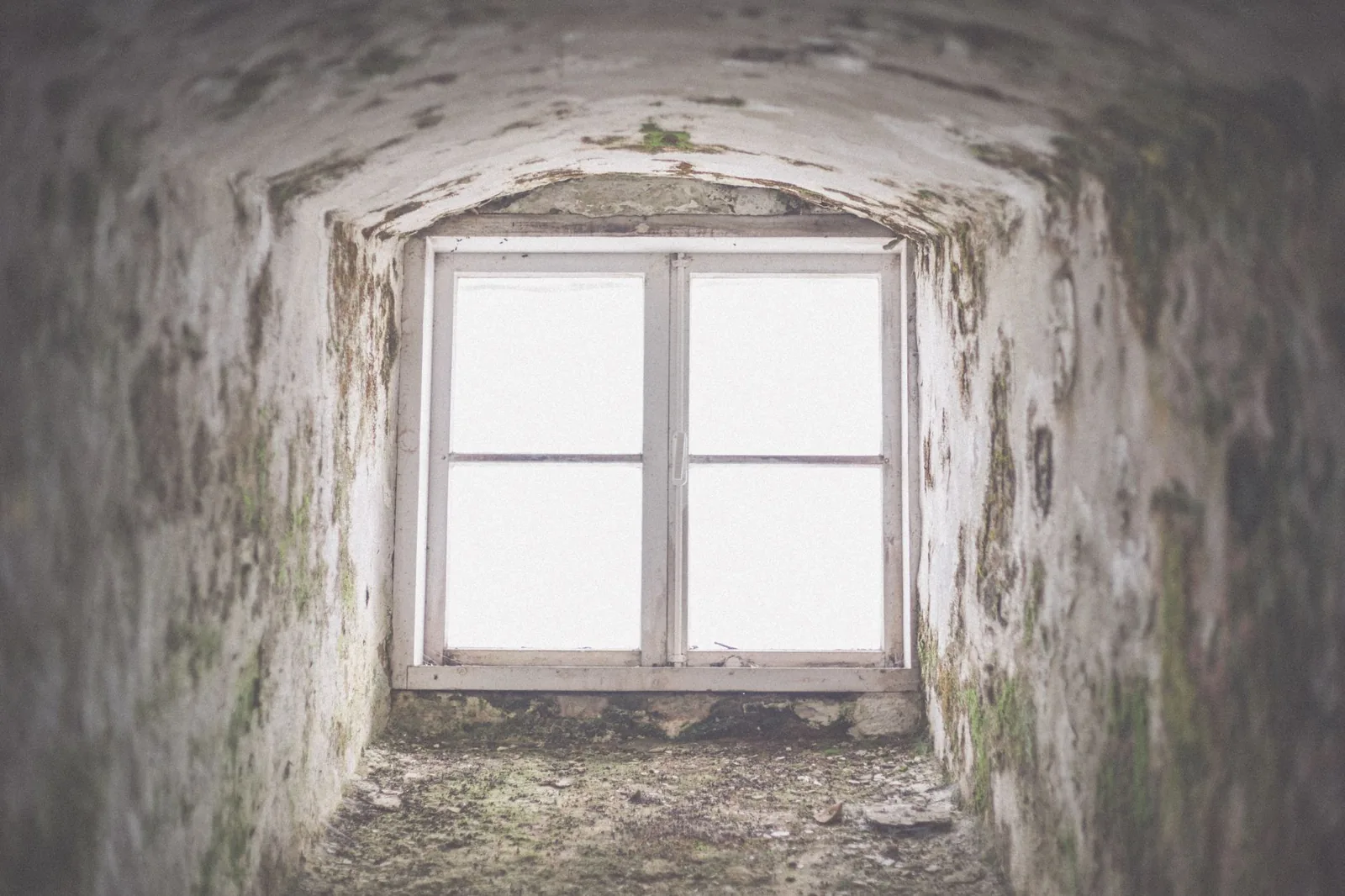
Egress Window Cost: What You’ll Actually Pay in 2025
Egress window cost is easy to misread if you only look at the sticker on the window itself, because the unit is the cheap part of the job. A code-compliant casement or slider runs roughly $150 to $800 at a big-box store. The $2,500 to $6,000 most homeowners actually pay is almost entirely labor: cutting a new opening in the foundation, digging the escape well, and tying a drain into the footing so the hole you just made doesn’t flood your basement.
The reason this window exists at all is not style — it’s safety and law. Building code requires a minimum-sized escape route in any basement bedroom, and if you’re finishing a basement to add that bedroom, an egress window is a non-negotiable cost. This guide breaks down what you’ll pay at every stage, why the concrete work is so expensive, and where you can trim the bill without cutting corners that an inspector — or a fire — will punish you for later.
What Is an Egress Window, and Why Does Code Require One?
An egress window is a window sized and positioned so an adult can climb through it in an emergency. The International Residential Code (IRC) sets the minimums: a net clear opening of at least 5.7 square feet (5.0 square feet for grade-floor openings), a clear width of at least 20 inches, a clear height of at least 24 inches, and a sill no more than 44 inches above the finished floor. Those numbers exist so a person in a smoke-filled room can get out fast — and so a firefighter with an air tank can get in.
The requirement kicks in for “sleeping rooms.” Finish a basement rec room with no bed and no egress, and you may not need one. Add a bedroom, a guest suite, or any space someone sleeps in, and the code requires a compliant egress window (or a code-approved egress door) in that room. This is also why real estate listings only count below-grade rooms as legal bedrooms when they have proper egress — and why a basement finished without it can lower an appraisal and, in some jurisdictions, a certificate of occupancy.
How Much Does an Egress Window Cost?
Most jobs land between $2,500 and $5,500 installed, with a typical national range of $1,500 on the low end for a simple window-well replacement and $8,000 or more for a deep excavation through a poured-concrete wall. The window unit is only 10% to 20% of that. Here’s how the two routes split.
| Factor | DIY Window Replacement | Professional Full Install |
|---|---|---|
| Typical cost | $500–$1,500 | $2,500–$6,000+ |
| Scope | Swap unit into existing opening | Cut new opening, dig well, add drain |
| Time | 1–2 days | 1–3 days with a crew |
| Permits & inspection | Usually skipped (a risk) | Pulled and scheduled by contractor |
| Code compliance | Your responsibility | Written into the contract |
The full install breaks into predictable line items. The window unit itself is $150 to $800 for a stock casement or slider from brands like Andersen, Jeld-Wen, or Milgard. Cutting the opening in a poured-concrete or concrete-block foundation runs $800 to $2,500, the single largest labor line because it requires a concrete saw, a skilled crew, and careful shoring. The window well — the corrugated steel or concrete retaining structure that holds back the earth outside a below-grade window — costs $500 to $2,000 installed depending on depth and material. Add a gravel bed and a drain tied to the footing ($300 to $900), backfill and grading, interior framing and trim, and a permit of $50 to $300, and the total climbs quickly.

Photo by Vitaly Gariev via Pexels
If the basement is part of a larger finishing project, see our breakdown of basement finishing cost and how the per-square-foot math changes at basement finishing cost per square foot.
What Drives the Price of an Egress Window
Four factors account for most of the spread between a $1,500 job and an $8,000 one.
Foundation Type
Poured concrete is the most common foundation in newer homes and the most labor-intensive to cut. It’s dense and reinforced, so a contractor has to saw a full rectangle, break out the plug, and haul it away. Concrete block is usually faster and cheaper to open because blocks can be removed and re-laid around a steel lintel. Stone or rubble foundations, common in older homes, are the wild card — they crack unpredictably, and contractors often add 20% to 40% to the quote to cover the risk.
Window Well Depth and Soil
A window at or near grade needs a shallow well or no well at all. A deep basement window — eight feet below grade against a slope of clay soil — needs a tall, heavy well plus reinforcement to keep the earth from pushing it inward. Rocky soil adds excavation cost; sandy soil usually digs fast but drains poorly without a proper drain line.
Drainage Requirements
An egress window is a hole in your foundation below ground level, and a poorly drained one becomes a permanent leak. The drain and gravel bed under the well aren’t optional upgrades; they’re the difference between a dry bedroom and a damp one. Expect $300 to $900 for a proper drain tied to the footing or a sump pit, sometimes more if the lot drains poorly.
Permits and Inspections
Most jurisdictions treat an egress window as structural work, requiring a permit and usually a final inspection verifying the opening meets the 5.7-square-foot and sill-height rules. The permit itself is cheap, typically $50 to $300, but the inspection is mandatory if you ever want the room counted as a legal bedroom on a resale.
Egress Window Types and What They Cost
The window style affects both price and how well it satisfies the opening-size rules.
- Casement (crank-out): $200–$700 per unit. A single hinged sash that swings fully open, so it maximizes clear opening for its frame size. The most popular egress choice.
- Horizontal slider: $250–$800 per unit. Slides side to side; the clear opening is half the frame width at best, so it must be built wide to pass code.
- Double-hung: $300–$900 per unit. Two sliding sashes. Code-compliant only when the frame is sized so the open sash clears the 24-inch height and 5.7-square-foot minimum.
- Awning: $350–$1,000 per unit. Hinged at the top, opens outward from the bottom. Meets egress only if overall dimensions are large, which makes it pricier for the required opening.
- Prefabricated egress systems: $800–$3,000+. Complete window-and-well kits from makers like Rockwell, Bilco, and Wellcraft that arrive as one engineered unit. Higher material cost, but they simplify the well and drain design.
Photo by Teju via Pexels
DIY vs. Hiring a Professional
Replacing a window inside an existing egress opening is a realistic DIY job for a competent homeowner and cuts $500 to $1,500 off the bill. Cutting a new opening in a poured-concrete foundation is not — it involves a concrete saw, shoring the wall while it’s open, excavating with real slope control, and getting the drain fall right, all under a permit. Get that part wrong and you’re looking at a cracked foundation or a basement that floods every spring.
Most homeowners should hire a licensed basement or foundation contractor for any job that creates a new opening, and consider a general contractor or an exterior remodeler if the egress is one piece of a larger basement finish. Always get three written quotes, and confirm in writing that the price includes the permit, the inspection, and tying the well drain to the footing or sump — those are the line items low-bid quotes quietly leave out.
How to Save on Egress Window Cost
You can trim real money without cutting corners that matter to code.
- Time it with other basement work. If a crew is already excavating for waterproofing or a walk-out, adding the egress opening shares mobilization and equipment cost. See our guide to basement waterproofing cost to line the projects up.
- Swap the window, not the opening. If an existing below-grade window just needs enlarging, a new compliant unit costs a fraction of cutting fresh concrete.
- Choose the cheapest path to code. A wide slider typically costs less than an oversized awning to meet the same opening minimum.
- Buy a prefab system. A Rockwell, Bilco, or Wellcraft kit costs more up front than a bare window but can cut the well-drain labor enough to net out even.
- Insulate the room you’re adding. A legal bedroom still needs to be comfortable. Our guide to attic insulation types covers the insulation side, and finished basement ideas shows how to make the whole space worth the investment.
Frequently Asked Questions
How much does an egress window cost on average?
Most homeowners pay $2,500 to $5,500 for a complete installed egress window, including the unit, concrete cutting, the well, drainage, and the permit. Simple replacements fall near $1,500, and deep or difficult excavations can top $8,000.
Do you need an egress window in a basement you’re finishing?
Only if the finished space includes a sleeping room. A basement bedroom, guest room, or any room used for sleeping must have a compliant egress window (or an egress door). A rec room, home gym, or storage area with no bed does not trigger the requirement.
What size window qualifies as egress?
The opening must be at least 5.7 square feet of net clear opening, at least 20 inches wide and 24 inches tall, with the sill no more than 44 inches above the finished floor. Grade-floor openings can meet a slightly lower 5.0-square-foot minimum.
Is a window well required with an egress window?
Only when the window is below ground level. A window near grade can open straight to the yard, but a below-grade window needs a well deep enough to hold back the earth and a drain to carry water away.
Can I install an egress window myself?
Replacing a window in an existing opening is a practical DIY job. Cutting a new opening in a foundation, digging the well, and running the drain is structural work that needs a permit and is usually better left to a licensed contractor.
If you’re finishing the space, see our basement finishing cost guide and our basement remodel cost breakdown.
The Bottom Line
Egress window cost is really the cost of doing a basement bedroom the legal and safe way. Budget $2,500 to $5,500 for a professional install, understand that the window unit is the smallest line item on the invoice, and never let a contractor cut the well drain to save money — it’s the cheapest insurance you’ll buy against a flooded basement. Whether you’re adding one legal bedroom or finishing the whole level, plan the window first, then build the room around it. Start with our basement remodel cost guide to see where this job fits into the bigger picture.
Sources: This Old House on egress window requirements and Bob Vila on the cost to install egress windows.