Blown In Insulation Cost: What Homeowners Pay in 2026
Blown in insulation cost typically runs between $1.00 and $2.80 per square foot installed, with most homeowners paying around $1,500 to $2,800 to insulate an average attic. The total depends on the material you choose, the R-value you need, and whether you rent a machine and do it yourself or hire a pro.
Blown-in insulation—also called loose-fill—is the go-to choice for attics, hard-to-reach wall cavities, and older homes with settled or missing insulation. It fills gaps and odd corners that batt insulation can’t, which is why it delivers better coverage per dollar in most retrofit jobs.
In this guide, I’ll break down the real numbers: material prices, labor, DIY versus pro, and the factors that move your final bill up or down.
How Much Does Blown-In Insulation Cost Per Square Foot?
Blown in insulation cost breaks into two parts: the material itself and the labor to install it. Here’s what contractors actually charge.
- Fiberglass loose-fill: $0.50–$1.20 per square foot installed
- Cellulose loose-fill: $0.60–$1.80 per square foot installed
- Mineral wool (rock wool) loose-fill: $1.40–$2.80 per square foot installed
- Spray foam (open-cell, for comparison): $1.50–$3.50 per square foot installed
For a typical 1,000-square-foot attic insulated to R-38, expect a materials-only bill of $500 to $1,200 for fiberglass or cellulose, and a full turnkey installation of $1,000 to $2,200. Attics are the cheapest space to insulate because the loose fill is simply blown across an open floor; walls and closed cavities cost more because installers must drill and patch.
Blown-In Insulation Material Costs by Type
The material is the single biggest cost variable. Here’s a side-by-side comparison of the three most common loose-fill options.
| Feature | Fiberglass | Cellulose | Mineral Wool |
|---|---|---|---|
| Cost per sq ft (installed) | $0.50–$1.20 | $0.60–$1.80 | $1.40–$2.80 |
| R-value per inch | 2.2–2.7 | 3.2–3.8 | 3.0–3.3 |
| Moisture resistance | High | Moderate (treated) | High |
| Settling over time | Low | Moderate | Low |
| Best for | Attics on a budget | Cold climates, air-sealing | Fire resistance, soundproofing |
Fiberglass is the budget pick. Cellulose—recycled newspaper treated with borate—costs a little more but insulates better per inch and does a decent job of slowing air leaks. Mineral wool is the premium option: it won’t burn, resists water, and adds noticeable soundproofing, which makes it popular for interior walls and finished basement spaces.
What Affects the Total Blown In Insulation Cost?
Several factors push your final price well above or below the averages. Knowing them upfront keeps you from being surprised by the estimate.
- Square footage: More area means more material and more labor, though the price per square foot usually drops slightly on larger jobs.
- Target R-value: Going from R-30 to R-60 in a cold attic nearly doubles the material. The U.S. Department of Energy recommends R-49 to R-60 for most attics in cold zones.
- Access and prep work: Tight attics, knee walls, and any air-sealing or old-insulation removal add hours of labor.
- Wall cavities vs. open attics: Dense-packing closed walls requires drilling holes in drywall and patching afterward—typically $1.50 to $3.00 extra per square foot.
- Your region: Labor rates in the Northeast and West Coast run 20–30% higher than in the South and Midwest.
- Existing insulation: If old, damp, or pest-damaged insulation has to be removed first, budget another $1 to $2 per square foot for removal and disposal.
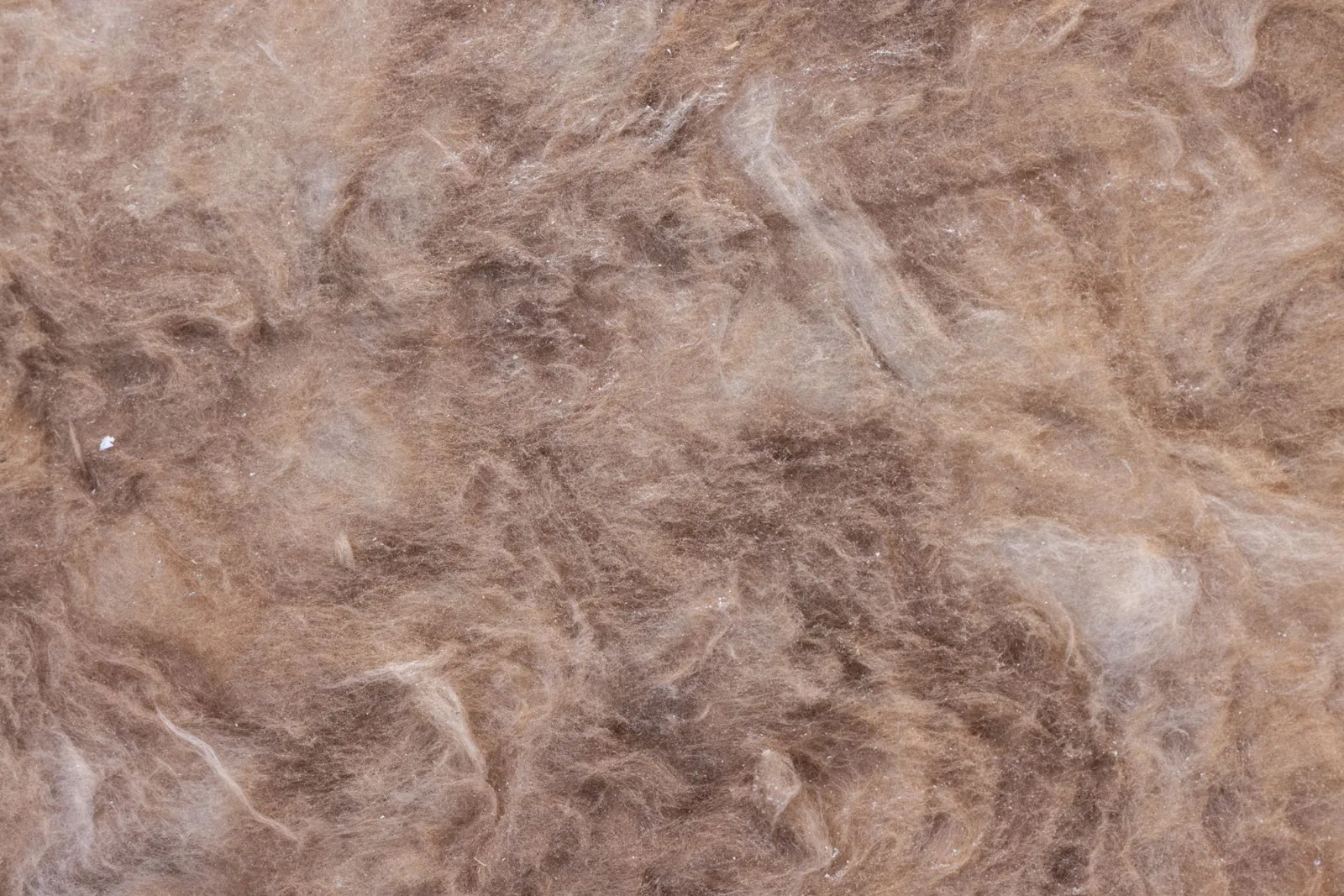
Photo by Engin Akyurt via Pexels
DIY vs. Professional Installation
Blowing in insulation is one of the few home-improvement jobs a capable DIYer can realistically tackle, mostly because the machine does the hard work. The trade-off is between a lower upfront price and a finished result that actually hits the R-value you paid for.
Doing It Yourself
If you buy the material and rent a blower, DIY blown in insulation cost drops to roughly $0.40 to $1.00 per square foot for fiberglass or cellulose.
- Blower rental: $50–$100 per day at most home centers (often free with a large material purchase)
- Materials for a 1,000 sq ft attic (R-38): $500–$1,000
- Safety gear and simple tools: $50–$100
The catch is quality. Inconsistent depth, missed corners, and compacted “fluff” all lower the effective R-value, which quietly raises your heating and cooling bills for years. Two people are almost always required—one feeding the hopper, one directing the hose.
Hiring a Contractor
Professional installation adds $0.50 to $1.50 per square foot in labor, so a 1,000-square-foot attic lands between $1,000 and $2,200 all-in. For that, you get an even depth, proper vent baffles, and air-sealing around penetrations, which is where most of the energy savings actually come from. Most pros will also blow at a slightly higher density to compensate for settling.
For a full picture of what a finished lower level adds to the job, see our basement finishing cost per square foot breakdown.
Blown-In vs. Other Insulation Types
Blown-in isn’t the only way to insulate. Here’s how it stacks up against the two alternatives homeowners most often weigh it against.
| Insulation Type | Installed Cost / sq ft | Best Use |
|---|---|---|
| Blown-in (fiberglass/cellulose) | $0.50–$1.80 | Attics, retrofit walls |
| Batt / roll | $0.80–$1.50 | New construction, open stud bays |
| Spray foam | $1.50–$3.50 | Air-sealing, rim joists, tight cavities |
Batts cost about the same per square foot but leave gaps around wires, pipes, and framing—tiny air leaks that add up to real heat loss. Spray foam seals better than anything, but it costs two to three times as much and usually requires a pro. For most retrofit and attic jobs, blown-in is the value sweet spot. If you’re deciding between materials for an attic specifically, our attic insulation types guide walks through the options in detail.
Photo by Artem Podrez via Pexels
How Much You’ll Save on Energy Bills
The payback is why blown-in insulation is worth the upfront cost. According to the U.S. Department of Energy, air sealing plus proper insulation can cut heating and cooling costs by up to 15% on average, and more in older, under-insulated homes.
- Attic insulation to R-60: Saves roughly $200–$600 per year in a typical single-family home
- Dense-packed walls: Save $100–$300 per year by stopping drafts
- Typical payback period: 3 to 7 years for a professional job, 1 to 3 years for DIY
Many utilities offer rebates of $0.15 to $0.50 per square foot for added attic insulation, and the federal energy.gov insulation guidance points to additional tax credits of up to $1,200 per year for qualifying insulation projects. Check your state and local utility programs before you buy—rebates can shave 20–40% off the net cost.
Frequently Asked Questions
How much does blown-in insulation cost for 1,000 square feet?
For a 1,000-square-foot attic at R-38, expect to pay $1,000 to $2,200 for professional installation, or $500 to $1,000 if you buy the material and blow it in yourself. Walls and hard-to-reach cavities run higher.
Is blown-in insulation cheaper than spray foam?
Yes. Blown-in fiberglass or cellulose runs $0.50 to $1.80 per square foot installed, while spray foam costs $1.50 to $3.50 per square foot. Spray foam insulates and air-seals better per inch, but blown-in is the better value for most attics and open spaces.
How long does blown-in insulation last?
Fiberglass loose-fill lasts 50 to 80 years, and cellulose typically 20 to 30 years before it settles enough to need topping off. Moisture is the main enemy—either material should be replaced if it gets soaked, which is why attic ventilation and basement waterproofing matter for the spaces below and around it.
Does blown-in insulation settle?
Cellulose settles 10–20% over its life, which is why pros blow it slightly deeper than the target depth. Fiberglass settles very little. Either way, an occasional depth check and top-up is a cheap way to keep your R-value where it should be.
Can I install blown-in insulation myself?
Yes, and it’s one of the more approachable DIY insulation projects. Rent a blower, wear a respirator and goggles, and work with a partner. Just be meticulous about even depth and air-sealing—most of the energy savings come from getting those details right.
The Bottom Line
Blown in insulation cost is one of the best values in home improvement: $1.00 to $2.80 per square foot installed, with an average attic job landing around $1,500 to $2,800. It fills gaps batts can’t, insulates well per dollar, and pays for itself through lower energy bills within a few years—sooner if you do the work yourself. Match the material to the space, mind the R-value your climate calls for, and take the time to air-seal first; the insulation is only as effective as the barrier around it.
Get quotes from at least three local insulation contractors and ask each to specify the material, the target R-value, and whether air-sealing is included. A cheap bid that skips air-sealing is no bargain. For homeowners planning a bigger renovation, our basement remodel cost guide covers what to budget for the rest of the project.