Attic Finishing Cost: What You’ll Pay to Turn an Attic Into Living Space
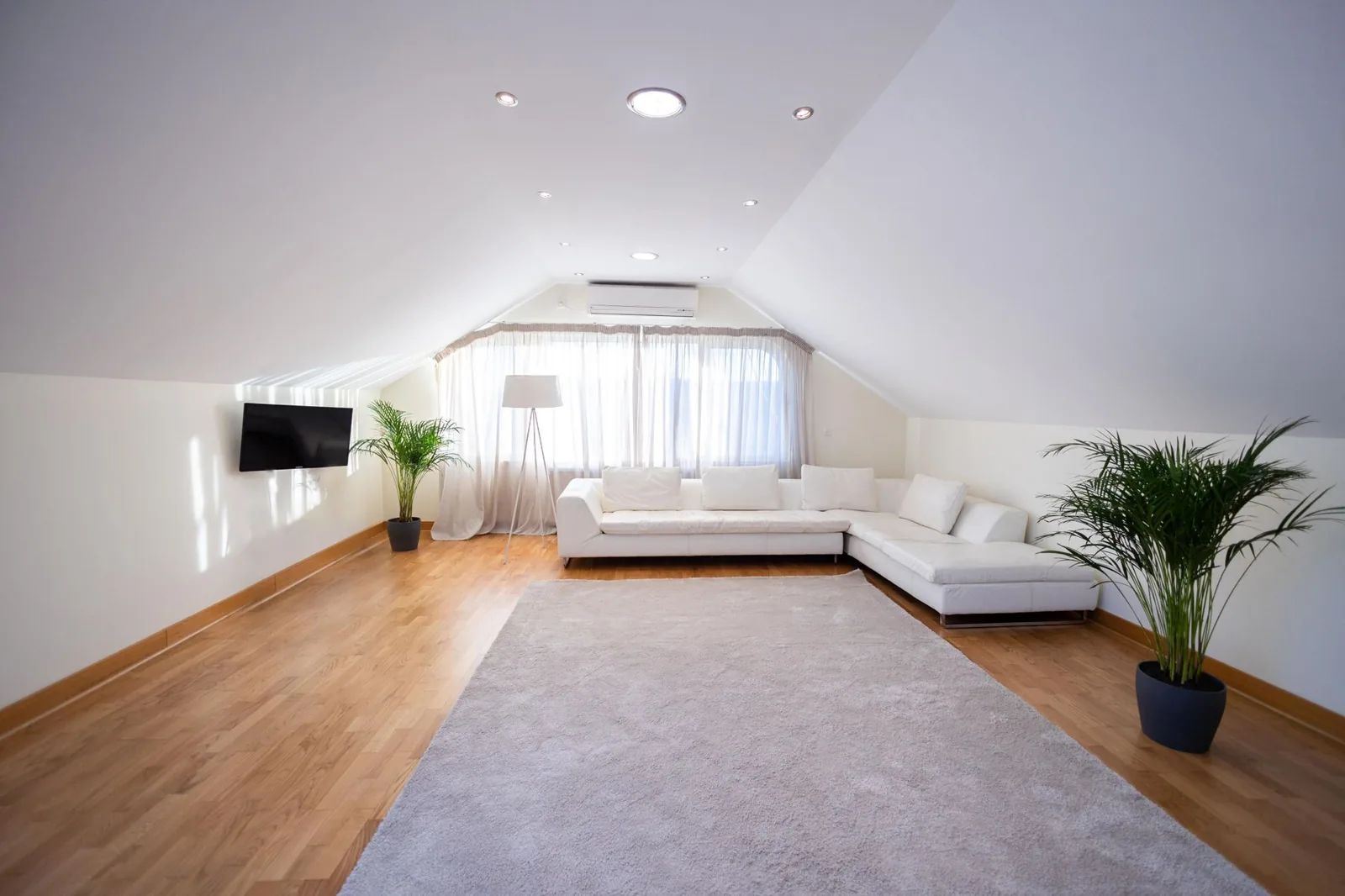
If you’re running out of room but don’t want the expense or hassle of a full addition, finishing the attic is one of the smartest ways to add square footage. The attic finishing cost lands between $30 and $60 per square foot for most homes, with a national average around $45 per square foot. That means a typical 500-square-foot attic conversion runs roughly $15,000 to $30,000, depending on where you live and how finished you want the space to be.
The good news is that this is usually cheaper than building out or up, and it turns dead storage space into a bedroom, office, playroom, or rental unit that adds real value at resale. The catch is that attics come with their own set of structural and code requirements that can quietly push the bill higher.
This guide walks through what the attic finishing cost actually includes, where the money goes, and how to budget for a finished attic without surprises.
How Much Does Attic Finishing Cost?
Expect to pay between $25 and $65 per square foot to finish an attic, depending on the condition of the space and the quality of finishes you choose. On a total-project basis, most homeowners spend $10,000 to $50,000, with a typical finished attic of 400 to 600 square feet landing in the $18,000 to $35,000 range.
Here’s a quick reference for what you can expect at different levels of finish:
| Finish Level | Cost Per Sq Ft | Typical Total (500 sq ft) | What You Get |
|---|---|---|---|
| Basic / storage-to-room | $25–$40 | $12,500–$20,000 | Insulation, drywall, basic flooring, lighting |
| Mid-range / bedroom or office | $40–$55 | $20,000–$27,500 | Closet, dedicated HVAC, better flooring, egress window |
| High-end / luxury suite | $55–$80+ | $27,500–$40,000+ | Bathroom, skylights, custom built-ins, premium finishes |
Location matters as much as finish level. A contractor in the Northeast or on the West Coast will typically charge 20% to 40% more than one in the Midwest or South, purely on labor rates. Permits, materials, and the age of your home all move the number too.
What Affects the Cost to Finish an Attic
Several factors control the attic finishing cost, and some of them are fixed before you even pick a paint color.
Ceiling Height and Roof Structure
Building codes generally require at least 7 feet of clear headroom over at least half the floor area for a room to count as living space. Roofs framed with traditional stick rafters are easier and cheaper to open up than truss-framed roofs, which often can’t be modified without an engineer. If your roof pitch is too shallow, you may be limited to a partial conversion — or a much more expensive one.
Access and Stairs
A finished attic needs a code-compliant staircase, not a pull-down attic ladder. Adding a proper staircase runs $1,500 to $5,000 on its own, and it means giving up floor space on the level below. This is a cost people consistently forget to factor in.
Electrical, Plumbing, and HVAC
Running new wiring, adding outlets, and extending your HVAC system to reach the attic typically costs $3,000 to $10,000 combined. If you want a bathroom in the attic, plumbing can add another $5,000 to $15,000 depending on how far the pipes have to travel.
Insulation and Ventilation
A roof deck gets hotter than any exterior wall, so attic insulation and ventilation matter more here than anywhere else. Depending on your climate and the attic insulation types your project calls for, budget $1,500 to $5,000. Skipping this step to save money is a false economy — it shows up as a sweltering room in summer and an ice-dam risk in winter.
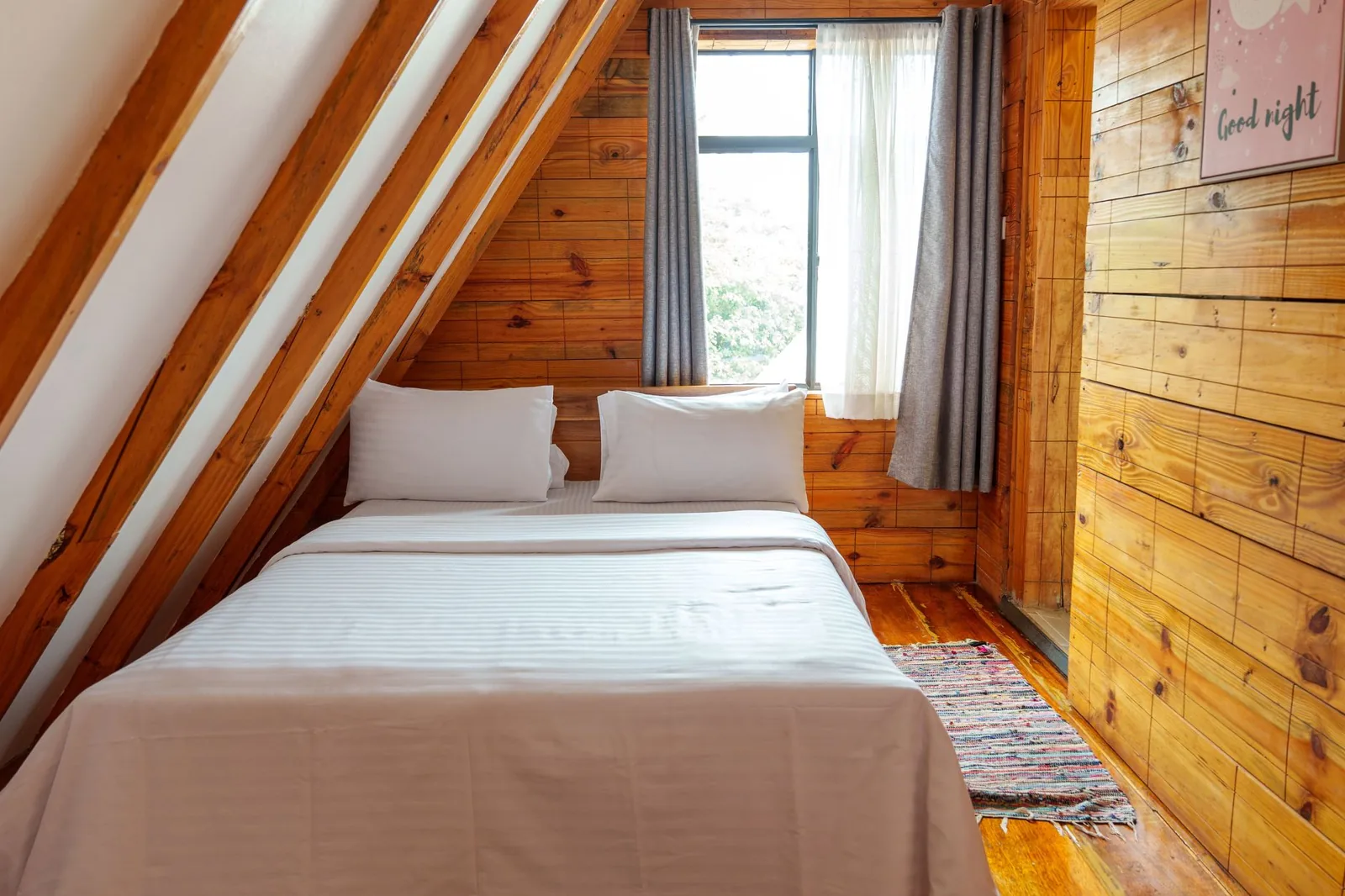
Photo by John Moshi via Pexels
Attic Finishing Cost Breakdown by Component
If you want to see exactly where the money goes, here’s a realistic breakdown for a mid-range 500-square-foot attic conversion totaling around $25,000:
- Framing and structural work: $2,000–$6,000 (reinforcing floor joists, adding dormers or knee walls)
- Stairs: $1,500–$5,000
- Insulation and ventilation: $1,500–$4,000
- Electrical wiring and fixtures: $2,000–$5,000
- HVAC extension or mini-split: $3,000–$7,000
- Drywall and trim: $2,000–$4,000
- Flooring: $2,000–$4,000
- Windows and skylights: $1,500–$6,000 (egress window required for bedrooms)
- Paint and finishes: $1,000–$2,500
- Permits and inspections: $500–$2,000
The biggest swings come from structural work and HVAC. If your floor joists were never designed to carry a room’s worth of furniture, you’ll pay to sister or reinforce them. If your existing furnace can’t handle the extra load, a ductless mini-split system is often the cheapest clean solution.
Finishing an Attic vs. Finishing a Basement
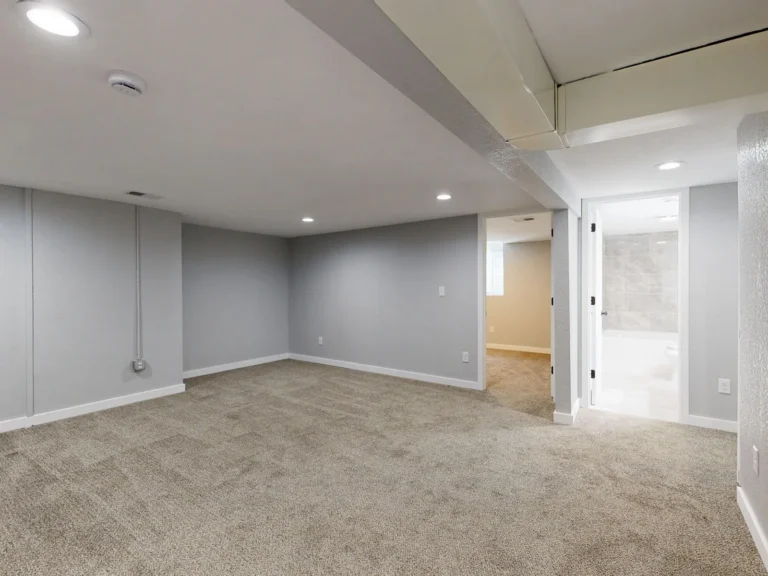
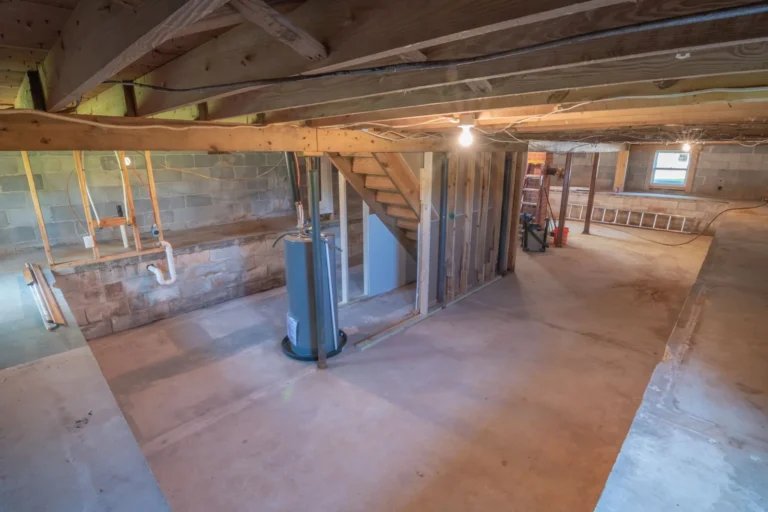
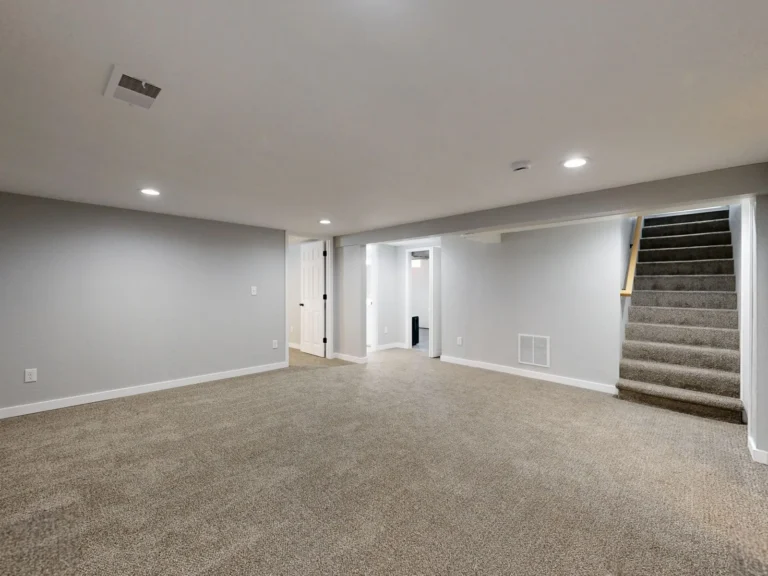
Both projects add usable square footage, but they price out differently. A finished basement usually comes in at $30 to $75 per square foot on the high end when you factor in waterproofing, while attic work trades some of that cost for structural and headroom challenges. If your home has both an unfinished attic and a damp, low basement, the numbers below are worth comparing line by line.
| Feature | Finished Attic | Finished Basement |
|---|---|---|
| Typical cost per sq ft | $30–$60 | $30–$75 |
| Structural risk | Headroom, roof trusses, floor load | Moisture, drainage, egress |
| Natural light | Excellent (skylights, gable windows) | Limited |
| Biggest hidden cost | HVAC extension, new staircase | Waterproofing, sump pump |
| Best use | Bedroom, office, playroom | Media room, gym, rental unit |
For a deeper look at the numbers on the other side of this comparison, start with our guide to basement finishing cost and the per-square-foot breakdown that goes with it.
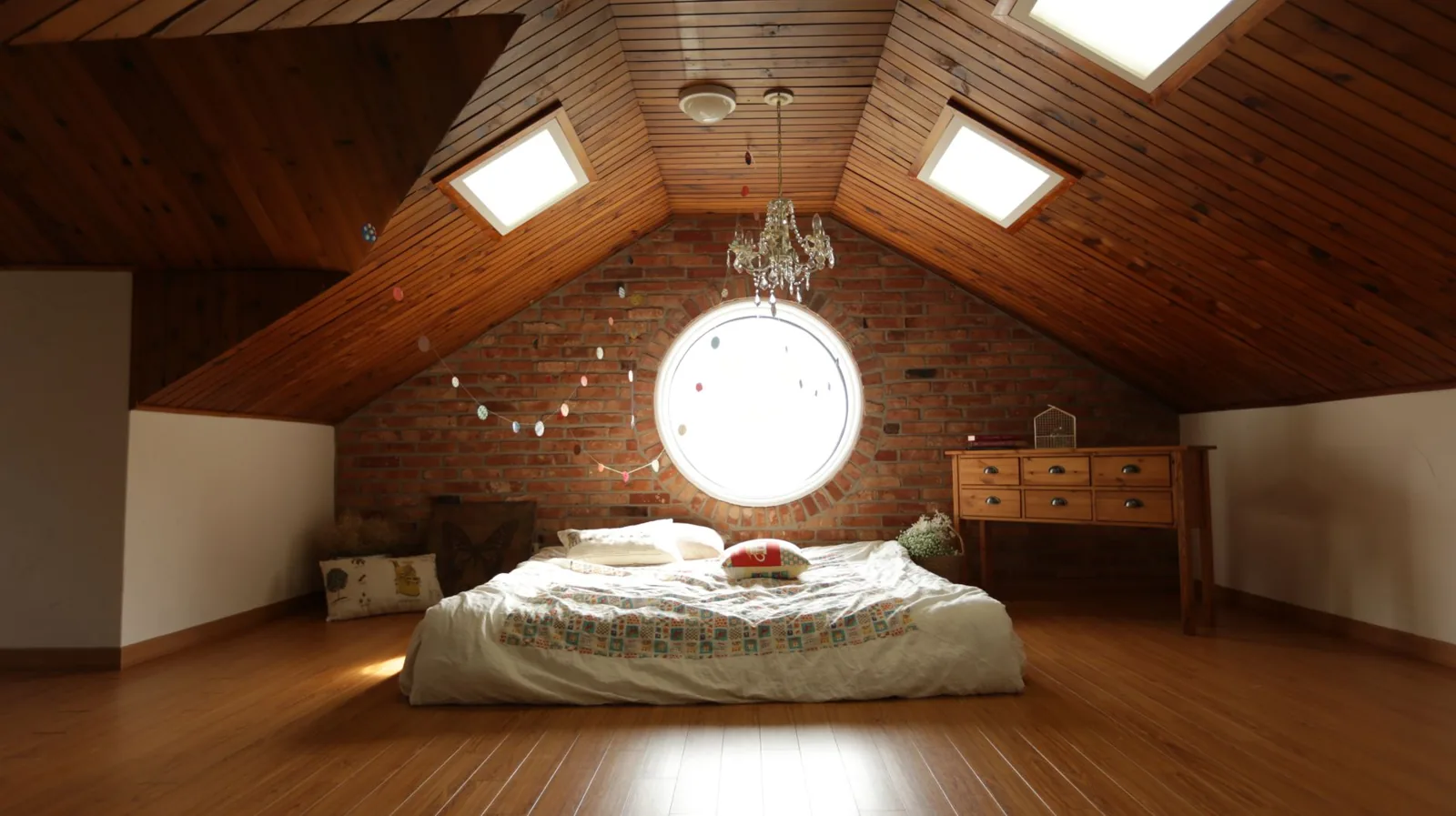
Photo by Pixabay via Pexels
Is Finishing an Attic Worth the Investment?
For most homes, yes. A finished attic typically recoups 55% to 75% of its cost at resale, according to industry remodeling data, and it can be the cheapest way to add a bedroom — which is often the single most valuable upgrade you can make to a listing price.
The return breaks down roughly like this:
- Highest ROI: A finished attic used as a bedroom or home office, with proper egress and climate control, in a market where square footage is scarce.
- Moderate ROI: A bonus room or playroom with basic finishes and no dedicated bathroom.
- Lowest ROI: A partial, non-conforming finish that can’t legally be counted as a bedroom, or one with poor insulation that’s uncomfortable year-round.
If the space can’t meet code for a bedroom, you may still get value from a finished non-conforming room — just don’t expect appraisers or buyers to treat it as a true bedroom. A finished basement conversion is sometimes the better play when headroom is the limiting factor, and a full basement remodel may make more financial sense in walk-out situations.
Building Codes and Permits That Add to the Price
Attic conversions are regulated more heavily than almost any other remodel you can do, and the rules protect you as much as they cost you. Here’s what the inspector will be looking for:
- Egress: Any bedroom must have a window large enough to climb out — typically a minimum 5.7 square feet of clear opening. Adding an egress window or dormer runs $2,000 to $6,000.
- Floor load: Finished floors must support 30 pounds per square foot of live load, which often means reinforcing existing ceiling joists.
- Ceiling height: At least 7 feet over 50% of the floor area, with sloped-ceiling areas counting at partial value.
- Staircase dimensions: A full staircase with proper rise, run, and handrails — not a ladder or spiral in most jurisdictions.
- Smoke and carbon monoxide detection: Interconnected alarms, usually required on every level when you finish a new one.
Permits for an attic finish typically cost $500 to $2,000 depending on the municipality, and pulling them isn’t optional. Unpermitted work can come up in a home inspection and kill a sale later, so build the permit fee into your attic finishing cost from day one.
Frequently Asked Questions
How much does it cost to finish a 500-square-foot attic?
A 500-square-foot attic finish typically costs $15,000 to $30,000, with a national average near $22,500. The spread depends on finish level, structural work, and whether you add plumbing or a dedicated HVAC system.
Does finishing an attic add square footage?
Only if the finished space meets local code for ceiling height, access, and egress. A code-compliant finish counts toward livable square footage and bedroom count; a non-conforming one may not.
Can I finish my attic myself to save money?
You can tackle painting, flooring, and some drywall, but structural, electrical, HVAC, and stair work should be left to licensed pros. DIY can cut the attic finishing cost by 20% to 40%, but pulling your own electrical permits is illegal in many areas.
How long does an attic conversion take?
Most attic finishes take 6 to 12 weeks from demo to final inspection. Projects with a dormer, bathroom, or significant structural reinforcement push toward the longer end.
Is attic insulation included in the finishing cost?
Not always. Some contractors quote the finish assuming the thermal work is already done. Confirm whether insulation and ventilation are in your quote, since they can add $1,500 to $5,000 on their own.
For a full breakdown of build-out costs, This Old House explains how to finish an attic.
The Bottom Line
The attic finishing cost averages $30 to $60 per square foot, and a realistic budget for a comfortable, code-compliant 500-square-foot conversion is $18,000 to $35,000. The price climbs when you add a bathroom, a dormer for extra light, or need to reinforce the floor or extend your HVAC — all common in older homes.
The best way to keep costs in line is to get three itemized quotes, confirm what’s included (insulation, stairs, permits, HVAC), and compare the attic option against a basement finishing cost estimate before committing. When done to code, a finished attic is one of the most efficient ways to add a bedroom and a serious bump in home value. When done cheaply, it becomes a hotbox in July and a headache at inspection time. Spend on the structure and the insulation, and the rest is just trim.