Cabinet Refinishing vs Refacing: Which Refresh Is Right for Your Kitchen?
Cabinets carry most of the visual weight in a kitchen, so it makes sense that they are the first thing you want to fix when the room starts feeling dated. If the boxes are still solid but the finish is tired, you are weighing cabinet refinishing vs refacing — two ways to get a new-looking kitchen for a fraction of a full replacement’s price.
The short version: refinishing re-coats what you already have, while refacing swaps out the doors and drawer fronts and covers the visible frame. Each makes sense in a different situation. This guide breaks down the real costs, durability, and timelines so you can pick the one that fits your budget and your cabinets’ actual condition.
What Is Cabinet Refinishing?
Refinishing means sanding down or chemically stripping the existing finish on your cabinet boxes, doors, and drawer fronts, then applying new paint or stain and a protective clear coat. The cabinet structure never changes — you keep the same doors, hinges, and layout.
Refinishing is the go-to option when your cabinets are structurally sound but cosmetically worn. Common candidates include:
- Cabinets with peeling, flaking, or yellowed finish
- Solid wood doors with a color you no longer like
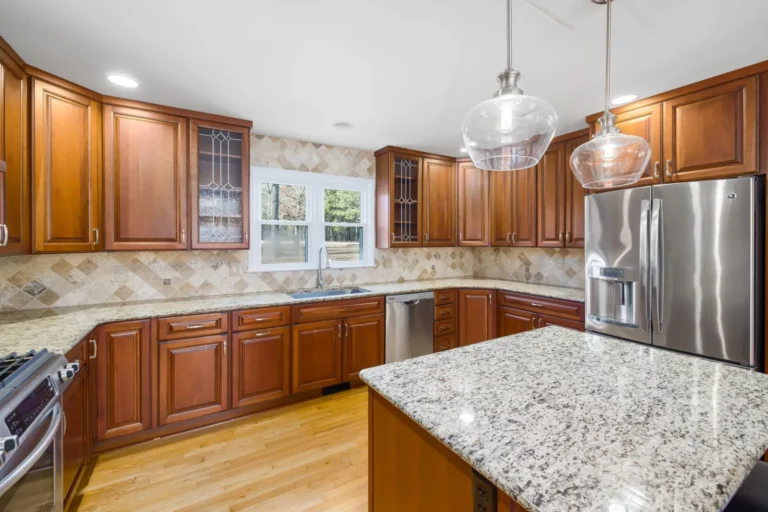
- Kitchens where the layout works but the tone feels stuck in the 1990s
- Homeowners who want a color change on a tight budget
A professional refinish is more involved than a weekend paint job. Reputable painters remove the doors and hardware, clean every surface to remove grease, sand or strip down to a sound substrate, prime for adhesion, and spray at least two coats of a cabinet-grade finish. Spraying gives you the smooth factory-like surface that a brush and roller can’t match.
What Is Cabinet Refacing?
Refacing replaces the parts you see and touch the most — the doors and drawer fronts — and covers the rest to match. A refacing crew removes the old doors and drawer fronts, then applies a thin veneer or laminate over the visible face frames and side panels. New doors, drawer fronts, and often new hinges and pulls go on top.
Refacing is the better fit when your cabinet boxes are still square and solid but the doors themselves are the problem. You’d reface instead of refinish when:
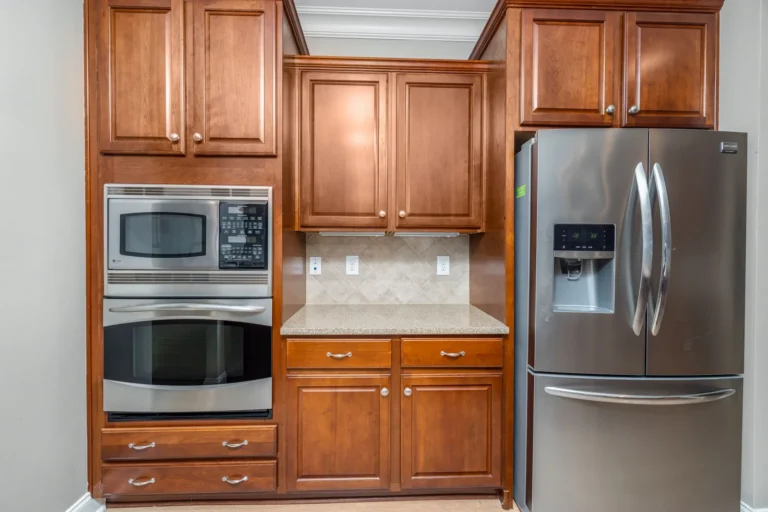
- Doors are warped, cracked, water-damaged, or peeling thermofoil
- You want a different door style, not just a different color
- The frames are sound but you want a completely different material or finish
- You dislike the dated reveal or arch of your current doors
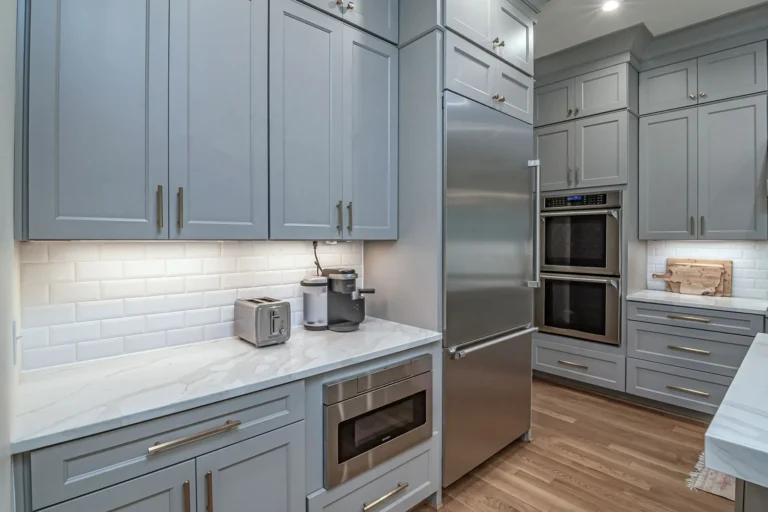
Because refacing gives you brand-new doors, you can change the style and material outright — swapping flat-panel oak for a shaker door, or dated arched fronts for clean square edges — without touching the kitchen’s footprint.
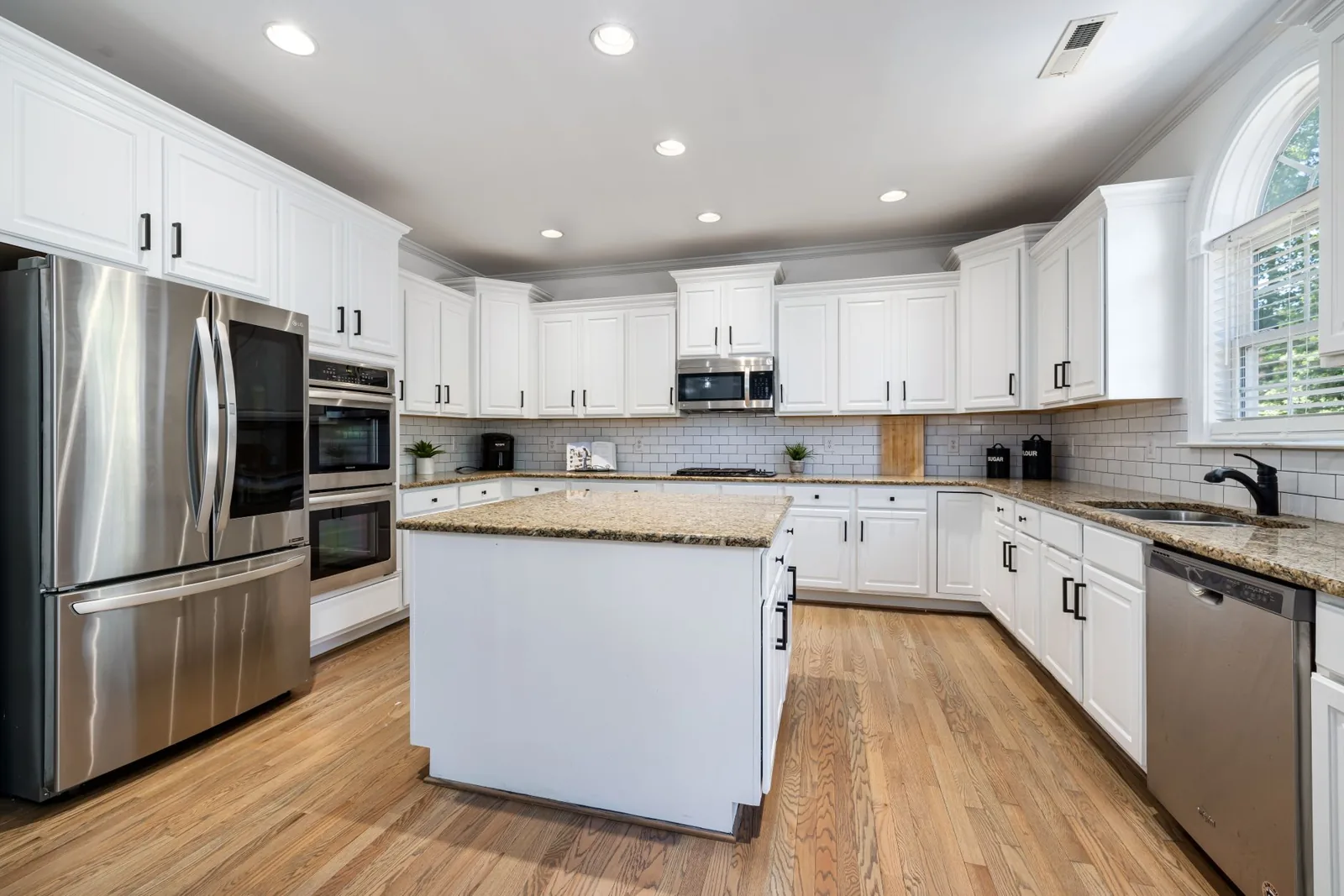
Photo by Curtis Adams via Pexels
Cabinet Refinishing vs Refacing: Key Differences
Both options save you money versus a full replacement and keep your existing cabinet boxes in place. The difference is how much of the cabinet actually changes.
| Feature | Cabinet Refinishing | Cabinet Refacing |
|---|---|---|
| What changes | Finish and color only | Doors, drawer fronts, veneer, hinges |
| Best when | Boxes and doors are sound | Doors are damaged or style is dated |
| Typical cost | $1,500–$6,000 | $4,000–$10,000 |
| Cost per linear foot | $30–$75 | $150–$350 |
| Timeline | 2–5 days | 4–7 days |
| Changes cabinet layout? | No | No |
| Changes door style? | No | Yes |
| Lifespan of result | 5–10 years | 10–20 years |
Neither option changes the layout of your kitchen. Both work only when the cabinet boxes are structurally sound — the frames aren’t sagging, the shelves aren’t bowing, and the interiors haven’t swollen from water. If you want to move appliances, add an island, or reconfigure the footprint, refacing and refinishing both come up short, and you’re looking at a full kitchen remodel instead.
Cost Comparison: Refinishing vs Refacing
The price gap between refinishing and refacing is the single biggest factor in most homeowners’ decision, so it’s worth looking at each side in detail.
What refinishing costs
Refinishing is almost always the cheaper option because you’re paying for labor and materials, not new parts. Nationwide, professional cabinet refinishing runs roughly $1,500 to $6,000 for an average 10-by-10-foot kitchen with 30 to 40 linear feet of cabinets, or about $30 to $75 per linear foot.
The final number depends on several variables:
- Paint vs. stain: Painting generally costs more than staining because it requires more surface prep and primer.
- Number of coats and door detail: Raised-panel and heavily detailed doors take more time to sand and spray.
- Whether you include the interiors: Painting cabinet interiors is optional and adds cost.
- DIY vs. pro: A do-it-yourself refinish with primer, paint, and supplies can run $200 to $700, but expect to give up most of a week and accept brush or roller texture.
What refacing costs
Refacing runs higher because new doors and drawer fronts are the single most expensive component in any cabinet project, and you’re buying all of them. A typical refacing job costs $4,000 to $10,000, or roughly $150 to $350 per linear foot, with a national average around $8,000.
Within refacing, the door material drives the price:
- Thermofoil: $150–$200 per linear foot — budget-friendly and easy to clean, but it can peel over time.
- Wood veneer doors: $200–$300 per linear foot — the middle ground with a genuine wood look.
- Solid wood doors: $250–$350+ per linear foot — the most durable and most expensive.
For a deeper look at what drives the door-by-door price, see our breakdown of kitchen cabinet refacing cost.
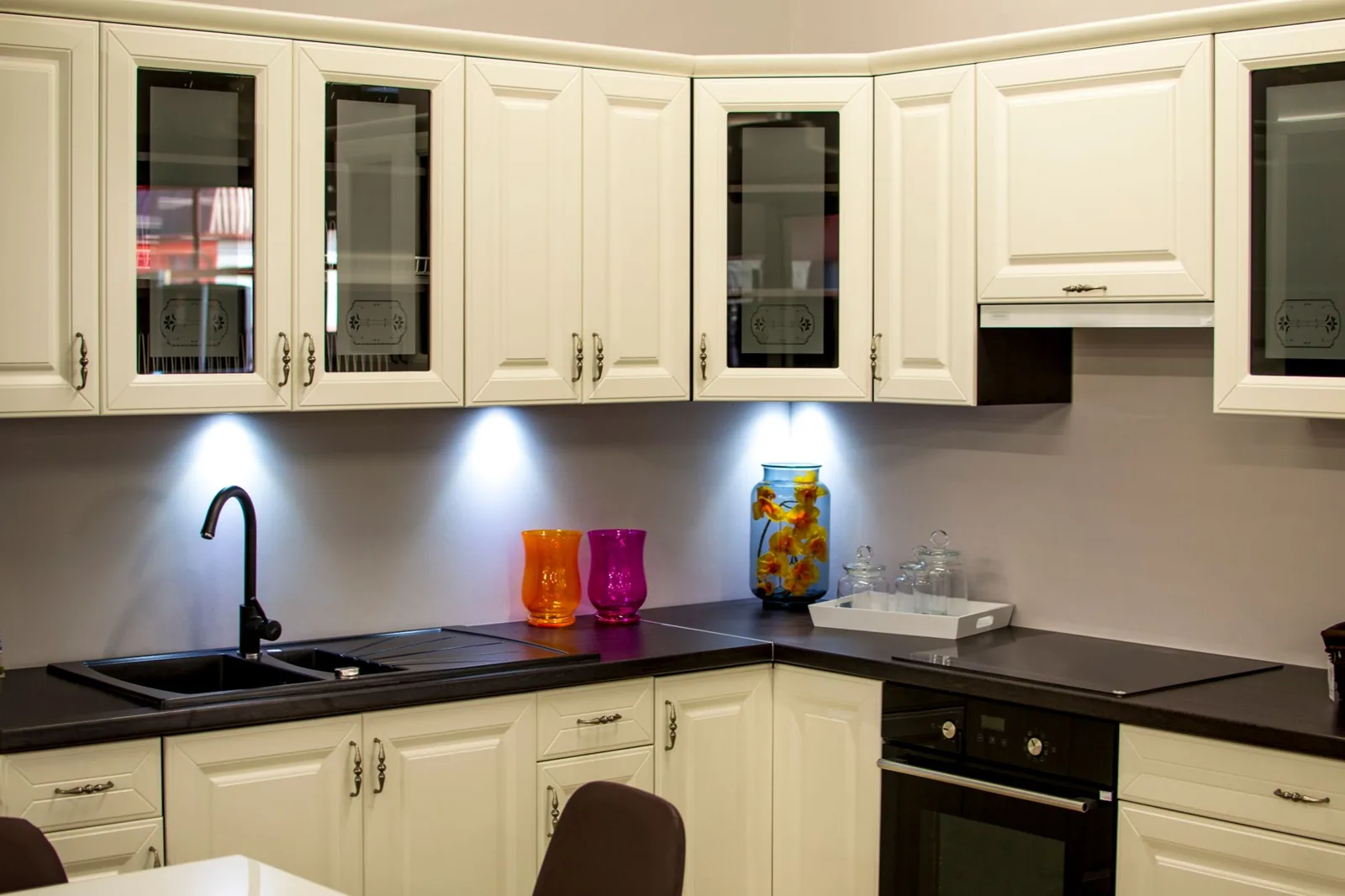
Photo by AS Photography via Pexels
Durability and Longevity
How long the result lasts separates these two options nearly as much as price does.
Refinishing with a quality cabinet-grade paint or stain — applied by a pro who preps properly — lasts about 5 to 10 years in a kitchen that sees daily use before the finish starts to show wear at high-touch points like the doors around the sink and stove. That is not a criticism of refinishing; it’s the reality of living with a film finish on frequently handled surfaces. The doors themselves are still the same age as the rest of the kitchen.
Refacing tends to last longer — 10 to 20 years — for the simple reason that the doors and drawer fronts are brand new. The veneer on the face frames can still chip or peel if it takes a hit, but the surfaces you touch every day are new materials with no accumulated wear.
One caveat applies to both: neither rescues a cabinet box that is already failing. If the plywood sides are delaminating, the frame is pulling away from the wall, or the shelves sag under a normal load, refinishing and refacing both amount to putting a new finish on a dying structure. In those cases the extra money for replacement is the honest fix.
Which One Makes Sense for Your Kitchen?
If you’re stuck, here’s a straightforward way to decide without overthinking it.
Choose refinishing when:
- Your cabinet boxes and doors are structurally sound
- You like the current door style and layout
- The problem is color, sheen, or worn finish
- Your budget is under $6,000
- You want the job done in under a week
Choose refacing when:
- Doors are warped, cracked, or covered in peeling thermofoil
- You want a different door style or material
- Your boxes are solid but the doors have seen better days
- You can spend $4,000 to $10,000
- You want a result that lasts 10+ years
If neither box checks off cleanly — say you need to change the layout or the boxes themselves are failing — then the comparison you should be making is kitchen remodel vs refacing or a full teardown anyway. The deciding question in those cases is no longer cost savings; it’s whether partial work is wasting money.
Frequently Asked Questions
Is it cheaper to refinish or reface cabinets?
Refinishing is cheaper, full stop. At $1,500 to $6,000 versus $4,000 to $10,000, refinishing costs roughly half as much on average because you aren’t purchasing new doors and drawer fronts.
Can you reface cabinets and keep the existing layout?
Yes. Refacing works entirely within your current footprint — you keep the same boxes in the same positions and only replace doors, drawer fronts, hardware, and the visible veneer. That’s a large part of its appeal: a new-looking kitchen with zero structural change.
How long does cabinet refinishing take?
A professional refinish typically takes 2 to 5 days, depending on the number of doors, the amount of prep work, and whether the crew sprays the finish on-site or in a shop. DIY refinishing spreads the same work across a week or more, since doors need to dry between coats.
Does cabinet refinishing last as long as refacing?
No. A well-done refinish lasts about 5 to 10 years before high-touch areas show wear, while refacing typically lasts 10 to 20 years because the doors and drawer fronts are brand new.
Can I paint cabinets myself instead of refinishing them?
You can, but there’s a difference between repainting and refinishing. A proper refinish strips or sands down to a sound surface and sprays a cabinet-grade finish; a quick repaint with wall paint is likelier to peel within a couple of years. If you go the DIY route, use a durable urethane or alkyd enamel like Sherwin-Williams Emerald Urethane Trim Enamel or Benjamin Moore Advance rather than standard wall paint.
The Bottom Line
Cabinet refinishing and refacing both breathe new life into a tired kitchen for far less than a full replacement — the question is which problem you’re actually solving. If your doors are sound and the layout works, refinishing gets you a color change for roughly $1,500 to $6,000. If the doors themselves are damaged, dated, or just plain ugly, refacing replaces them for $4,000 to $10,000 and gives you a result that lasts twice as long.
Before you commit to either, get eyes on the actual boxes. The Family Handyman guide to cabinet refacing and This Old House’s walkthrough of cabinet refinishing are solid primers on what a competent job involves. Then gather quotes, confirm the boxes are structurally worth saving, and choose the route that fits your budget as well as your cabinets. The right refresh keeps your money in the room instead of in a landfill.