Kitchen Remodel Cost: What a Full Renovation Really Costs in 2026
If you are planning a kitchen remodel, the first number you want is a straight answer on price. The average kitchen remodel cost in the United States runs roughly $15,000 to $60,000, with most homeowners landing between $25,000 and $40,000 for a mid-range full renovation. A minor refresh can come in under $10,000, while a high-end gut renovation with custom cabinetry, stone countertops, and new appliances can easily pass $100,000.
Those are wide ranges for a reason. Your final bill depends on the size of the room, the quality of the materials, whether you move plumbing or walls, and where you live. This guide breaks down exactly where the money goes so you can build a realistic budget before a single cabinet gets pulled out.
What the Numbers Look Like by Project Scope
Kitchen remodels are rarely one-size-fits-all, so it helps to think in three broad tiers rather than one misleading average.
| Scope | Typical Cost Range | What You Get |
|---|---|---|
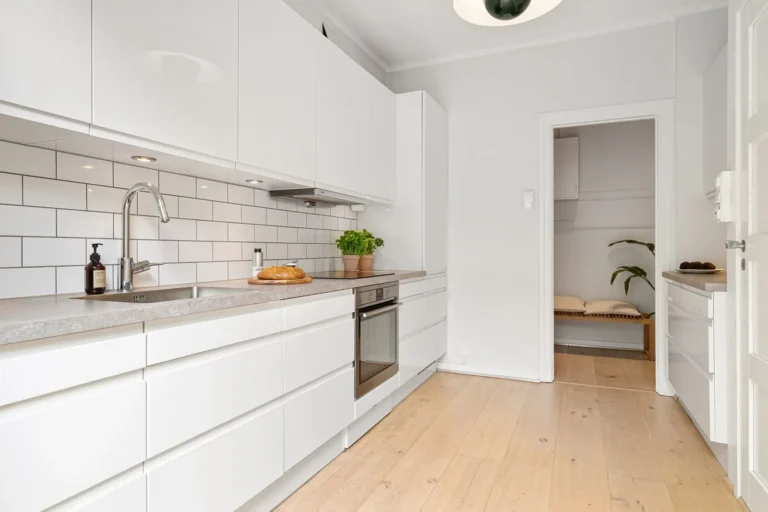
| Minor refresh | $5,000–$15,000 | Paint, new hardware, refaced cabinets, light fixture swap, backsplash touch-up |
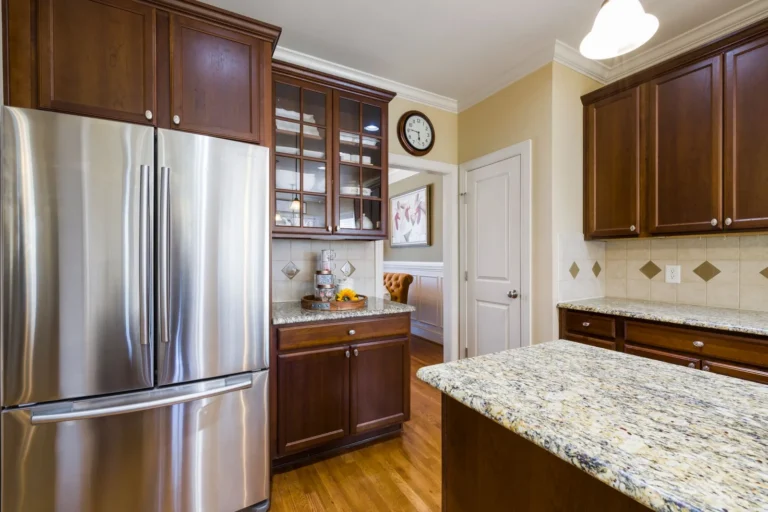
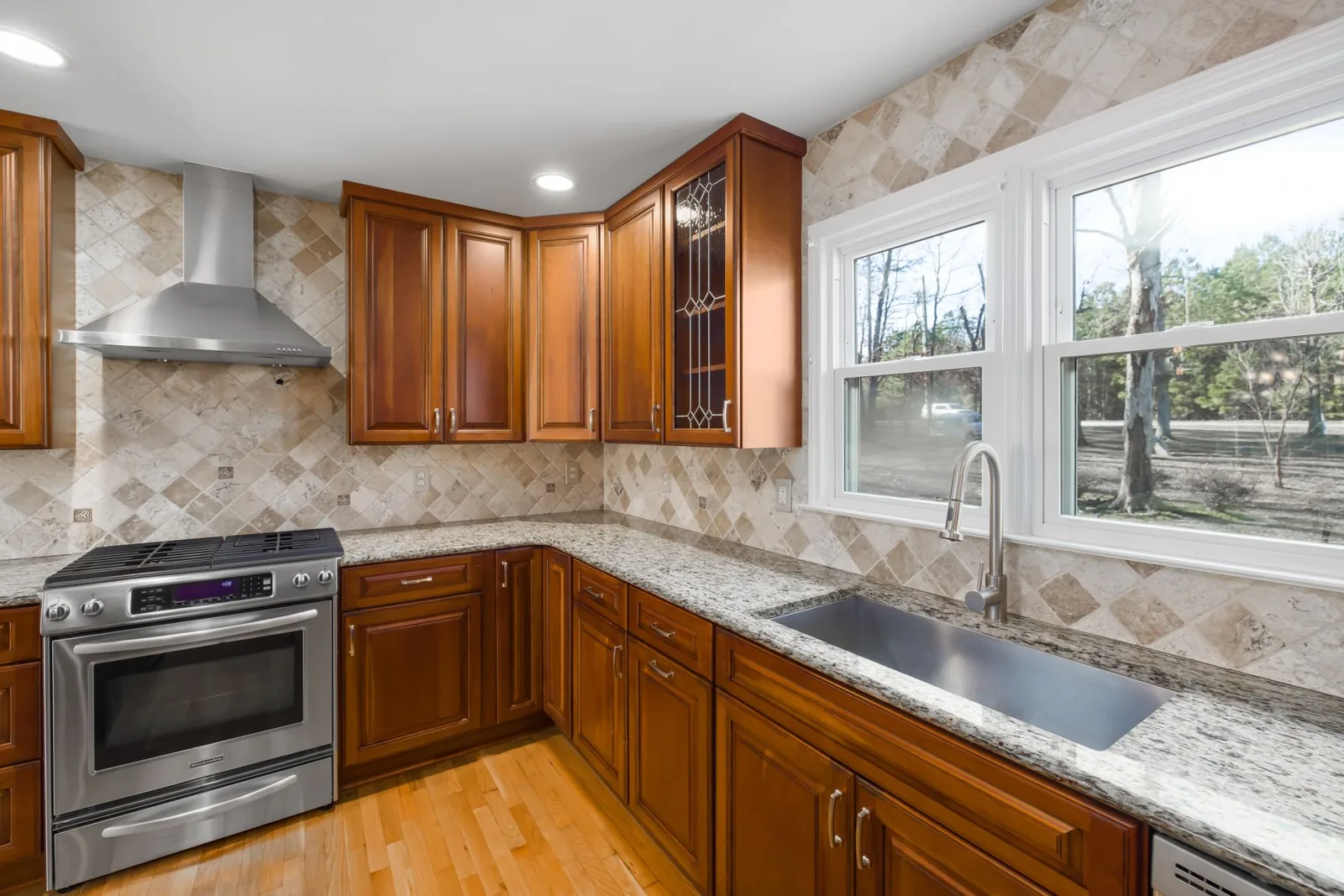
| Mid-range remodel | $20,000–$50,000 | New semi-custom cabinets, quartz or granite counters, mid-tier appliances, new flooring |
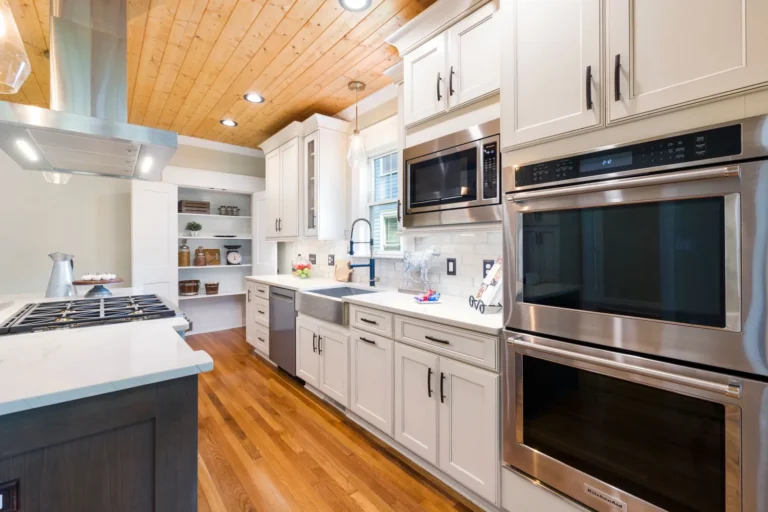
| High-end gut renovation | $60,000–$150,000+ | Custom cabinetry, stone slab counters, pro-grade appliances, layout changes, moving plumbing or walls |
A minor refresh is mostly cosmetic and usually keeps the existing layout. A mid-range remodel is what most people picture when they say “remodel”: you keep the footprint but replace nearly every surface. A high-end renovation changes the footprint itself, and that is where costs climb fast because of labor and permitting.
Cost Per Square Foot
A common way to sanity-check a quote is to look at cost per square foot. For a mid-range remodel, expect roughly $100 to $250 per square foot of kitchen space. A 150-square-foot kitchen at $150 per square foot lands around $22,500, while a 300-square-foot kitchen at the same rate approaches $45,000. For a deeper breakdown, see our guide on kitchen remodel cost per square foot.
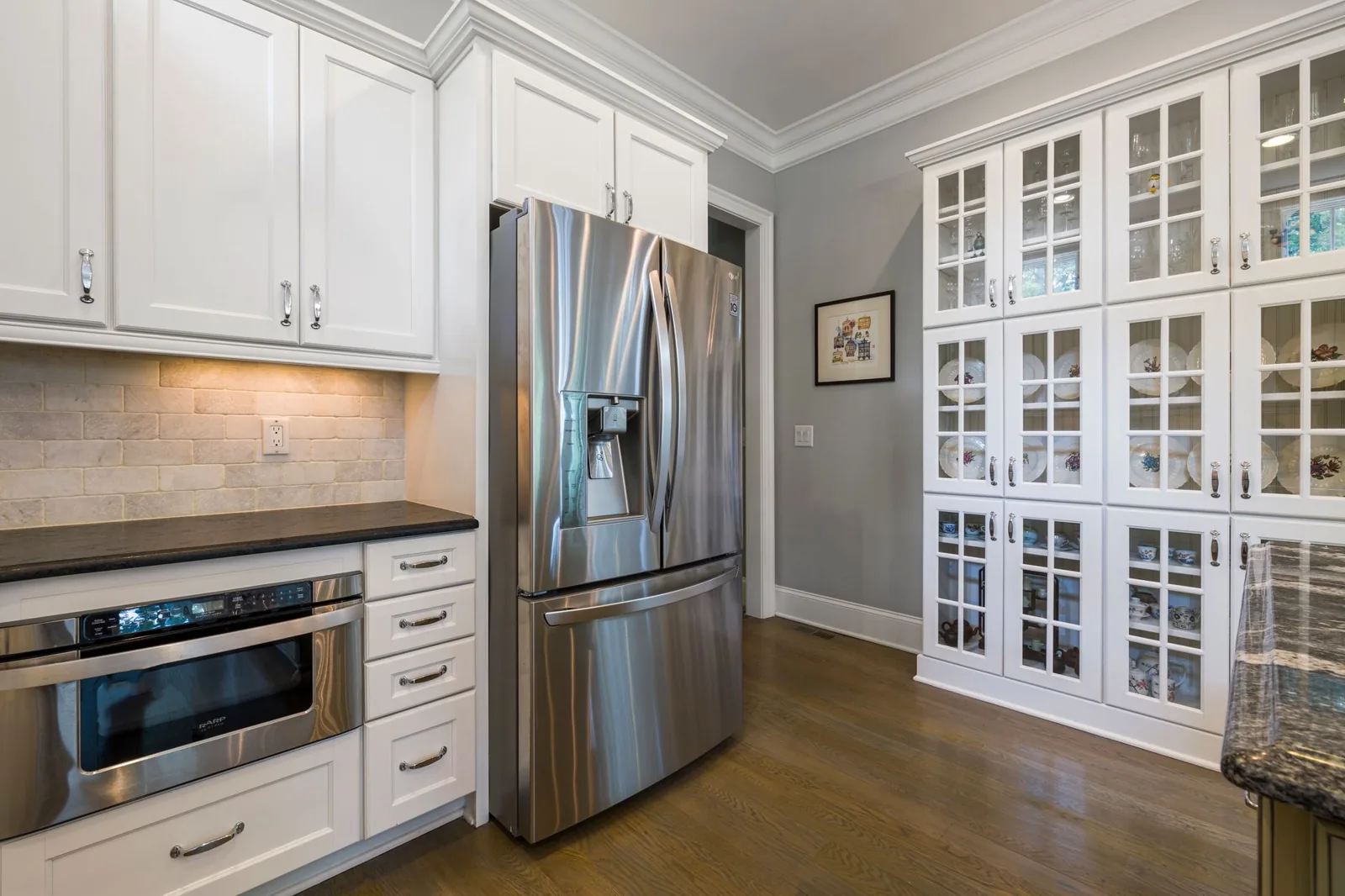
Photo by Curtis Adams via Pexels
Where the Money Actually Goes
Understanding the line items makes it much easier to trim costs without gutting quality. Here is how a typical mid-range kitchen remodel budget breaks down.
Cabinets: 25% to 35%
Cabinets are almost always the single biggest expense. Stock cabinets from a big-box store run $80 to $200 per linear foot, semi-custom cabinets $150 to $650, and fully custom cabinets $500 to $1,200 or more. A 30-linear-foot kitchen can swing from $2,400 to over $30,000 on cabinets alone. If your cabinet boxes are still solid, consider refacing instead of replacing — it costs a fraction of new cabinets. Compare the two approaches in our kitchen remodel vs refacing breakdown.
Countertops: 10% to 15%
Laminate starts around $20 to $50 per square foot installed. Granite runs $40 to $100, and quartz typically $50 to $150 installed. For a 40-square-foot countertop run, that is the difference between $1,000 and $6,000. Quartz has become the default for many homeowners because it resists stains without sealing. Read more in our quartz countertops cost guide.
Appliances: 10% to 15%
A full appliance package ranges from $2,500 for entry-level to $10,000-plus for pro-style brands like Wolf, Sub-Zero, and Miele. Mid-tier names such as GE Profile, Bosch, and KitchenAid tend to occupy the $4,000 to $7,000 sweet spot for a fridge, range, dishwasher, and microwave. If your current appliances are under ten years old and work fine, keeping them is one of the fastest ways to cut the total bill.
Labor: 15% to 25%
Plumbers, electricians, and general contractors charge $50 to $150 per hour depending on your market. Moving a sink, adding outlets, or relocating a gas line all add labor hours and permit fees. Keep the sink and appliances in their current spots and you avoid a meaningful chunk of this cost.
Flooring, Lighting, and Finishes: 10% to 20%
Hardwood, tile, or luxury vinyl plank for a kitchen floor runs $1,500 to $6,000. Under-cabinet lighting, pendant fixtures, a tile backsplash, and new paint round out the finish work.
Factors That Push the Price Up or Down
Several variables explain why two identical-looking kitchens can land tens of thousands of dollars apart.
- Size: Bigger kitchens need more of everything — more cabinets, more counter, more flooring.
- Layout changes: Moving walls, plumbing, or gas lines adds structural work, engineers, and permits.
- Material grade: Stock versus custom cabinets and laminate versus stone are the biggest material levers.
- Location: Labor in coastal metros runs 20% to 40% higher than in smaller markets.
- Age of the home: Older houses often hide wiring or plumbing that must be brought up to code once the walls open.
- Permit requirements: Structural, plumbing, and electrical permits can add $500 to $2,000 depending on your municipality.
None of these factors is a reason to skip the project. They are simply dials you can turn — keep the layout, choose mid-tier materials, and time the work well, and the same kitchen often costs 30% less than the identical space remodeled the expensive way.
A useful exercise before you call a single contractor is to write out the three tiers above and mark, honestly, which one your home and budget point to. Most overspending happens when a homeowner plans for a minor refresh but keeps upgrading mid-project into mid-range territory. Setting the tier first, then resisting upgrades that push you into the next one, is the single most reliable way to keep the final kitchen remodel cost close to the number you started with.
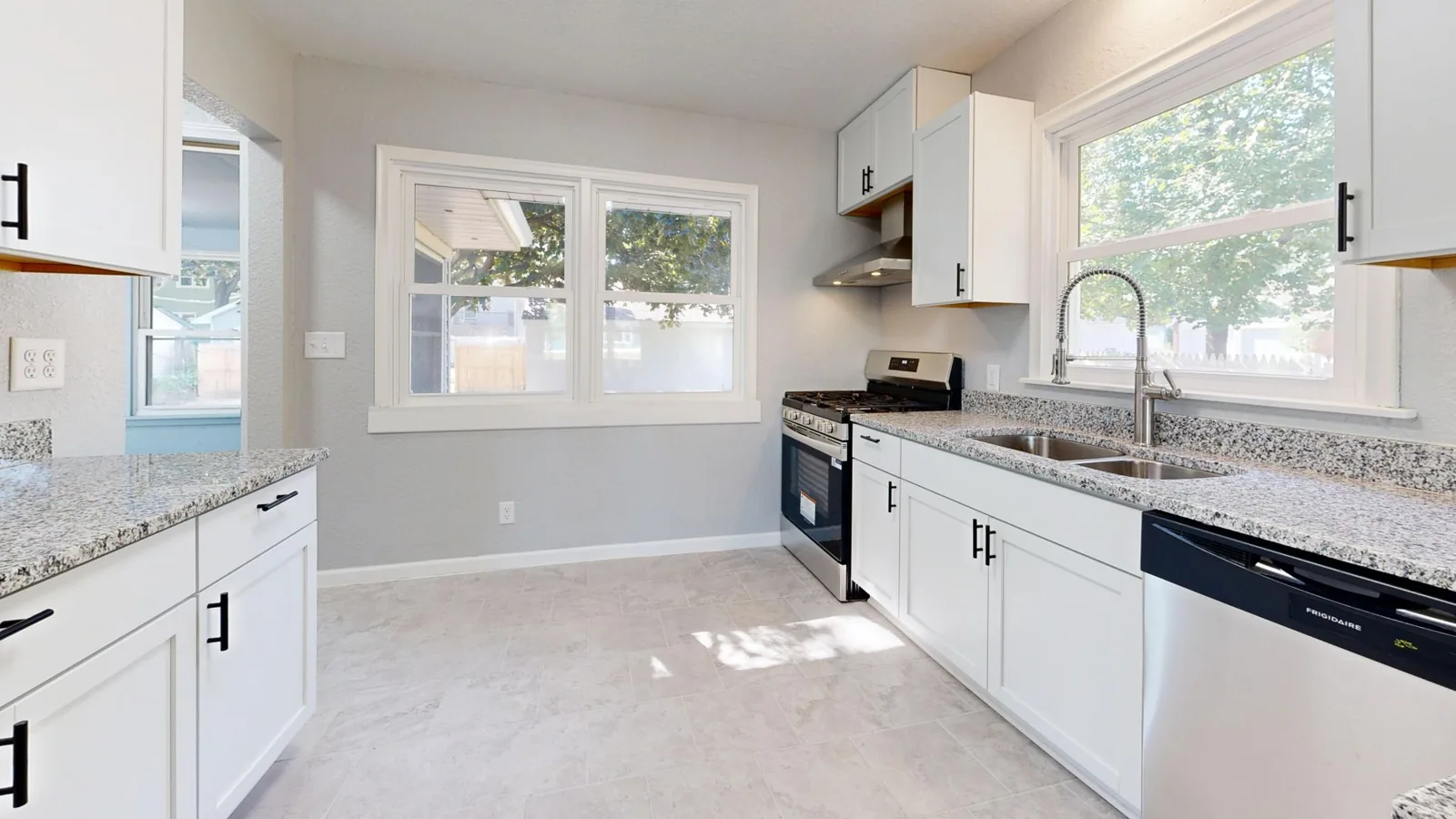
Photo by Peter Vang via Pexels
How to Budget Without Blowing Past It
A realistic budget is one you can actually hold to. Start with a number you are comfortable spending, then set aside a contingency before you pick a single finish.
- Get three quotes. Prices for the same scope routinely vary by 20% to 30% between contractors.
- Set aside 10% to 20% for surprises. Opened walls reveal problems; plan for them up front rather than mid-project.
- Rank your must-haves. Decide which upgrades you will not compromise on, then trim everywhere else.
- Avoid mid-project changes. Change orders are where budgets quietly die.
- Time it well. Off-season work in winter can sometimes earn better contractor pricing.
If you are working with a tighter number, a well-planned budget remodel can still transform the room. Our kitchen remodel ideas on a budget guide shows where cheap wins actually pay off.
Remodel vs. Renovation: Know the Difference
The words get used interchangeably, but they mean different things — and different price tags. A renovation restores or refreshes what is already there: new paint, refinished floors, replaced appliances. A remodel changes the structure or layout: moving the sink, removing a wall, reconfiguring the cabinetry. Remodels cost more because they involve more labor, more materials, and usually permits. For example, moving a sink across the room can add several thousand dollars in plumbing work alone, while refinishing the floor in place costs a few hundred. If you are still deciding which path fits your goals and your wallet, our kitchen remodel vs renovation comparison walks through both.
Frequently Asked Questions
What is the average cost of a kitchen remodel?
For a mid-range remodel, most homeowners spend between $25,000 and $40,000. The full spectrum runs from about $5,000 for a cosmetic refresh to $150,000 or more for a high-end gut renovation.
How long does a kitchen remodel take?
A minor refresh can take one to two weeks. A mid-range remodel typically takes six to twelve weeks. A full gut renovation with layout changes can run three to six months, depending on permits and contractor schedules.
Can I remodel a kitchen for $10,000?
Yes, if you keep the layout and make smart trade-offs. Refacing cabinets, keeping existing appliances, choosing laminate counters, and doing your own painting can keep a modest kitchen near that figure.
Is a kitchen remodel worth the investment?
Most homeowners recoup 50% to 70% of a mid-range remodel at resale, according to data cited by remodeling industry trackers. Beyond resale, the daily benefit of a functional, pleasant kitchen is hard to quantify but very real.
Should I hire a general contractor or do it myself?
For anything involving plumbing, electrical, or structural work, hire a licensed contractor — mistakes there are expensive and dangerous. DIY works best for paint, hardware, backsplash tile, and demolition you can safely manage.
The Bottom Line
Kitchen remodel cost is not one number; it is a range shaped by scope, materials, and labor. A thoughtful mid-range remodel lands around $25,000 to $40,000 for most homes, with cabinets and labor eating the biggest share. Know which tier you are in, get multiple quotes, and hold a 10% to 20% contingency — that combination is what keeps a kitchen project on budget and on schedule.
For more detailed pricing breakdowns, the cost guides at This Old House and Angi are solid reference points. When you are ready to move from numbers to plans, start with our kitchen remodel cost per square foot guide to size your own project.