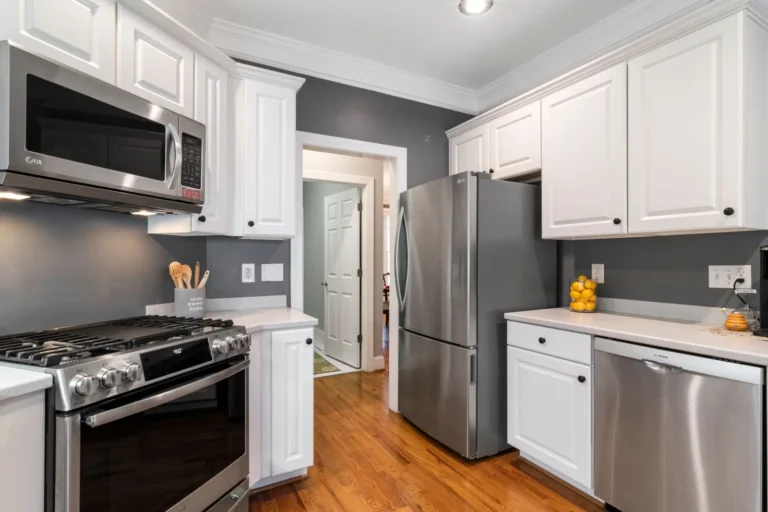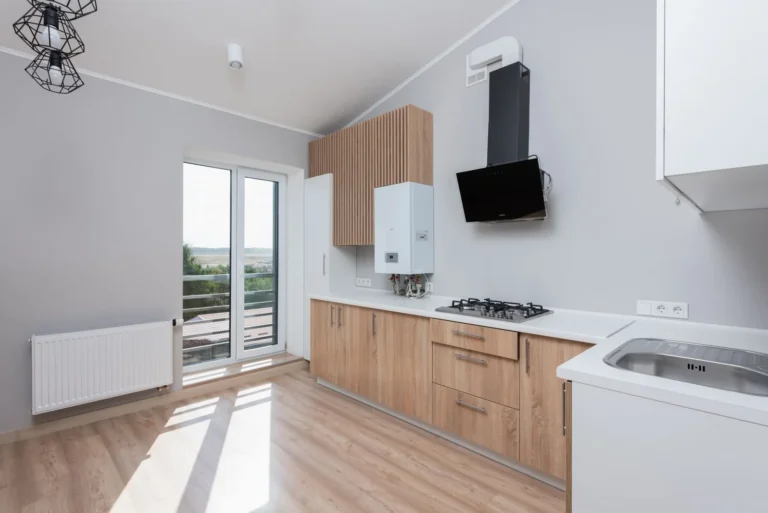
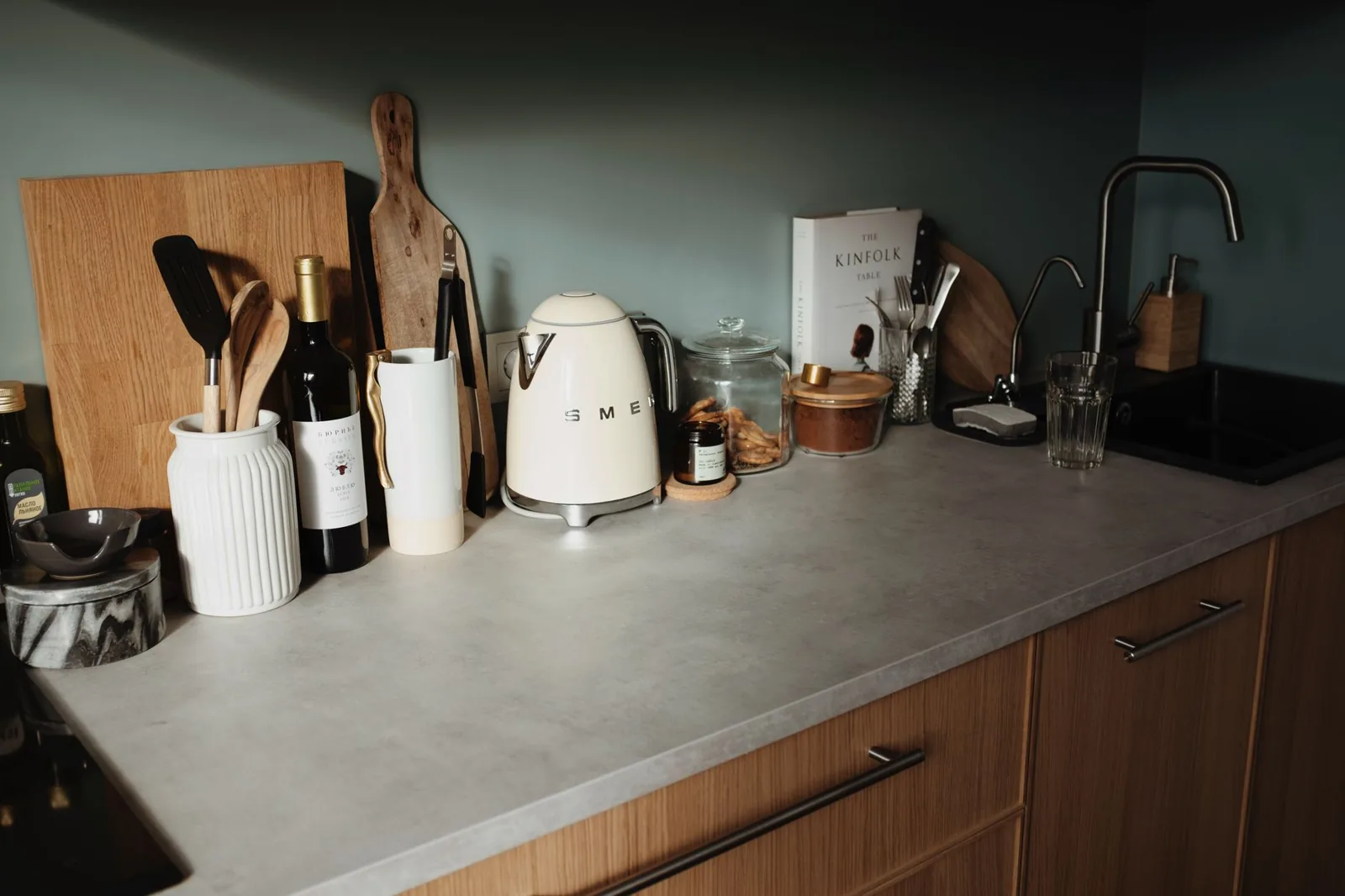
Butcher Block Countertop vs Quartz: Cost, Care, and Which to Choose
If you’re in the middle of planning a kitchen remodel, the butcher block countertop vs quartz decision is one of the first surface-level questions that stops people cold. Both are popular, both look great in the right kitchen, and both carry a very different set of trade-offs once you move past the showroom photos. One is warm, affordable, and forgiving to repair; the other is tough, low-maintenance, and built to shrug off spills for decades.
The honest answer is that neither material wins across the board. Butcher block costs less up front and can be sanded and refinished when it gets beat up, while quartz resists stains, heat, and water with almost no upkeep. The right choice comes down to how you cook, how much maintenance you’ll actually do, and what you want the kitchen to feel like.
Here’s a straight comparison of the two, with real price ranges, maintenance demands, and durability facts so you can decide without the sales pitch.
What Are Butcher Block and Quartz Countertops?
Before comparing them side by side, it helps to know what you’re actually buying.
Butcher block is a solid wood surface made by gluing strips of hardwood together under pressure. Standard species are maple, birch, oak, and beech; walnut and cherry are premium upgrades. It comes in two basic builds: edge-grain (the strips are turned on their sides, which is stronger and more stain-resistant) and end-grain (the classic chopping-block look, softer under a knife but more porous). You can buy it as slabs from IKEA, Home Depot, or John Boos, or have a local woodworker build it.
Quartz is an engineered stone, typically 90–93% crushed natural quartz bound with about 7–10% resin and pigment. Major brands include Caesarstone, Silestone, and Cambria. Because the pigment is mixed in at the factory, quartz comes in a far wider and more consistent color range than natural stone, including bright whites and solid colors that are hard to get in granite or marble.
Butcher Block Countertop vs Quartz: Cost Comparison
Cost is where most homeowners start, and it’s the clearest point of separation between the two.
| Feature | Butcher Block | Quartz |
|---|---|---|
| Material cost (per sq ft) | $20–$60 | $50–$120 |
| Installed cost (per sq ft) | $40–$100 | $70–$200 |
| Typical 30 sq ft kitchen | $1,200–$3,000 | $2,100–$6,000 |
| Heat resistance | Low to moderate | Moderate |
| Stain resistance | Low (unless sealed) | High |
| Water resistance | Moderate, needs sealing | High |
| Repairability | Sand and refinish | Not repairable |
| Expected lifespan | 20+ years with care | 25+ years |
Butcher block is almost always cheaper to buy and install. A standard maple or birch slab runs roughly $20–$60 per square foot for the material alone, and because it’s lightweight and can be cut with standard woodworking tools, installation is simpler and often DIY-friendly. A 30-square-foot kitchen might come in around $1,200–$3,000 installed.
Quartz sits higher across the board. Material typically lands between $50 and $120 per square foot depending on the brand and edge profile, with fabrication and installation pushing the total to $70–$200 per square foot. That same 30-square-foot kitchen usually runs $2,100–$6,000. Cambria, which sells only through authorized dealers, tends to sit at the top of that range.
The gap narrows once you factor in long-term maintenance, but for upfront cash, butcher block is the clear budget winner. If you’re weighing the whole project, our kitchen remodel cost per square foot guide breaks down where the rest of the budget goes.
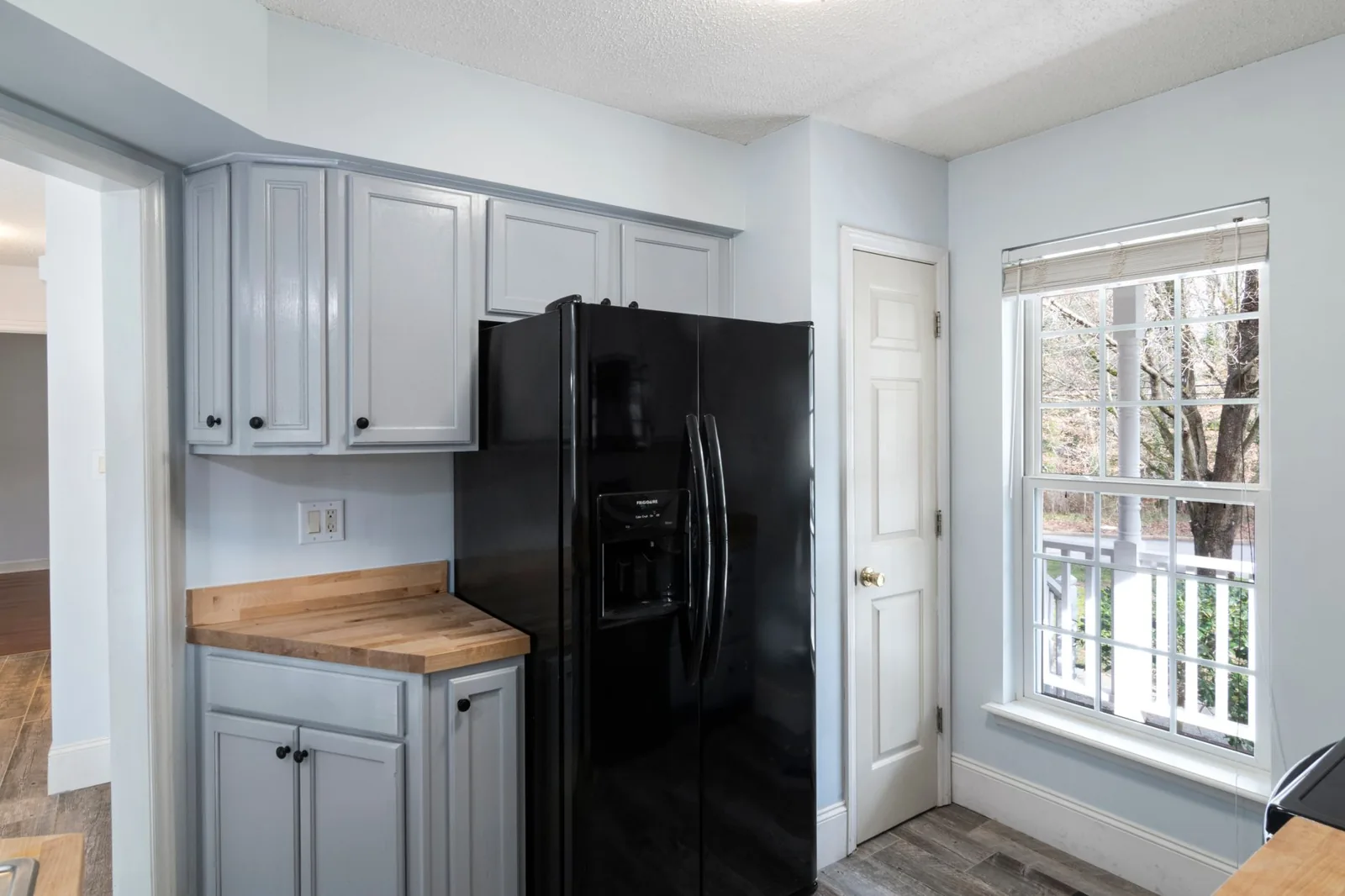
Photo by Curtis Adams via Pexels
Durability and Daily Wear
Quartz wins on sheer toughness, but butcher block holds a quiet advantage of its own: it can be fixed.
Quartz is one of the most durable countertop surfaces on the market. It resists scratches from knives and pans, doesn’t chip easily under normal use, and won’t etch the way marble does when it meets an acidic spill. The resin binder also makes the surface non-porous, so coffee, red wine, and tomato sauce won’t soak in. The trade-off is that quartz isn’t truly heatproof — a hot pan straight off the burner can scorch or crack the resin, so trivets are still required.
Butcher block is softer and more vulnerable in day-to-day use. It will show knife marks, dents from dropped cans, and ring stains from wet glasses left overnight. But unlike quartz — which can’t be repaired once it’s cracked or deeply scratched — wood can be sanded down and re-oiled to look nearly new. That’s the core appeal for a lot of cooks: a surface that takes abuse and bounces back instead of a surface you have to protect.
Maintenance and Care
This is where the two materials diverge hardest, and where most buyers either commit to wood or walk away from it.
Butcher block needs routine upkeep:
– Oil the surface monthly with food-grade mineral oil (or a mix of mineral oil and beeswax) for the first year, then every few months after.
– Wipe up spills and standing water quickly, especially around the sink.
– Never set hot pans directly on the wood.
– Sand out stains and scratches with fine-grit sandpaper and re-oil as needed.
– Avoid harsh chemical cleaners; warm water and mild dish soap are enough.
Quartz needs almost nothing:
– Wipe with warm water and mild soap or a non-abrasive cleaner.
– No sealing, ever — the surface is non-porous out of the factory.
– Avoid abrasive pads and bleach-based cleaners, which can dull the finish over time.
– Use trivets for hot pans even though the surface is hard.
If the thought of oiling a counter every month sounds like a chore you’ll abandon by February, quartz is the realistic choice. If you enjoy caring for wood and like that it develops character, butcher block rewards the effort.
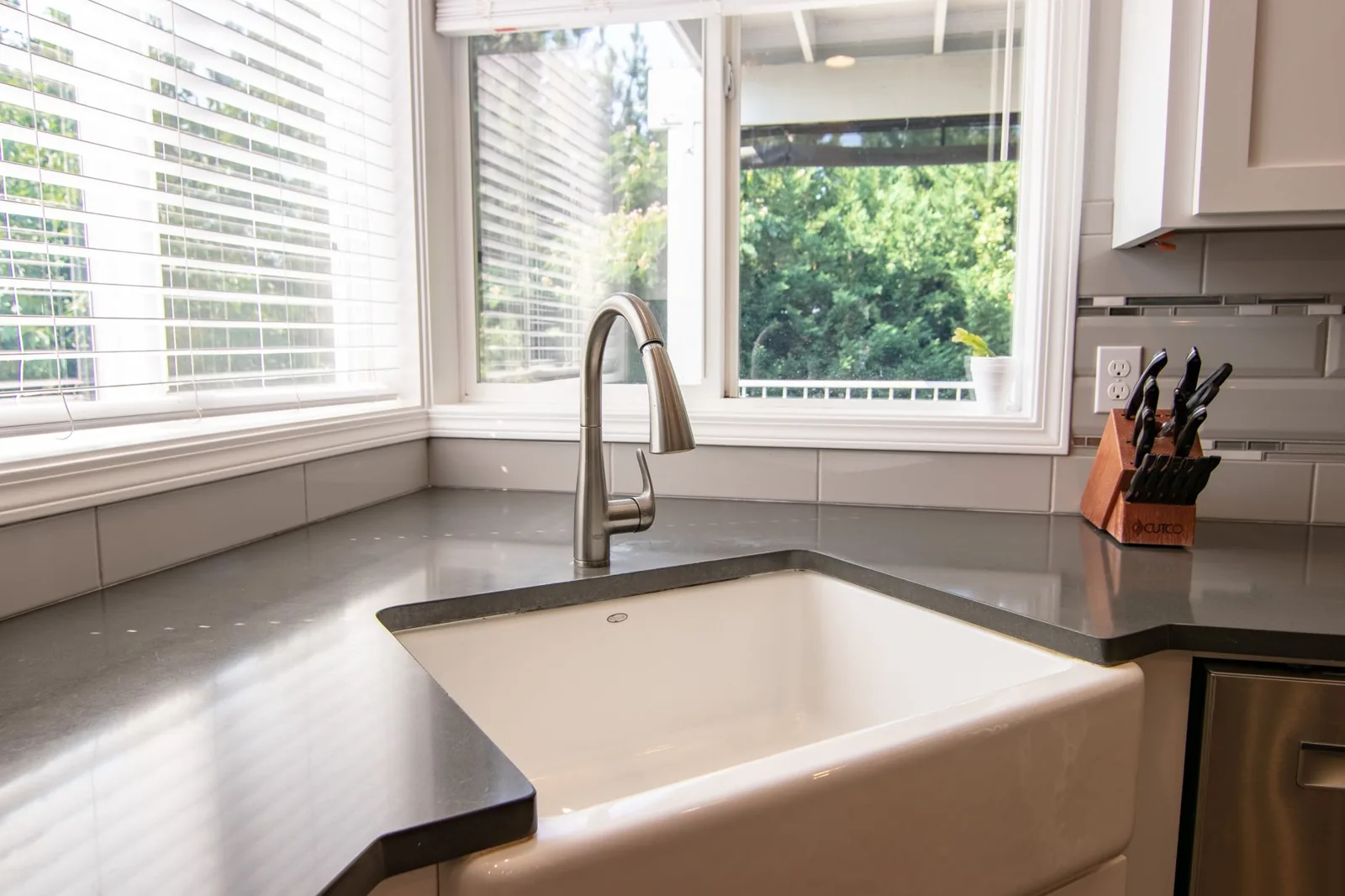
Photo by Clay Elliot via Pexels
Heat, Stains, and Water Resistance
The three things that kill countertops hit these two materials very differently.
Wood is porous, so it stains and absorbs water unless it’s kept sealed with oil. A wet sponge left on the counter overnight will leave a dark ring; a pool of water around the sink can eventually cause the wood to swell or split if it’s allowed to sit. Heat is also a problem — a hot pan will scorch the surface and leave a permanent dark mark.
Quartz handles all three better. It won’t absorb stains because it has no pores, it doesn’t swell or warp when wet, and it tolerates brief contact with warm (not red-hot) cookware. The one caution is heat: prolonged direct heat can discolor or crack the resin, so quartz is heat-resistant, not heatproof.
Neither material should be used as a permanent cutting board. Butcher block can technically take knife work, but that’s how you end up with a gouged, bacteria-collecting surface. Quartz will dull your knives fast and can scratch. Use a separate cutting board either way.
Look and Resale Value
Butcher block brings warmth and a natural, slightly rustic feel that quartz can’t fully imitate, even with wood-look finishes. It works especially well in farmhouse, cottage, and Scandinavian-style kitchens, and it pairs beautifully with white or sage cabinets. The downside is that wood varies — every slab has knots, color shifts, and grain movement, so it won’t look perfectly uniform.
Quartz offers a cleaner, more polished look with near-total color consistency. Bright white and marble-look quartz (think Calacatta-style veining) is one of the most sought-after looks in kitchens right now, and it photographs well for resale listings.
On resale, quartz generally holds a slight edge. Buyers read engineered stone as “no maintenance, move-in ready,” while some view butcher block as high-effort. But wood counters can still be a selling point in the right house, especially if they’re well-kept and paired with a quality sink and hardware. If budget is tight, you can also spend the savings on other upgrades — our kitchen remodel ideas on a budget roundup shows where that money goes furthest.
Frequently Asked Questions
Is butcher block cheaper than quartz?
Yes. Butcher block typically runs $20–$60 per square foot for materials and $40–$100 per square foot installed, while quartz runs $50–$120 for materials and $70–$200 installed. Over a 30-square-foot kitchen, butcher block can save you $1,000–$3,000 or more.
Does butcher block increase home value?
It can, but less predictably than quartz. Well-maintained wood counters read as warm and characterful in a farmhouse or cottage-style home. In a more modern or high-end listing, quartz is usually the safer bet for perceived value, since buyers associate it with low upkeep.
Is butcher block good around a kitchen sink?
It can work, but it demands care. Water is the enemy of wood counters, so the sink cutout needs to be sealed thoroughly, and you have to wipe standing water away promptly. Some homeowners opt for a butcher block perimeter with a quartz or stainless section around the sink for the best of both.
Which is easier to keep clean, butcher block or quartz?
Quartz, by a wide margin. It’s non-porous and needs only a wipe-down with mild soap and water. Butcher block requires monthly oiling, quick spill cleanup, and periodic sanding to stay clean and protected.
Can you put a hot pan on quartz?
Briefly, but it’s not recommended. Quartz is heat-resistant, not heatproof — direct contact with a very hot pan can scorch, discolor, or crack the resin binder. Always use a trivet or cooling rack, the same as you would on butcher block.
For material and maintenance comparisons, This Old House explains countertop options.
The Bottom Line
Choose butcher block if you want the warmest, most affordable surface and don’t mind a little monthly upkeep in exchange for a counter you can sand and restore when it gets scratched. It’s the better pick for farmhouse and cottage kitchens, for budget-conscious remodels, and for anyone who actually enjoys caring for wood.
Choose quartz if you want a surface you can set a coffee cup on and forget about — no sealing, no oiling, no stain panic. It costs more up front but shrugs off water, stains, and daily wear, and it holds up for decades with almost no maintenance.
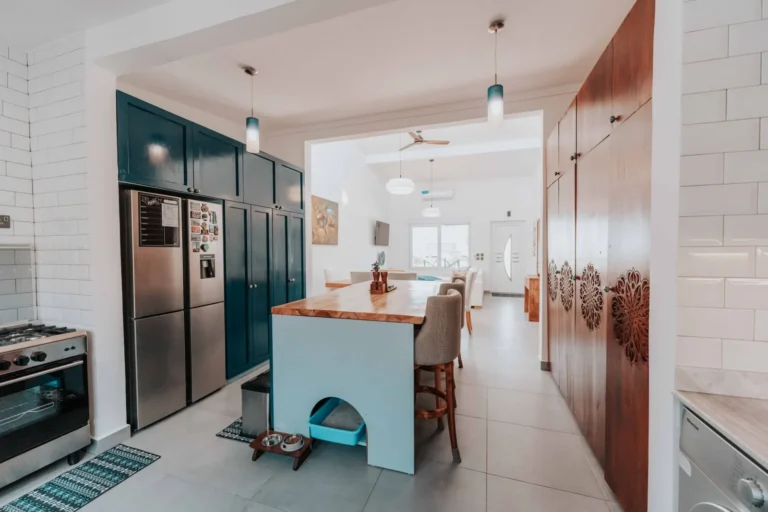
If you’re still torn, the two pair surprisingly well: butcher block on an island or baking station, quartz on the perimeter where the sink and cooktop live. For a full picture of what the rest of the project will cost, start with our kitchen remodel cost guide, or check out kitchen cabinet refacing cost if your cabinets need attention too.