Bathroom Remodel Cost: What Homeowners Really Pay in 2025
Ask ten contractors what a bathroom renovation runs and you will get ten different numbers, none of them wrong. The average bathroom remodel cost in the United States lands between $6,600 and $17,300 for a standard full bathroom, with most homeowners spending roughly $11,500. Small powder rooms fall closer to $3,000, while a high-end primary suite with a freestanding tub and heated floors can push past $50,000.
The gap comes down to three things: the size of the room, the scope of the work, and the materials you pick. A cosmetic refresh that swaps a vanity and light fixture costs a fraction of a gut renovation that moves plumbing and rewires the space. This guide breaks down what drives the numbers so you can budget with confidence instead of guessing.
What a Bathroom Remodel Costs by Scope
The single biggest lever on your total price is how much of the room you actually change. Here are the three most common scopes and what they typically cost.
Cosmetic Refresh: $2,500 to $6,000
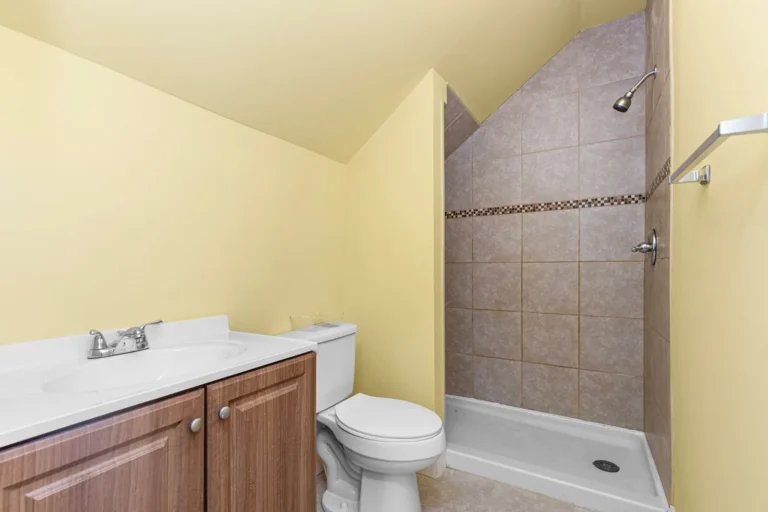
A cosmetic refresh keeps the layout and plumbing exactly where they are. You replace the vanity top, faucet, toilet, light fixtures, mirror, and paint, then caulk and regrout. Labor is light, permits are usually not required, and most of the work can be done in a week. This is the right move when the bones of the bathroom are solid and the room just looks dated.
Standard Remodel: $6,600 to $17,300
This is the classic full-bathroom renovation. It typically includes a new tub or shower, a new vanity and countertop, tile flooring, a new toilet, lighting, and exhaust fan, and often fresh drywall or paint. You might update plumbing fixtures but keep them in the same rough locations to avoid the cost of moving drain and supply lines. Permits and 15 to 25 percent of the quote set aside for surprises should be baked into the budget.
Gut Renovation: $17,300 to $50,000+
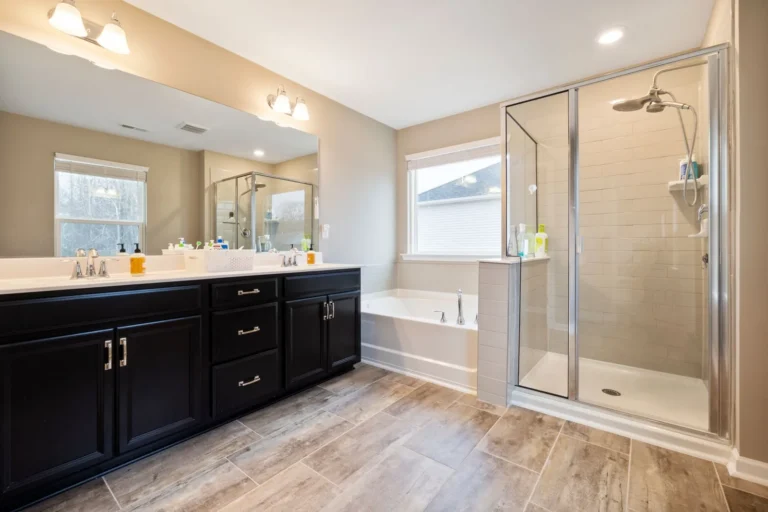
A gut renovation strips the room to the studs. You are moving the shower to the other wall, rerouting drains, adding a double vanity, possibly adding a second sink, and upgrading electrical. Moving a toilet or shower drain even a few feet can add $1,500 to $3,000 on its own, and older homes often reveal rot, mold, or out-of-code wiring once the walls come down. Plan for the room to be out of commission for four to eight weeks.
Bathroom Remodel Cost Breakdown by Project
| Project | Cosmetic/Basic | Mid-Range | High-End |
|---|---|---|---|
| Vanity + countertop | $300 | $900 | $3,000+ |
| Toilet | $150 | $350 | $800 |
| Shower or tub install | $1,200 | $4,500 | $12,000 |
| Tile flooring (60 sq ft) | $500 | $1,200 | $3,600 |
| Faucet + fixtures | $100 | $400 | $1,500 |
| Exhaust fan | $100 | $250 | $600 |
| Paint + trim | $250 | $600 | $1,200 |
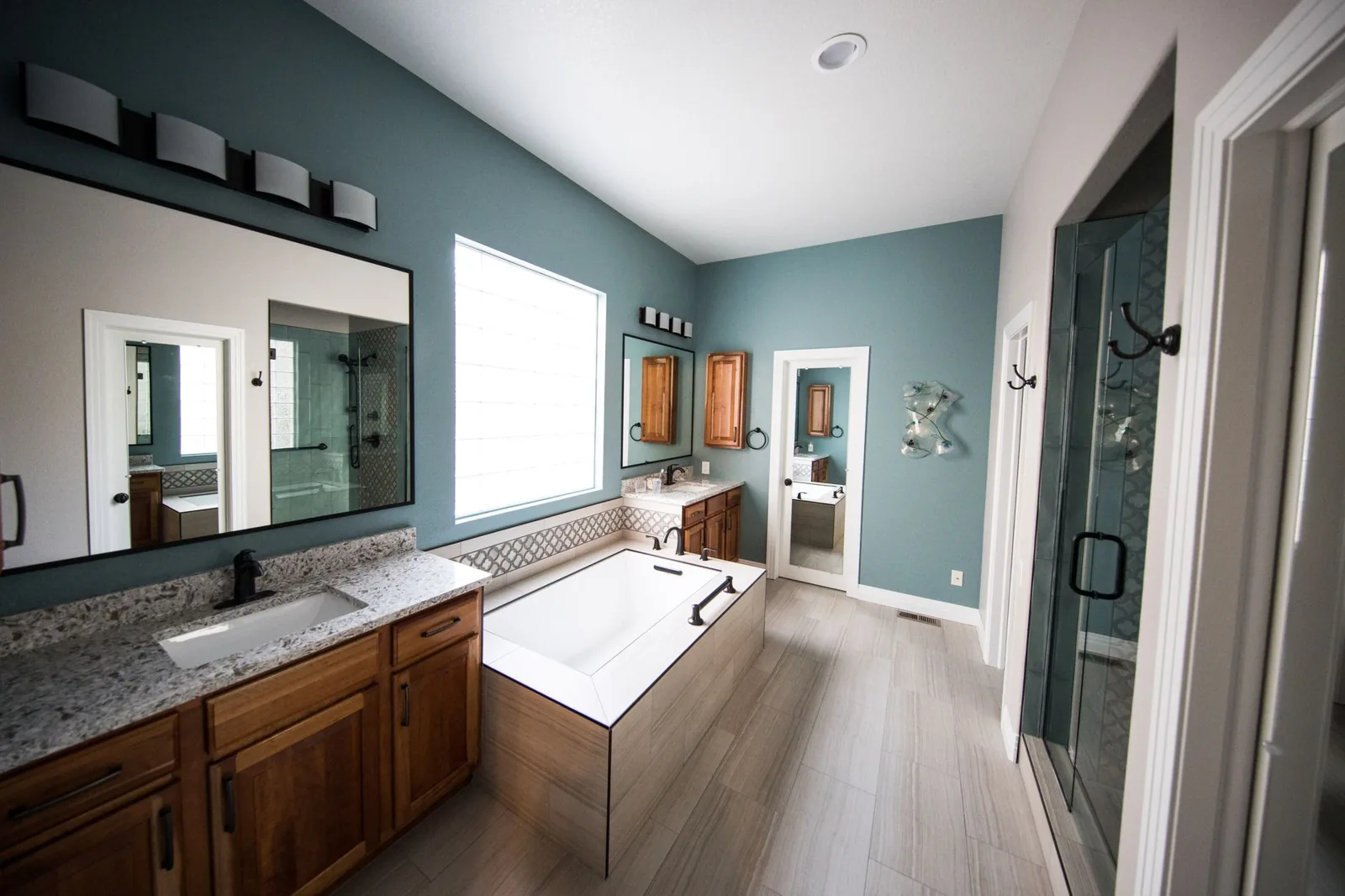
Photo by Christa Grover via Pexels
Labor is the quietest budget-killer in the table above. For a mid-range remodel, materials account for only about 40 percent of the total; the other 60 percent is a licensed plumber, electrician, tile setter, and general contractor. Plumbing and electrical work almost never belong in the DIY column, both for safety and because permits and inspections often require licensed pros.
What Drives the Price Up or Down
Five variables explain nearly all the spread between a $4,000 job and a $45,000 one.
Size and Square Footage
A 35-square-foot powder room and a 100-square-foot primary bath are worlds apart. More square footage means more tile, more drywall, more paint, and more time on the clock. As a rough rule, bathroom remodel cost per square foot runs $70 to $250 depending on finish level, so every added foot compounds quickly.
Moving Plumbing
Keeping fixtures in place is the cheapest decision you can make. Relocating a toilet, sink, or shower means opening floors, rerouting drains, and often new venting. A plumber will typically charge time-and-materials for this, and it is rarely less than $1,500 per moved fixture.
Material Grades
Tile is the clearest example. Ceramic runs $2 to $8 per square foot, porcelain $4 to $12, and natural stone or handmade tile $15 to $50 or more. The same logic applies to quartz versus laminate countertops and builder-grade versus premium faucets. Material choices alone can swing the total by $5,000 on an average bathroom.
Permits and Code
Most full remodels need a permit, which costs $100 to $1,000 depending on your city, and might trigger code upgrades like GFCI outlets, waterproofing at the shower, or a dedicated circuit for the exhaust fan. Skipping permits saves money today and can haunt you at resale or inspection.
Unexpected Finds
Homes older than 30 years frequently hide water-damaged subfloor around the toilet, mold behind the tub surround, or cast-iron pipes that should be replaced while the walls are open. Contractors recommend holding 20 percent of your budget for exactly these discoveries.
Where Your Money Goes: Materials That Matter Most
If you are weighing where to splurge and where to save, three materials return the most value for the dollars.
- Vanity and countertop. This is the first thing anyone sees. A solid wood or plywood vanity with a quartz top runs $900 to $3,000 and instantly upgrades the room. Check out typical bathroom vanity cost ranges before you shop, because showroom-upgrade temptation at cabinet stores is real.
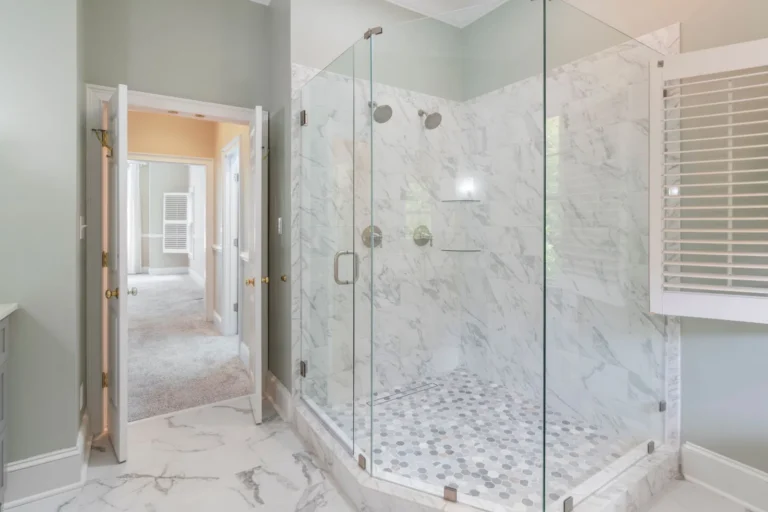
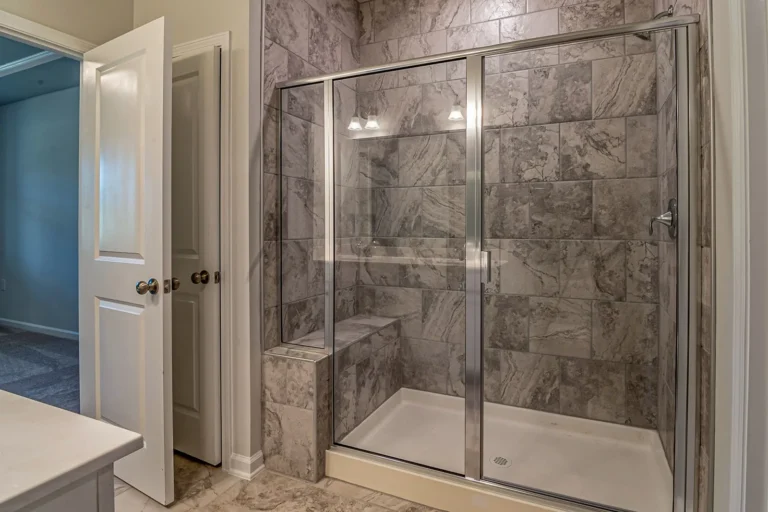
- Shower and tub. The shower is the second anchor of the space. A prefabricated fiberglass unit is the budget choice at $600 to $1,500 installed, while a custom tiled shower with a glass door easily reaches $8,000 to $12,000. For the full picture on that specific line item, see what a walk-in shower cost really runs.
- Tile. Floor and wall tile set the tone and quietly signal quality. Buying tile on clearance and keeping a simple layout pattern is a reliable way to trim thousands without anyone noticing.
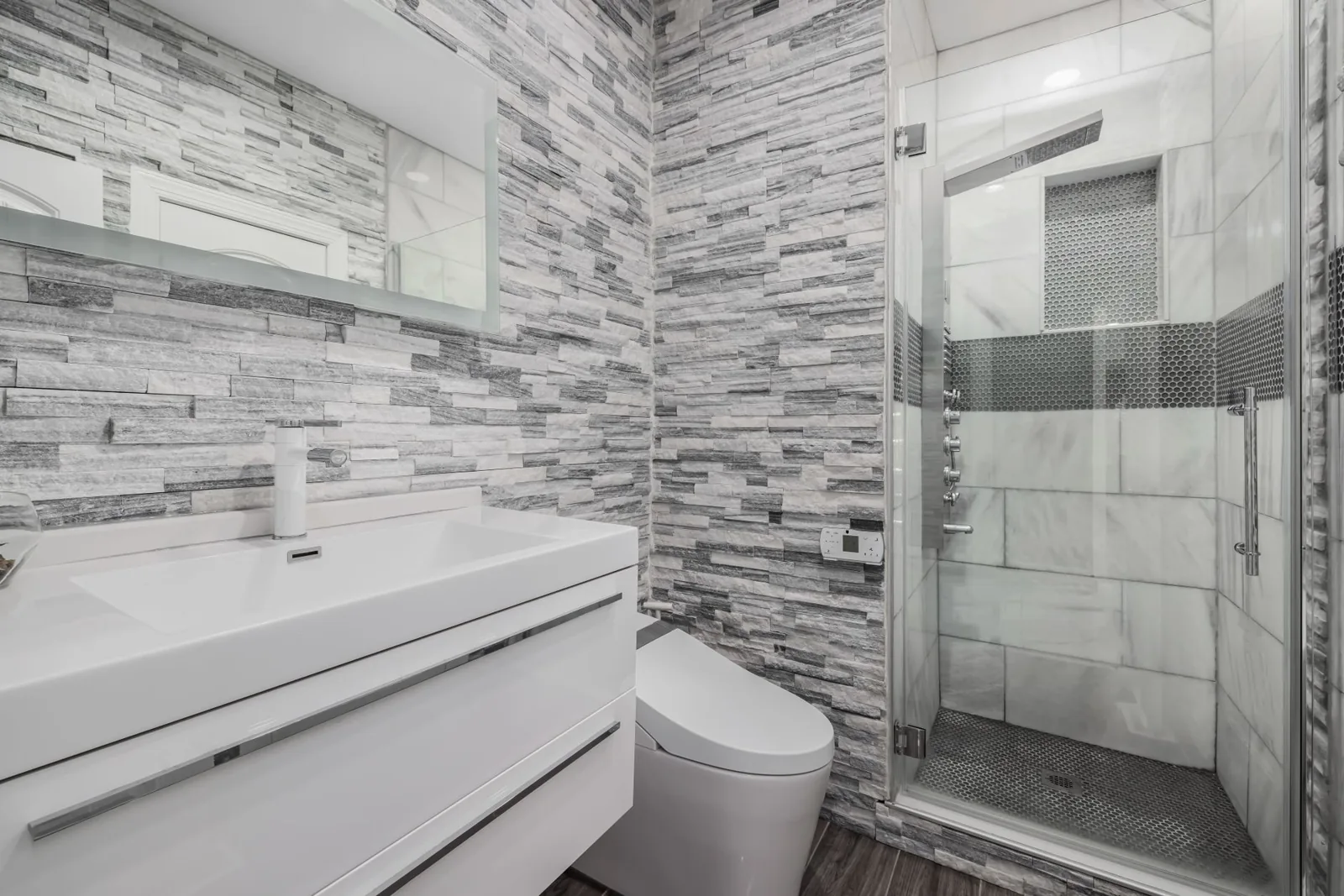
Photo by Curtis Adams via Pexels
Fixtures, lighting, and paint are where you should spend last. A $60 faucet and a $400 faucet both move water; the gap is mostly finish and brand. Paint is paint. Put the budget toward the items that get touched every day.
How to Keep Bathroom Remodel Costs Down
You do not have to cheap out to come in under budget. These moves cut real money while keeping the finished room looking sharp.
- Keep the layout. Not moving the toilet, shower, or vanity is the single most effective savings lever, often worth $2,000 to $5,000.
- Refresh instead of replace where possible. Refinish a cast-iron or steel tub for $400 to $600 instead of ripping it out. Reglaze a dated vanity rather than buying new.
- Do the safe demo and prep yourself. Removing an old vanity, pulling up flooring, and hauling debris are low-risk tasks that save hundreds in labor. Leave the plumbing, electrical, and waterproofing to licensed pros.
- Buy materials during sales. Big-box stores run kitchen-and-bath sales twice a year. Timing your vanity, tile, and fixtures around them can cut material costs 20 to 30 percent.
- Get at least three quotes. Prices on identical work routinely vary by 50 percent between contractors. Compare labor, not just the lump sum, and check references before you sign.
Frequently Asked Questions
How much should a bathroom remodel cost per square foot?
Most homeowners pay $70 to $250 per square foot all-in. Budget remodels sit near $70 to $100, mid-range at $125 to $175, and high-end finishes exceed $250. The wide range reflects material grade as much as the square footage itself.
Is a bathroom remodel worth the money?
Yes, and the return is unusually strong. According to Remodeling magazine’s Cost vs. Value report, a mid-range bathroom remodel recoups roughly 55 to 70 percent of its cost at resale, which is better than most other home projects — and that is before accounting for the daily use you get while you live there.
What is the most expensive part of a bathroom remodel?
Labor, particularly plumbing and tile setting. On a mid-range full bath, labor is about 60 percent of the bill. Within materials, a custom tiled shower with a glass enclosure is usually the biggest single line item, followed by the vanity and countertop.
Can I remodel a bathroom for $5,000?
Yes, with a tight scope. $5,000 comfortably covers a cosmetic refresh — new vanity top, faucet, toilet, lighting, paint, and regrouting — and can stretch to a small bathroom with a prefab shower, vinyl plank flooring, and a stock vanity if you keep the layout unchanged and handle demo yourself.
Do I need a permit to remodel a bathroom?
Not for cosmetic changes like paint, fixtures, or a new vanity. Anything touching plumbing, electrical, or structural work — moving drains, rewiring, adding an exhaust fan circuit — typically requires a permit, which adds $100 to $1,000 and often means a licensed contractor must do the work.
The Bottom Line
The honest bathroom remodel cost is somewhere between $6,600 and $17,300 for a standard full bath, and you control most of the spread. Decide early whether you are refreshing or gutting, keep the plumbing where it is if you can, and put your money into the vanity, shower, and tile — the three surfaces that define how the room feels and how it appraises.
Get three itemized quotes, hold 20 percent in reserve for surprises, and pull permits where the code requires them. A well-planned bathroom renovation is one of the few home projects that pays you back both in everyday comfort and in resale value. Need more guidance before you start? Browse our bathroom remodel ideas on a budget for ways to refresh your space without the full-scale price tag.