Bathroom Vanity Cost: What You’ll Actually Pay in 2025
A bathroom vanity is usually the single largest furniture purchase in a bathroom remodel, and the price spread is wider than most homeowners expect. A flat-pack unit from IKEA or a big-box store can run under $200, while a custom solid-walnut double vanity with a quartz top can pass $5,000 before installation. Nailing down bathroom vanity cost early is the best way to keep the rest of your remodel on budget.
The good news is that a vanity is also one of the easiest places to control spending. You can buy a well-made 36-inch vanity with a stone top for roughly $700 to $1,200, or step up to a semi-custom unit and get a noticeably sturdier cabinet, soft-close drawers, and a thicker countertop for another $1,000 to $2,000. This guide breaks down what a vanity costs at every tier, the factors that move the price, and where you can save without ending up with a particleboard box that swells within a year.
If you want the fuller picture of how a vanity fits into a complete renovation, start with our guide to bathroom remodel cost, which walks through whole-project budgets from a $2,500 cosmetic refresh to a $25,000 gut job.
How Much Does a Bathroom Vanity Cost?
Most homeowners pay between $300 and $3,800 for a vanity, and the typical job lands around $1,000 to $2,000 once you factor in a basic countertop, sink, and installation. The spread comes down to whether you buy stock, semi-custom, or fully custom, and whether the labor is bundled into the price.
| Vanity Type | Price Range (Unit Only) | Typical Installed Cost |
|---|---|---|
| Stock / RTA | $100–$1,000 | $300–$1,500 |
| Semi-Custom | $500–$2,500 | $900–$3,500 |
| Custom | $1,500–$5,000+ | $2,500–$7,000+ |
Stock and Ready-to-Assemble Vanities
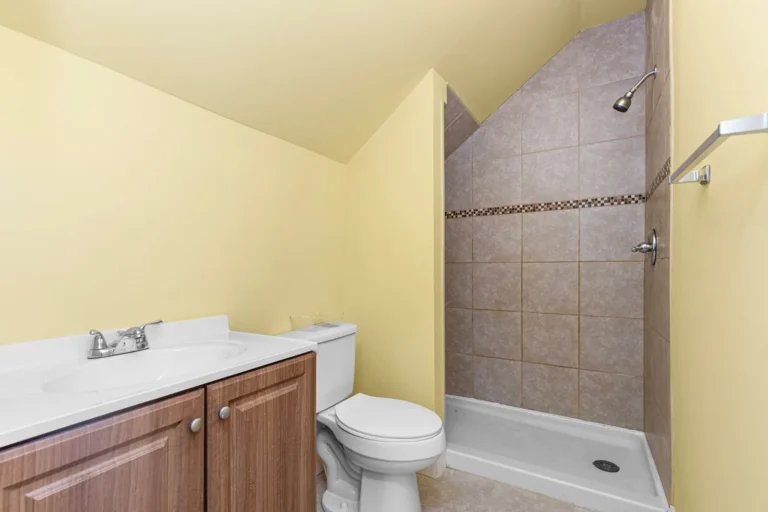
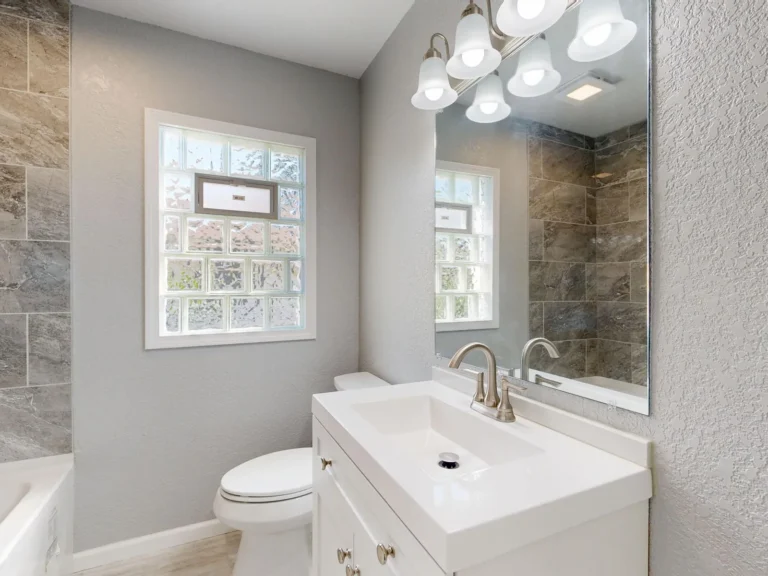
Stock vanities are the mass-produced units sold at Home Depot, Lowe’s, Wayfair, and IKEA. They ship flat or partially assembled and cover the budget end of the market, from about $100 to $1,000. At this tier, expect MDF or particleboard boxes, melamine interiors, and a laminate or thin cultured-marble top. They install quickly and are perfectly fine for a guest bath or a rental, but the hinges and drawer slides are usually the first things to fail.
Semi-Custom Vanities
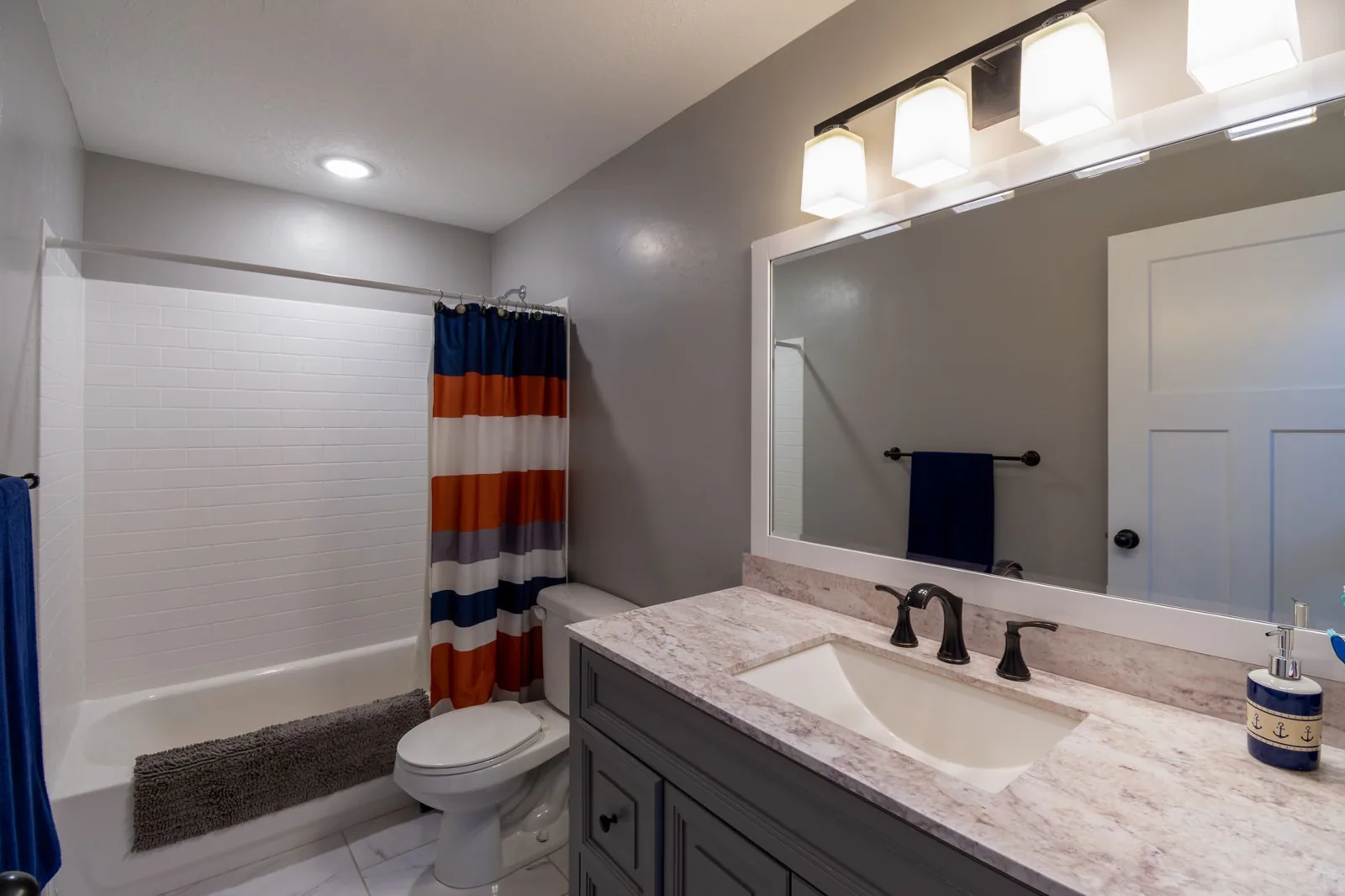
Semi-custom is the sweet spot for most owners of a primary bathroom. You choose the size, door style, finish, and top from a catalog, and the factory builds the vanity to those specs. Prices run $500 to $2,500 for the cabinet alone, and the jump in quality is real: plywood boxes, solid-wood doors and drawer fronts, dovetailed drawers, and soft-close hardware. Brands like Bertch, James Martin, and Decorá consistently deliver this tier.
Custom Vanities
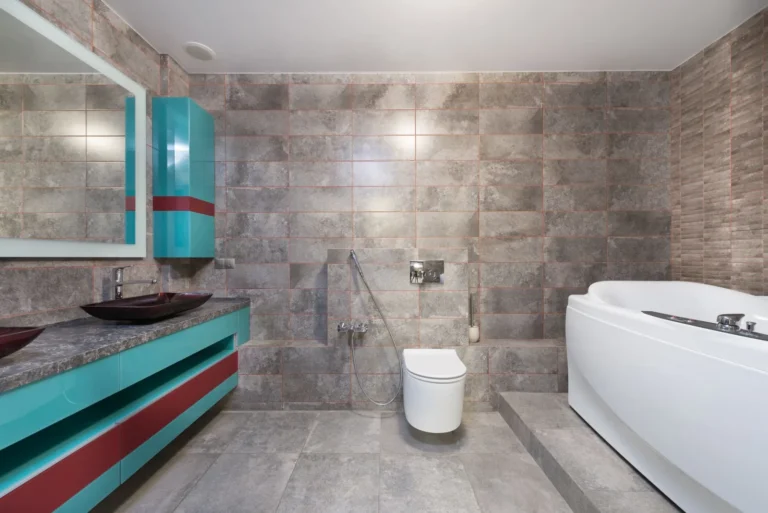
A fully custom vanity is built to your exact dimensions and materials by a local cabinetmaker or a company like Signature Hardware or Rejuvenation. You might pay $1,500 to $5,000 or more, but you get any wood species, any layout, and details such as built-in hampers or charging drawers that no catalog unit offers. This route makes sense when you have an awkward space, a specific style in mind, or a home where the bathroom is a selling point.
Installation Labor
Whether you buy stock or custom, expect to pay for labor unless you install it yourself. A straightforward like-for-like swap typically runs $200 to $500, while moving supply lines, relocating a drain, or adding wall blocking for a floating unit pushes the bill to $500 to $1,000. The American Institute of Architects’ home cost data and This Old House’s remodeling guides both put vanity installation at the low end of bathroom labor, which is why so many DIYers take it on themselves.
What Drives the Price of a Bathroom Vanity
A handful of factors account for most of the difference between a $300 vanity and a $3,000 one. Understanding them lets you spend where it matters and cut where it doesn’t.
Size and Configuration
A single 24-inch vanity has a lot less material and hardware than a 72-inch double vanity, and the price scales accordingly. A 24- to 30-inch unit typically runs $150 to $800, a 36- to 48-inch single runs $400 to $1,800, and a 60- to 72-inch double starts around $800 and can climb past $4,000. Double vanities also need twice the faucets, drains, and countertop fabrication.
Cabinet Material and Construction
The box is where manufacturers hide their costs. Particleboard and MDF are cheap and prone to swelling around moisture; plywood is the upgrade that holds up in a humid bathroom. Solid-wood face frames and doors cost more than thermofoil or laminate. Look for dovetailed drawer joints, full-extension soft-close slides, and a sealed or painted interior as signs of a cabinet built to last.
Hardware and Finish
Soft-close hinges and undermount drawer slides add $50 to $150 to a vanity’s price but dramatically improve how it feels day to day. Custom paint colors, specialty stains, and metal or glass accents each add a premium. None of these change the vanity’s function, so they are easy places to trim if your budget is tight.
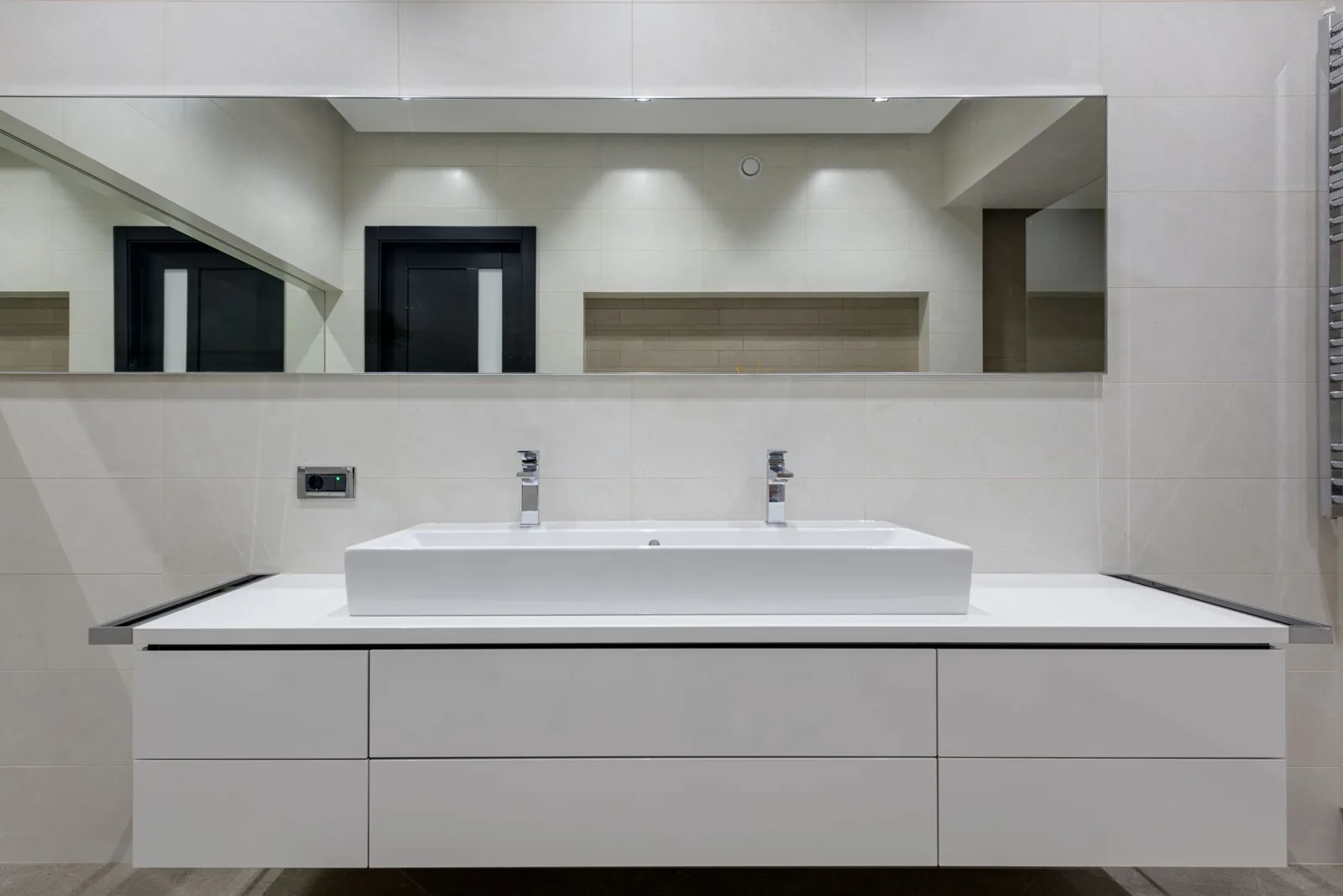
Photo by Max Vakhtbovych via Pexels
Vanity Styles at Every Budget
Beyond the tier, the vanity’s style affects both its price and how it works in your space.
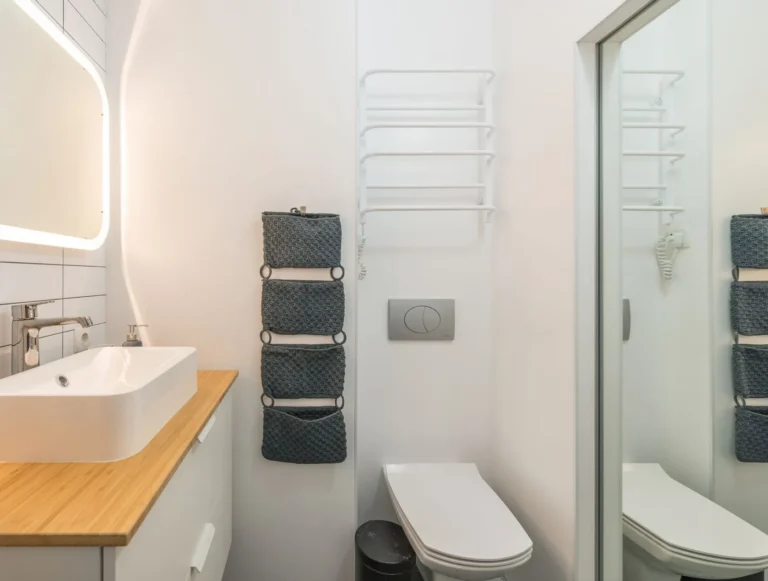
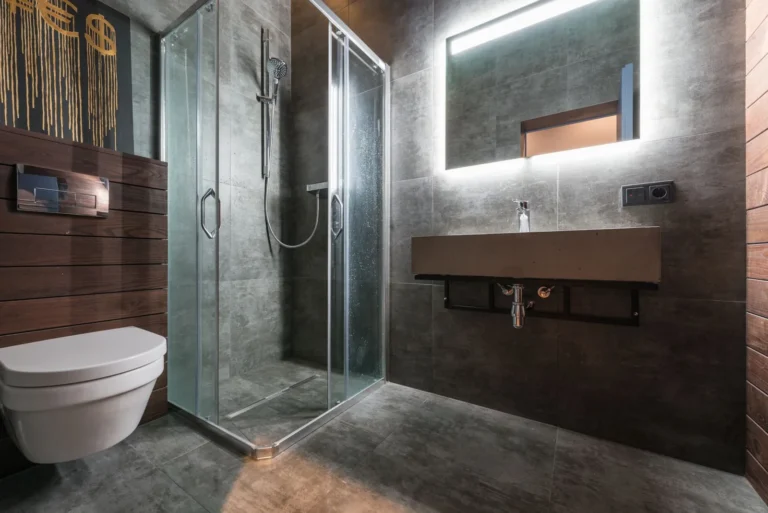
Freestanding vanities are the default and the cheapest to buy and install, since they simply sit on the floor. Floating vanities mount to the wall, which looks modern and makes the floor easier to clean, but the wall needs blocking behind it, adding $100 to $300 in labor. Double vanities cost the most up front but add real value in a shared or primary bath. Corner vanities make use of an awkward footprint but offer limited counter space, and vessel-sink vanities demand taller cabinet heights that can complicate plumbing.
If you’re working within a tighter budget, our collection of bathroom remodel ideas on a budget shows how to refresh a bathroom for a few hundred dollars while keeping the vanity you have.
Countertop and Sink Options
The top and sink are priced separately from the cabinet at most retailers, and they can easily cost as much as the vanity itself.
Countertop Materials
- Laminate: $20–$60 per square foot, durable enough for guest baths but prone to chipping.
- Cultured marble: $35–$100 per square foot, seamless and easy to clean, though it can scratch.
- Granite: $40–$100 per square foot, natural and heat-resistant but needs periodic sealing.
- Quartz: $50–$120 per square foot, non-porous and low-maintenance, the current favorite for baths.
- Marble: $50–$150 per square foot, beautiful but porous and high-maintenance.
Sink Styles
A standard undermount or drop-in sink adds $50 to $250 to the top. Integrated sinks, where the bowl and countertop are one molded piece, are common on cultured marble and eliminate the rim where grime collects. Vessel sinks sit on top of the counter and run $100 to $600, but they usually require a taller or wall-mount faucet, which adds to plumbing cost.
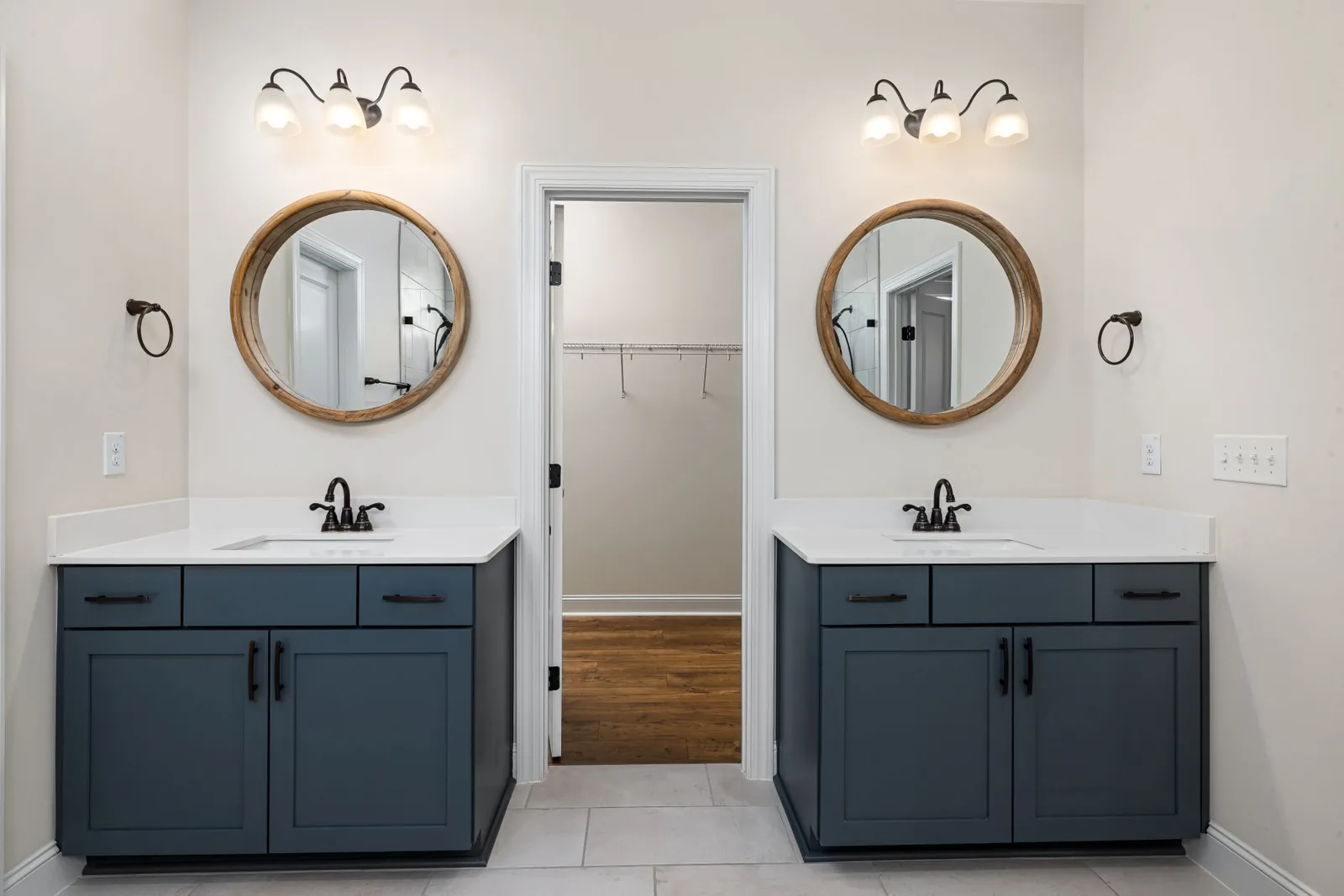
Photo by Curtis Adams via Pexels
How to Save Money on a Bathroom Vanity
You don’t have to buy the cheapest vanity on the shelf to come in under budget. A few targeted moves keep costs down while protecting quality.
- Buy a stock vanity and upgrade the top. A $400 cabinet with a $600 quartz top often looks and performs like a $1,500 semi-custom unit.
- Check big-box clearance sections and online overstock for returns at 30–50% off.
- Install it yourself if plumbing lines and drains don’t need to move; a competent DIYer can hang a freestanding vanity in an afternoon and save $200 to $500 in labor.
- Keep the faucet. If your existing faucet is in good shape, reuse it and skip the $100 to $400 replacement.
- Skip the double vanity. A single 48-inch vanity with a large single sink can serve two people for far less than a 72-inch double.
For a sense of how the vanity fits into the per-square-foot math of a larger project, see our breakdown of bathroom remodel cost per square foot.
Frequently Asked Questions
How much should I budget for a bathroom vanity?
Plan on $300 to $1,500 for a stock vanity with installation, $900 to $3,500 for semi-custom, and $2,500 to $7,000 or more for a fully custom unit. Most homeowners spend $1,000 to $2,000 all in.
Does a new vanity increase home value?
A dated vanity drags down a bathroom’s appeal, and an updated one is one of the cheapest visible upgrades you can make. You won’t recover a $5,000 custom unit dollar for dollar, but a clean $1,200 semi-custom vanity in a refreshed bath typically pays for itself at resale.
Is it cheaper to buy a vanity with the top included?
Usually, yes. Bundled vanities save you the cost of separate fabrication and often include the sink, so a $700 unit with top and sink included beats a $500 cabinet plus a $400 fabricated top and a $150 sink.
Can I install a bathroom vanity myself?
Yes, if the plumbing lines and drain stay put. Replacing a like-for-like vanity is a one-day DIY job. Moving supply lines, drains, or adding blocking for a floating unit is better left to a plumber and can add $300 to $800 in labor.
How long does a bathroom vanity last?
A well-built plywood vanity with solid-wood doors lasts 20 to 30 years or more. A particleboard stock unit in a humid bathroom may start showing swelling and loose hinges in 5 to 10 years.
For pricing and install details, Bob Vila breaks down bathroom vanity costs.
If you’re doing the whole room, compare the bathroom remodel cost and the walk-in shower cost.
The Bottom Line
Bathroom vanity cost breaks down into a simple decision: spend $1,000 to $2,000 on a quality semi-custom unit and you’ll get a cabinet that lasts decades and looks great doing it; spend less and you’ll replace it sooner. Whatever you choose, buy the best cabinet box and hardware your budget allows, then save on the top and faucet if you need to trim. Finish the look with the right tile and fixtures—our guide to shower tile ideas is a good next stop—and you’ll have a bathroom that feels custom without the custom price tag.