Walk In Shower vs Bathtub: Which Is Right for Your Bathroom Remodel?
The walk in shower vs bathtub question is usually the first decision homeowners hit when they start planning a bathroom remodel. It sets the budget, shapes the layout, and determines how the room works every single morning for the next ten or twenty years. Get it wrong and you will either overpay for a feature you rarely use or tear out a bathtub that the next buyer insists on having.
There is no universal right answer. The better choice depends on how you use the room, who lives in the house, how long you plan to stay, and what homes in your neighborhood sell with. This guide breaks down the real numbers and trade-offs so you can decide with your eyes open rather than following a trend.
Before you commit to either option, it helps to know what the full project will cost. Our guide to bathroom remodel cost walks through the line items most homeowners forget to budget for.
Walk In Shower vs Bathtub: Real Costs Compared
Cost is the place most people start, and the spread is wider than many expect because both options run the full range from basic to custom.
A straightforward walk-in shower with a prefabricated acrylic or fiberglass base and glass door typically lands between $4,500 and $8,000 installed. If you want a fully tiled, custom shower with a bench, niche, rainfall head, and frameless glass, expect $10,000 to $15,000 or more. According to Angi, the national average for a shower installation sits around $8,500, but labor-heavy tile work in an older home pushes the top of that range quickly.
A bathtub replacement is generally cheaper at the entry level. A basic acrylic alcove tub with surround installed runs $1,500 to $5,000, while a freestanding soaking tub or a jetted tub can reach $7,000 to $12,000 once you factor in plumbing changes and flooring. Converting a tub to a walk-in shower meanwhile costs $3,000 to $15,000 depending on whether you are doing a budget insert or a gut-and-tile job.
| Feature | Walk-In Shower | Bathtub |
|---|---|---|
| Typical installed cost | $4,500–$15,000 | $1,500–$12,000 |
| Water use (typical) | ~17 gallons per 8-minute shower | 35–50 gallons per fill |
| Cleaning effort | Squeegee + weekly wipe-down | Tub-ring scrubbing, larger surface |
| Accessibility | Step-free entry, best for aging in place | High step-over, needs grab bars |
| Space required | Fits a 36″ x 36″ footprint | Standard alcove tub is 60″ wide |
| Family use | Awkward for bathing small kids | Best for bathing kids and pets |
| Resale appeal | Strong in primary and guest baths | Expected in at least one full bath |
If your goal is to keep the budget down, a prefab shower insert is the single biggest cost lever you can pull. A detailed breakdown of options is in our walk-in shower cost guide.
Resale Value: What Home Buyers Actually Want
Here is where the conventional wisdom gets a little more nuanced. It is often claimed that a home must keep a bathtub to sell, but the data does not fully support that blanket rule.
What most real estate agents actually advise is keeping at least one bathtub somewhere in the house — not necessarily in the master bathroom. Families with small children want a tub for bathing toddlers, and some buyers simply like the idea of a soak even if they rarely take one. If your home has two or more full bathrooms and you remove the tub from only one of them, you are unlikely to hurt resale value and may even help it.
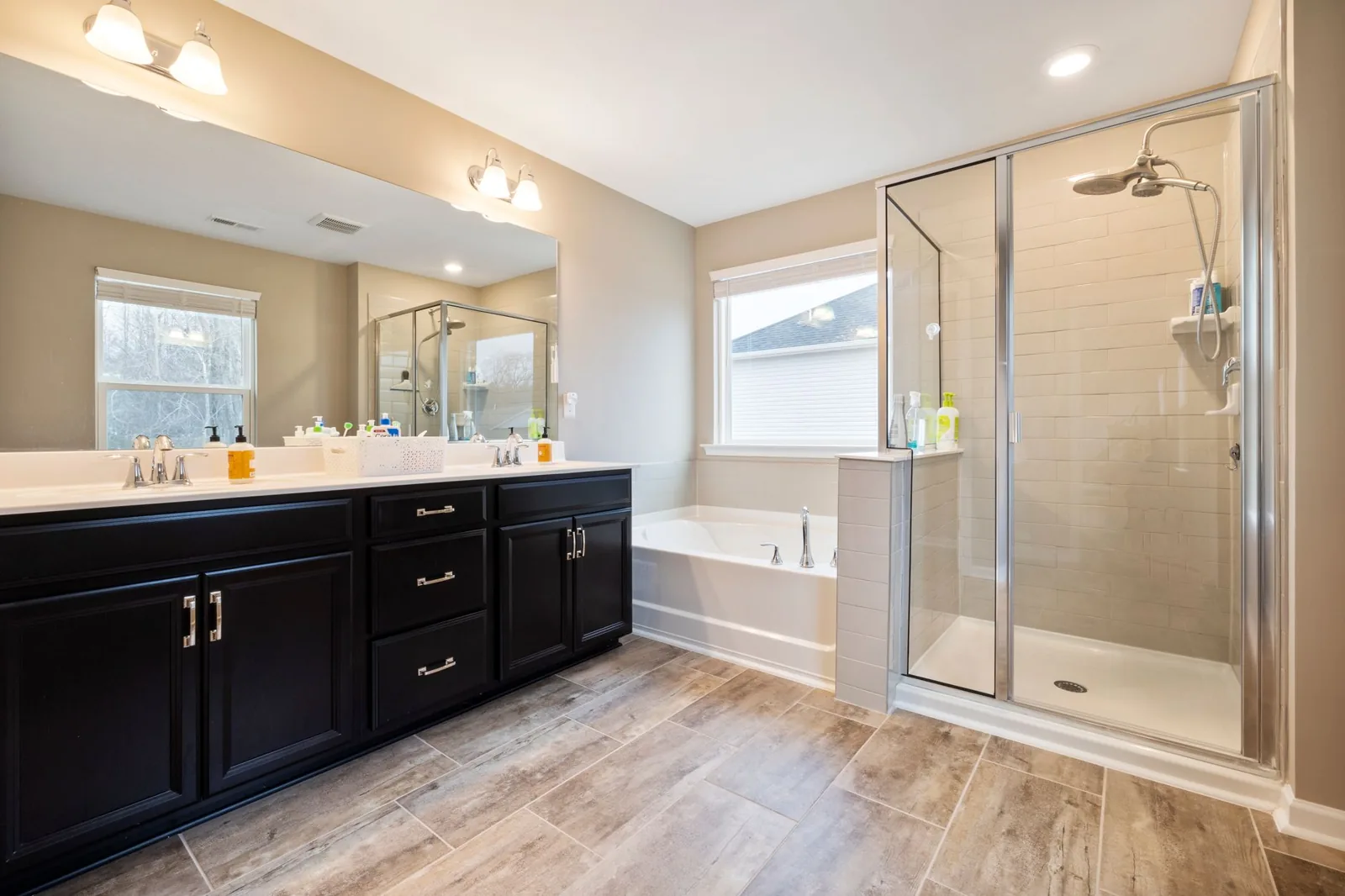
The master bathroom is a different story. Across most markets, buyers increasingly prefer a spacious walk-in shower in the primary suite because that matches how adults actually bathe day to day. A This Old House review of master bath trends points to the large, barrier-free shower as one of the most requested features in mid-range remodels. The guest or hall bathroom, by contrast, is where the tub earns its keep.
If you have only one full bathroom, think hard before removing the only tub. You shrink your buyer pool the moment a young family or a dog owner walks through. When in doubt, the safer play is to keep the tub in a single-bathroom home or install a tub-shower combo that gives you both.
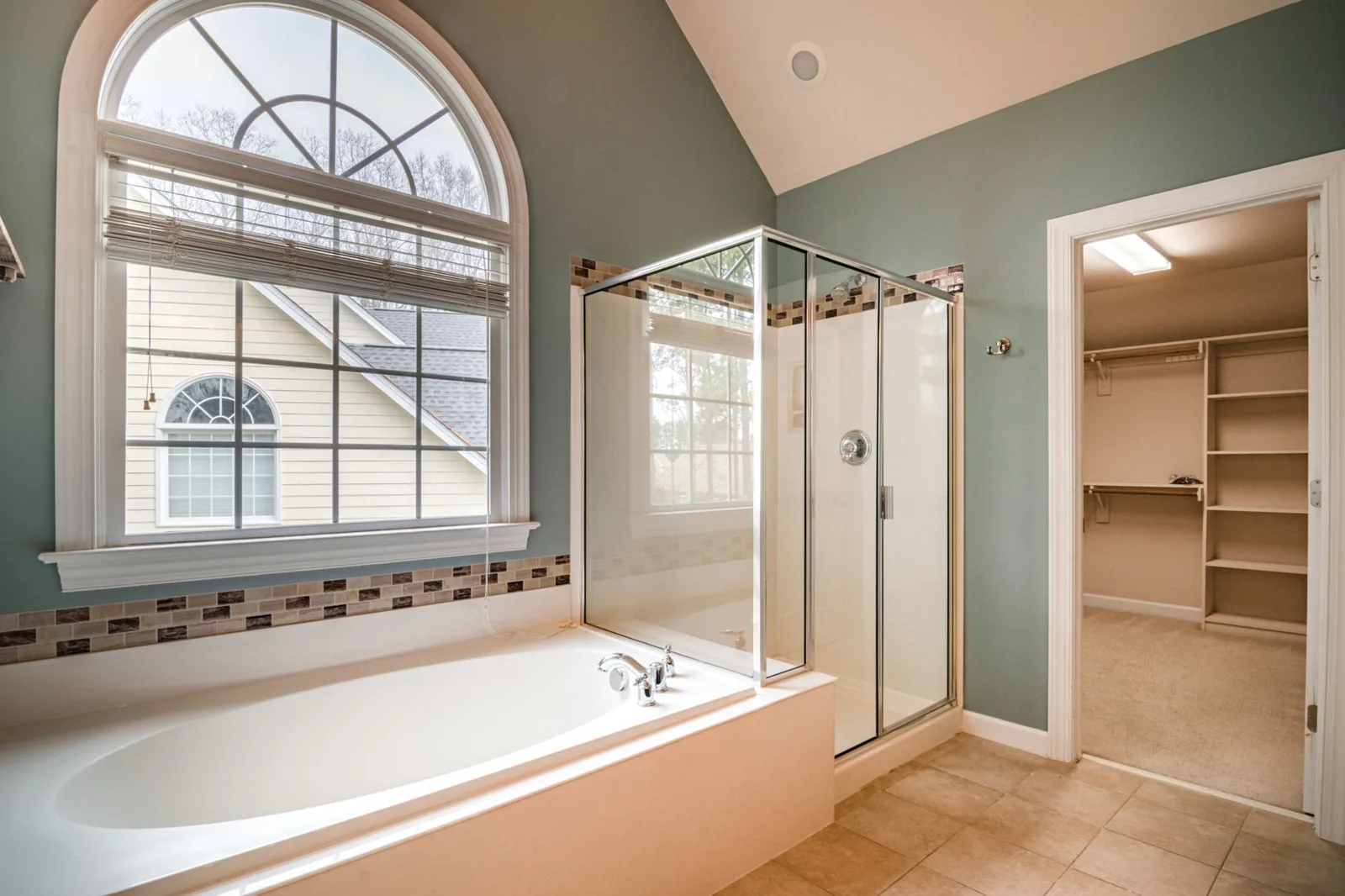
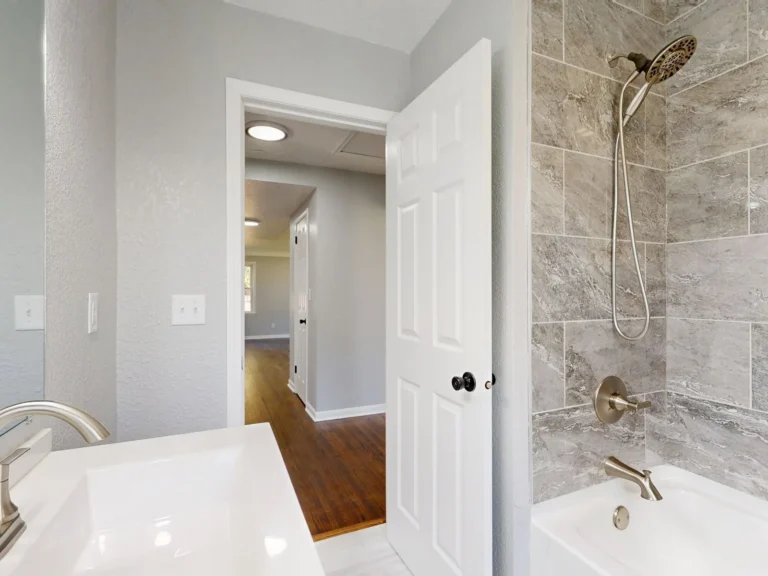
Photo by Curtis Adams via Pexels
Everyday Use, Cleaning, and Maintenance
The walk in shower vs bathtub decision is ultimately about how you actually live, not how you imagine living after a renovation.
A walk-in shower wins on daily convenience for most adults. You step in, shower, and step out — no swinging a leg over a 15-inch wall, no curtain sticking to your leg, and no standing water to wipe down. Showers also encourage shorter, more efficient bathing, which is easier on a tank water heater and on a water bill. A standard 2.1-gallon-per-minute showerhead uses roughly 17 gallons over an eight-minute shower, while filling a tub takes 35 to 50 gallons.
Bathtubs win on the bathing side of the equation. They are the only practical way to bathe a baby or a toddler, and they give you the option of a long soak after a workout or on a cold night. Plenty of adults swear by an evening bath for recovery and stress, even if they shower most mornings.
Maintenance tilts toward the shower, but only slightly. A tiled shower has grout lines that need sealing and occasional scrubbing, plus glass that shows hard-water spots. A bathtub has more surface area and that classic ring to deal with. Neither is hands-off, but a squeegee hung in the shower takes care of 90 percent of the daily work.
Accessibility and Safety Considerations
If you plan to stay in the home as you get older, this section probably decides the whole question for you.
A walk-in shower with a curbless or low-curb entry is the single safest bathing setup for anyone with limited mobility. There is no wall to climb over, and it is easy to add a built-in bench, a handheld showerhead, and grab bars. These features are also what an occupational therapist will recommend after a hip or knee replacement. Even if you are healthy today, building a barrier-free shower now is far cheaper than retrofitting one after a fall.
Bathtubs are a real fall risk for older adults. Stepping over the rim while wet and barefoot is one of the most common causes of bathroom injuries, and the only way to make a tub safer is with grab bars, a transfer bench, and a non-slip mat — all of which are workarounds rather than fixes. For aging-in-place remodels, most remodelers in the United States now default to a walk-in shower in at least one bathroom.
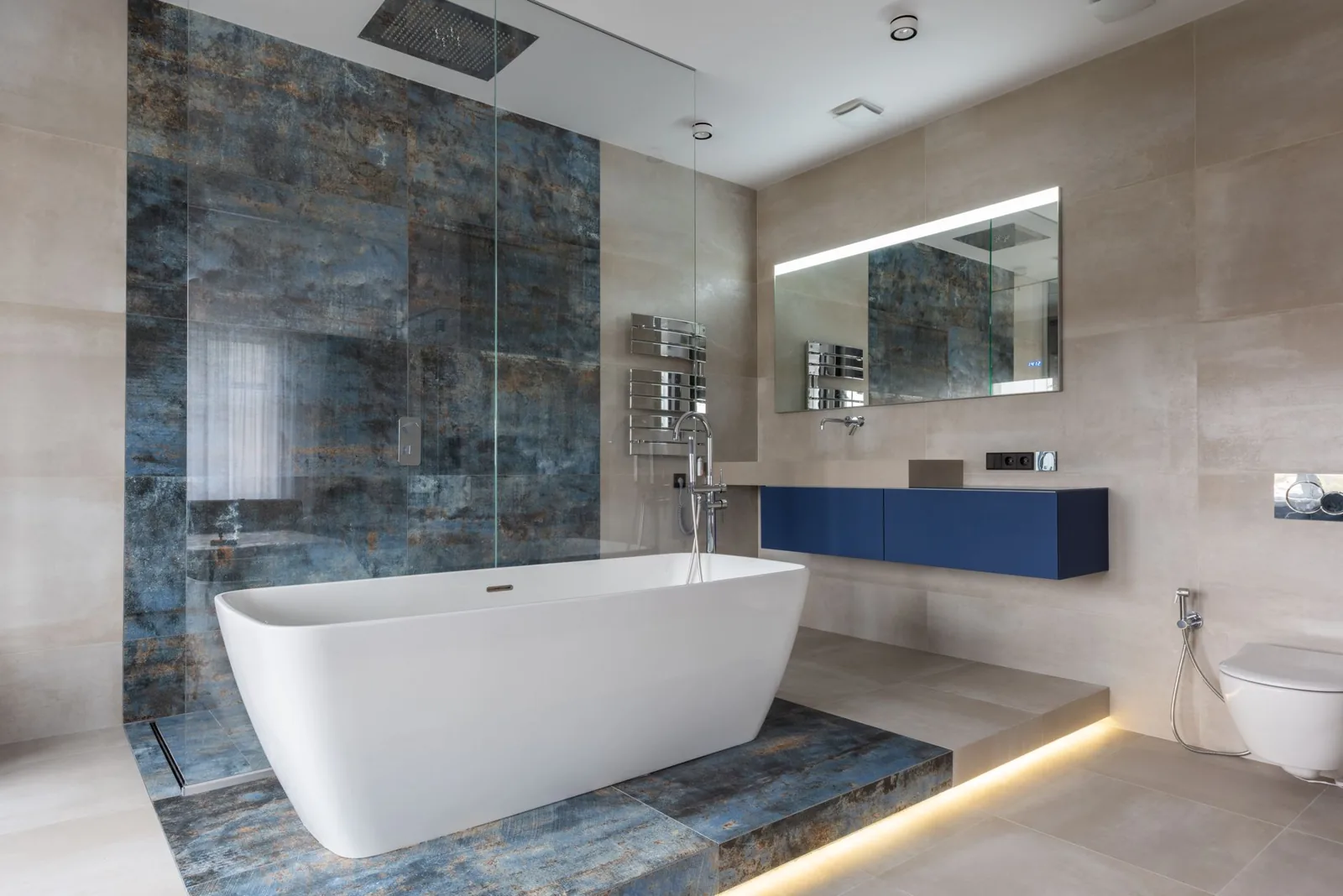
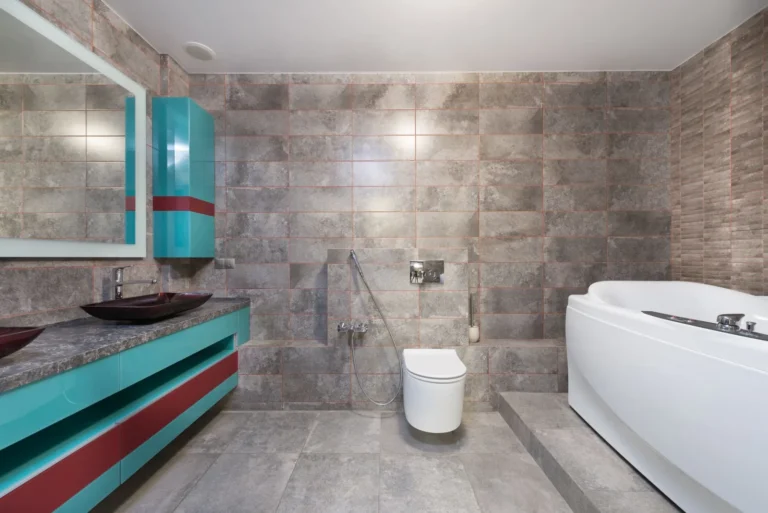
Photo by Max Vakhtbovych via Pexels
Space, Layout, and Plumbing Requirements
The physical footprint of each option matters more than people expect, especially in older homes.
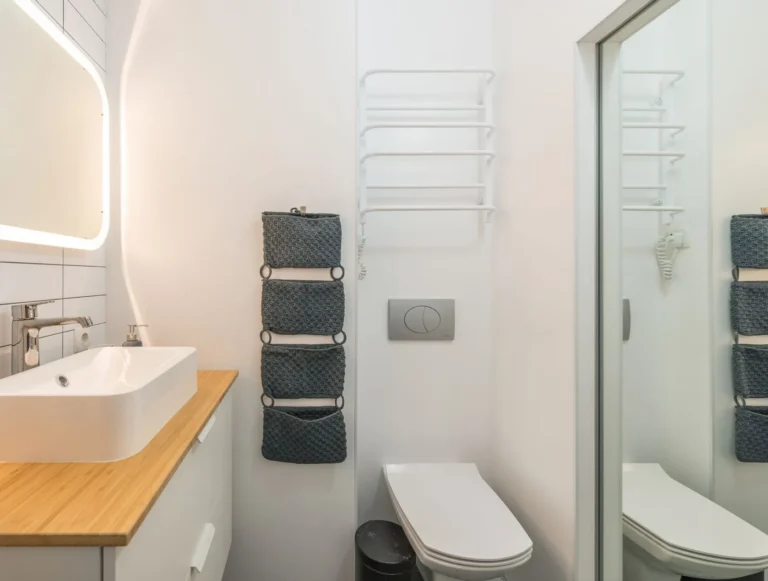
A walk-in shower is the more flexible option in a tight space. A compact shower can fit into a 36-inch by 36-inch corner and still feel comfortable, and a threshold-free design can make a small bathroom feel larger by removing the visual bulk of a tub. That is one reason showers dominate in master baths and in older homes with small bathrooms.
A standard alcove bathtub needs a 60-inch run of wall — basically five feet — plus the surrounding enclosure. In a bathroom smaller than about five feet wide, a full tub simply may not fit without stealing space from the vanity or the toilet. Freestanding tubs need even more room around all four sides for cleaning and access.
Plumbing is another consideration. Converting a tub to a shower usually means relocating the drain from one end of the footprint to the center and raising the water lines for a showerhead at a comfortable height. Converting a shower to a tub means running a larger drain line in many cases. Neither is a dealbreaker, but both add cost, which is why bathroom remodel cost per square foot is a useful number to know before you frame the job.
Design Options for Both
Both options offer far more design range than the basics suggest, which means you do not have to sacrifice style either way.
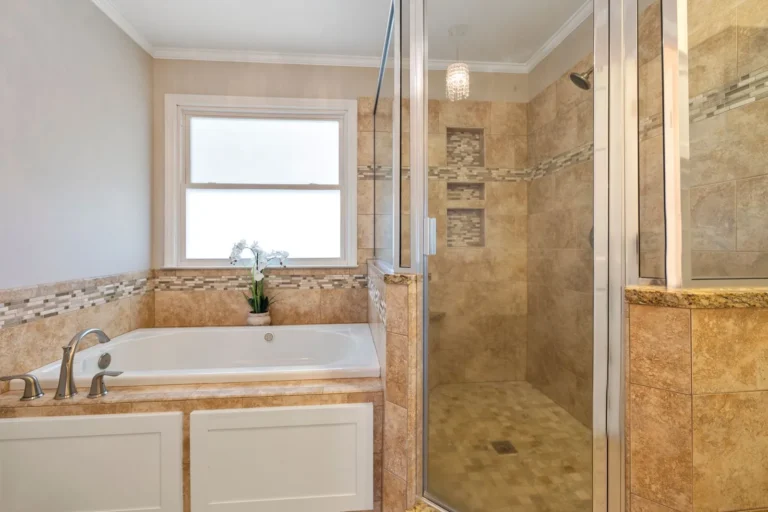
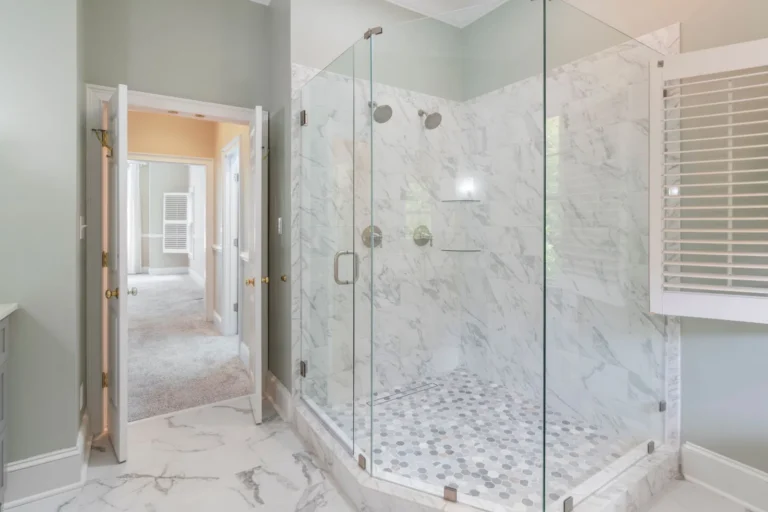
For walk-in showers, the big decisions are tile, glass, and hardware. Large-format porcelain tile cuts down on grout lines and looks clean, while penny tile on the floor adds grip. Frameless glass doors open up the room visually, and a built-in niche keeps shampoo off the floor. If you want ideas before you pick materials, our shower tile ideas roundup shows what each style looks like installed.
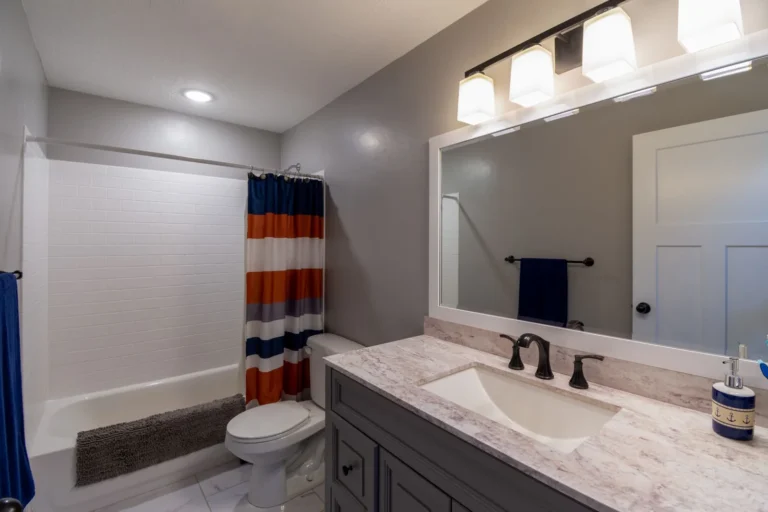
For bathtubs, the choice is generally between an alcove tub that doubles as a shower base and a freestanding tub that becomes the room’s focal point. Alcove tubs win on practicality and cost. Freestanding tubs win on looks but cost more and require a floor-mounted filler, which adds plumbing work. Ultimately, the tub you choose should reflect how often someone will actually soak in it — not just how it photographs.
Frequently Asked Questions
Is it better to have a walk-in shower or a bathtub?
For most adults who shower daily, a walk-in shower is the better fit. It costs less to run, is easier to clean, and is much safer as you age. A bathtub is only the better choice if someone in the home regularly takes baths or needs to bathe young children.
Does removing a bathtub hurt resale value?
Only if it leaves the home with no tub at all, or if the home has a single full bathroom. Keeping at least one tub somewhere in the house preserves the broadest buyer pool. A walk-in shower in the master bath, added or retained, usually helps rather than hurts resale.
How much does it cost to replace a tub with a walk-in shower?
A tub-to-shower conversion typically runs $3,000 to $15,000. A basic acrylic insert sits at the low end, while a fully tiled custom shower with glass, a bench, and a niche lands at the high end.
Do walk-in showers use less water than bathtubs?
Usually, yes. An eight-minute shower with a 2.1-gallon-per-minute head uses about 17 gallons, while a bathtub fill uses 35 to 50 gallons. Showers only lose that advantage if you stand under the water for a very long time.
Can I have both a walk-in shower and a bathtub?
Yes, and this is the setup many larger bathrooms use: a walk-in shower in the master suite and a tub (or tub-shower combo) in a hall or guest bath. It gives you daily convenience and preserves the resale flexibility that a tub provides.
For resale-value and accessibility guidance, Bob Vila compares walk-in showers vs. bathtubs.
The Bottom Line
The walk in shower vs bathtub decision comes down to three things: how you bathe, who lives in the house, and how long you plan to stay.
If you shower every day, want the safest possible setup, and have another bathtub elsewhere in the home, a walk-in shower is almost always the right call — and the U.S. Department of Energy notes that shorter showers are also the more water-efficient habit for most households. If you have kids or dogs, only one full bathroom, or someone in the family who genuinely loves a soak, keep the tub.
When you are ready to move forward, start with a realistic budget using our bathroom remodel cost breakdown, then line up at least three quotes from local licensed plumbers and tile installers. The right answer is the one that fits the way you actually live — not the one that photographs best on a design site.