Shower Remodel Cost: What You’ll Pay in 2026
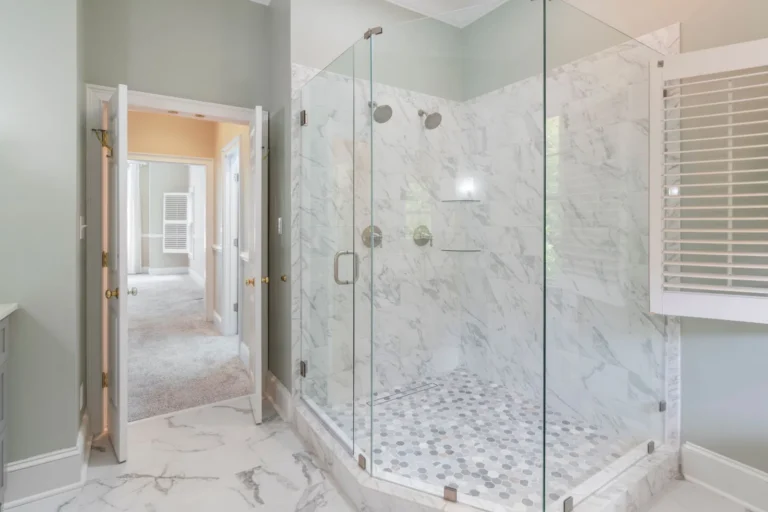
The average shower remodel cost in the United States lands between $2,500 and $15,000, with most homeowners spending around $8,000 for a standard 3-by-5-foot alcove shower with solid surrounds and a new fixture set. At the low end, you can swap a tired fiberglass unit for about $1,200. At the high end, a custom tile walk-in with a frameless glass door and multiple shower heads can push past $25,000.
Where you fall on that spectrum depends almost entirely on three things: the size and layout of the space, the materials you pick, and whether you hire a contractor or do the work yourself. The good news is that a shower remodel is one of the better-returning bathroom projects you can take on, often recouping 50% to 70% of its cost in resale value according to Remodeling magazine’s Cost vs. Value report — and it’s a daily-quality-of-life upgrade you’ll notice every single morning.
How Much Does a Shower Remodel Cost?
Before you start tearing out tile, it helps to anchor the numbers in something concrete. Contractors and cost estimators typically break shower work into a few tiers based on scope, not just geography.
- Cosmetic refresh: $1,200 to $3,500. New fixtures, a re-caulked and re-grouted surround, a fresh showerhead, maybe a glass door replacement. The existing enclosure stays put.
- Mid-range replacement: $4,000 to $9,000. A new acrylic or fiberglass surround (or budget tile), a new valve and trim kit, and a basic framed glass door. This is the most common project.
- Upscale tile remodel: $9,000 to $18,000. Full tile walls, a custom shower pan, niche shelving, and a frameless or semi-frameless door.
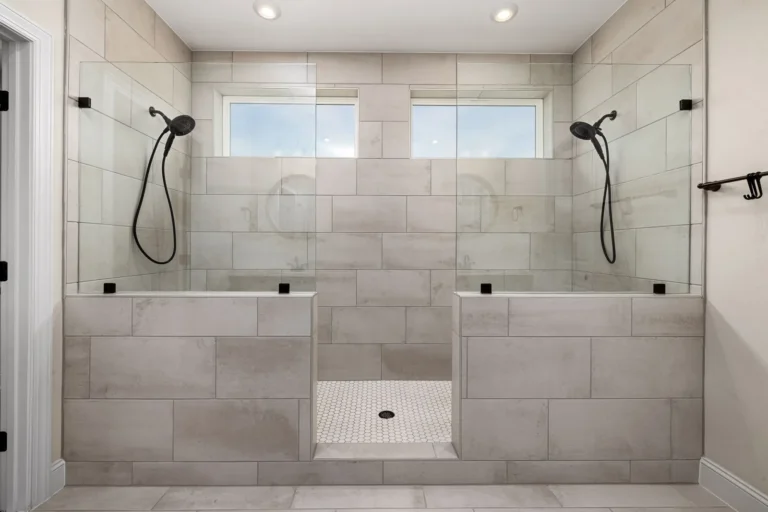
- Luxury walk-in: $18,000 to $35,000+. Curbless entry, linear drains, body sprays, a rain head, bench seating, and heated floors.
These figures are national averages. Labor in a major metro like New York or San Francisco can run 40% to 60% higher than the same job in a smaller market, which is why local quotes matter more than national round numbers.
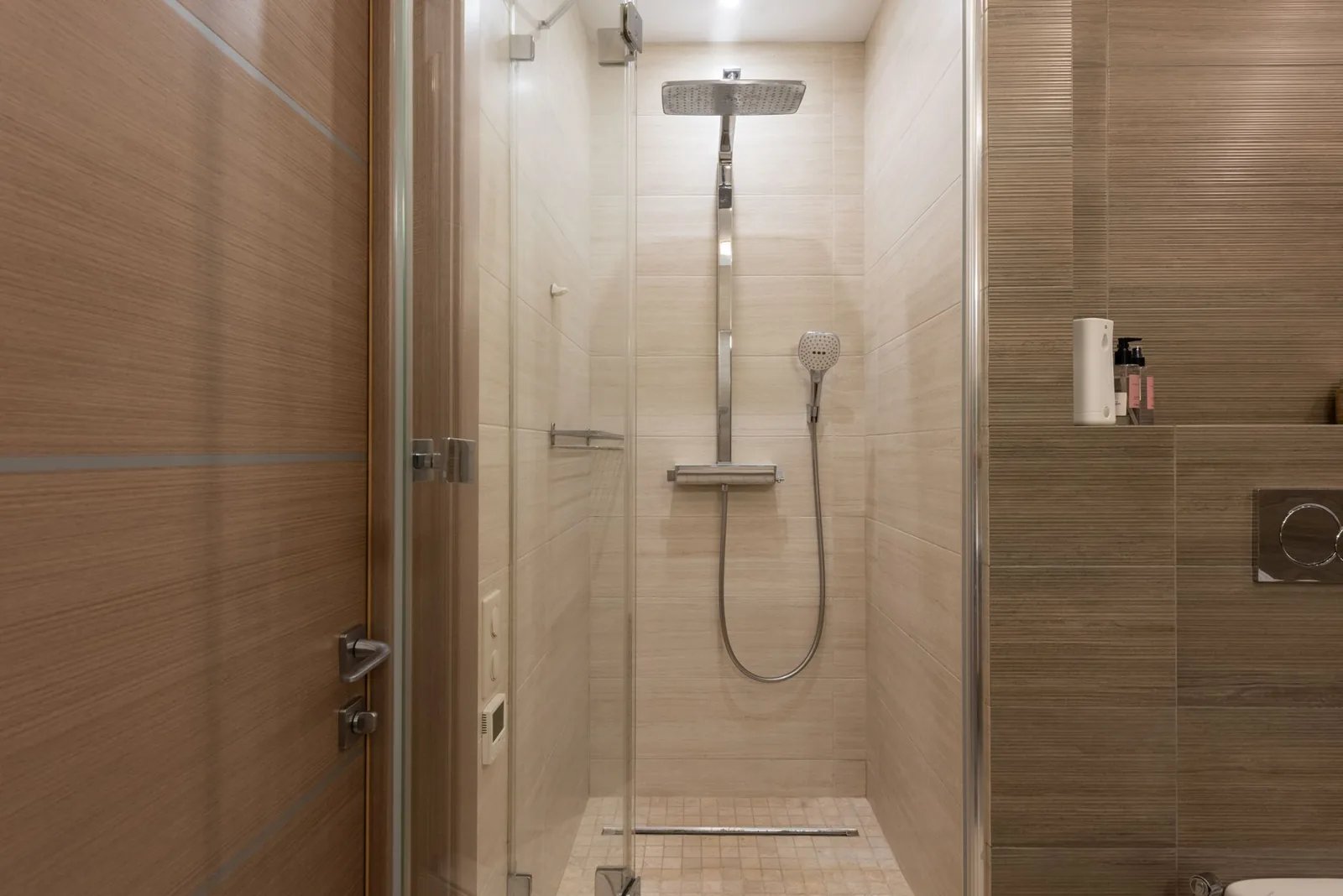
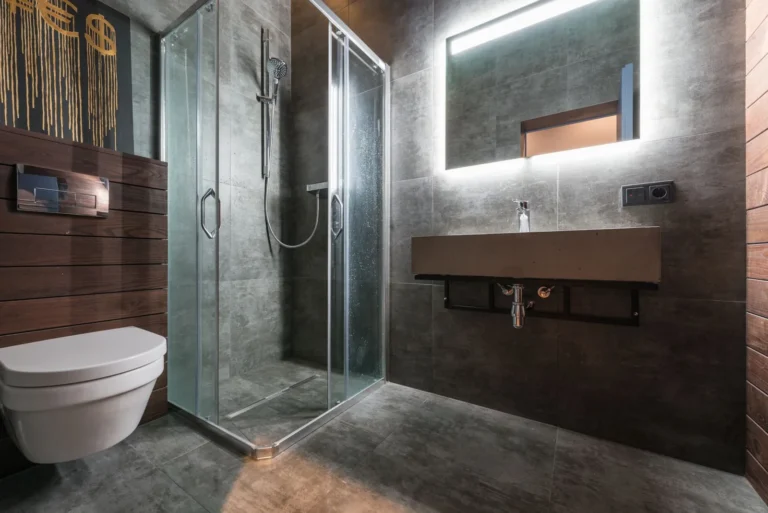
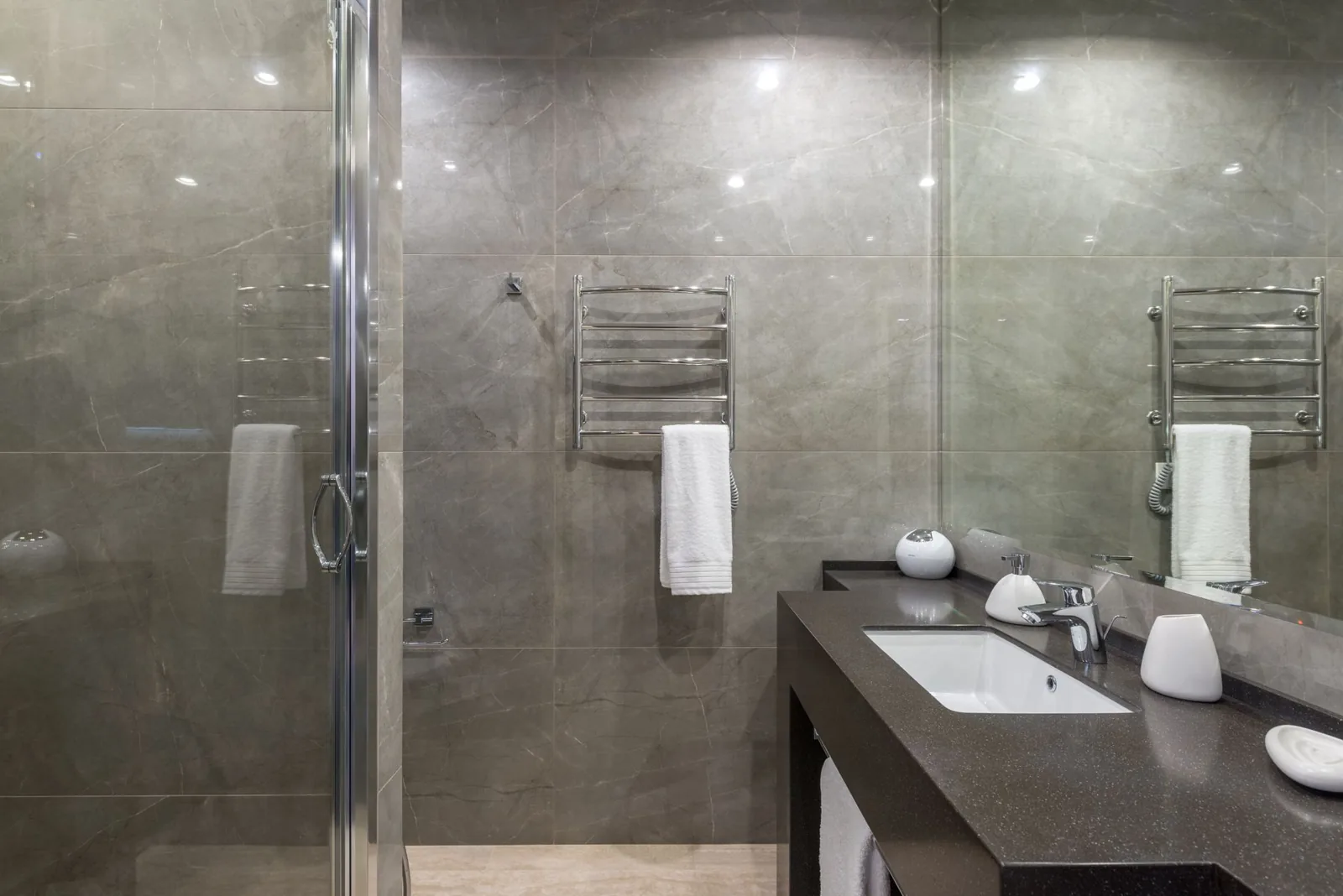
Photo by Max Vakhtbovych via Pexels
Shower Remodel Cost by Type
Not all showers are created equal, and neither are their price tags. Here’s how the most common configurations stack up.
| Feature | Alcove Shower | Walk-In Shower | Tub-to-Shower Conversion |
|---|---|---|---|
| Typical cost | $2,500–$8,000 | $7,000–$18,000 | $6,000–$14,000 |
| Footprint | 3-ft x 5-ft standard | Larger, often curbless | Replaces existing tub |
| Best for | Kids’ / guest baths | Aging in place, resale | Updating a dated full bath |
| Demo & prep | Minimal, drops into alcove | Often requires moving plumbing | Includes tub removal & drain work |
An alcove shower sits in a three-walled recess designed for a standard tub or shower, so installation is straightforward and cheap. A walk-in shower is its own animal: no tub, a wider footprint, and usually a curbless or low-curb entry that requires more waterproofing and plumbing work. A tub-to-shower conversion is the most popular remodel in older homes because it modernizes the space and improves accessibility, but you pay for the demolition and drain reconfiguration.
If you’re weighing whether to keep the tub at all, our guide to the walk-in shower vs. bathtub decision walks through the trade-offs in detail.
Shower Remodel Cost by Material
The material on your walls does more than set the look — it’s often the single biggest cost line after labor. Each option carries clear price and maintenance implications.
- Acrylic and fiberglass ($400–$1,200 for materials). The cheapest and fastest to install. Pre-fabricated panels go up in a day, never need grout, and resist mildew. The downside is that they look plastic and can flex or yellow over a decade.
- Ceramic or porcelain tile ($600–$2,500 for materials plus labor). The most common upgrade. Tile is durable, waterproof when properly set, and offers endless style. Expect $8 to $25 per square foot installed for the tile itself, plus setting materials and grout.
- Natural stone and marble ($1,500–$6,000+ for materials). Gorgeous and durable, but porous, so it needs sealing once or twice a year. Slab-look large-format pieces cost more, and installation labor runs higher because the material is heavier and harder to cut.
- Solid-surface and composite panels ($800–$2,200 for materials). A middle ground between cheap acrylic and pricier tile. Panels have few or no grout lines, which means less scrubbing and fewer spots for mold.
Glass is its own budget line. A basic framed glass door runs $400 to $800, while frameless or semi-frameless glass runs $900 to $2,500 installed, depending on thickness and hardware finish.
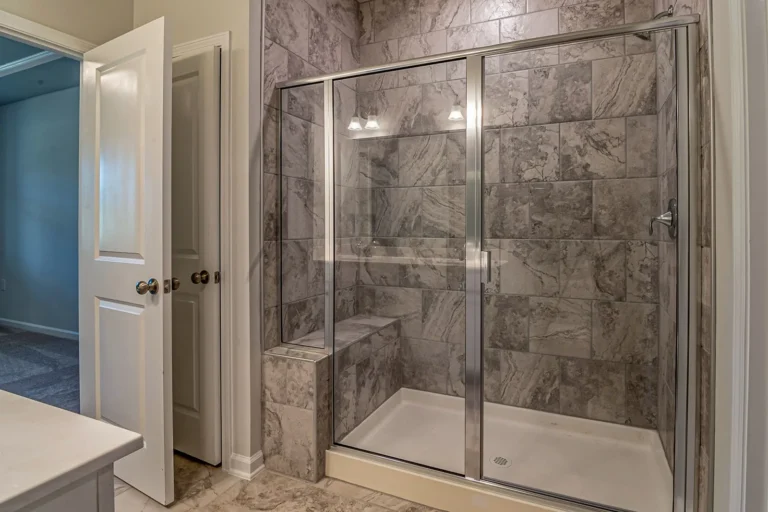
Photo by Alley Chien via Pexels
Labor vs. Materials: Where the Money Goes
A common mistake homeowners make is underestimating labor. On a typical $8,000 shower remodel, only about 35% to 45% goes to physical products. The rest pays for skilled trades: plumbing, waterproofing, tile setting, glass installation, and the demo crew hauling away the old surround.
Labor typically breaks down like this:
- Plumbing: $800 to $2,500. Moving or replacing a valve, repositioning the drain, or relocating a supply line for a new showerhead configuration.
- Tile setting: $800 to $2,800. Roughly $10 to $20 per square foot for labor alone, more for mosaic accents or intricate layouts like herringbone or vertical stack.
- Waterproofing: $200 to $600 in materials plus labor. This is the step you never see but should never skip — a properly sloped pan and sealed seams protect the framing and floor below.
- Glass door: $400 to $2,500. Frameless costs more but reads as higher-end and is easier to keep clean.
- Demo and haul-away: $300 to $800. Tearing out old tile or a fiberglass unit and disposing of it.
If your shower remodel touches the surrounding bathroom, check out our full bathroom remodel cost breakdown so you can budget for the whole room, not just the stall.
What Drives Shower Remodel Cost Up or Down
If your first quote comes in higher than the national average, it’s usually for defensible reasons. The factors below move the needle more than any single finish choice.
- Plumbing changes. Reusing the existing drain and valve location is cheap; moving either one is not. Every foot of relocated drain line adds labor and risk.
- Curbless entry. A curbless (barrier-free) shower requires lowering or reinforcing the subfloor to slope the pan properly — often $1,500 to $3,000 more than a curbed pan.
- Number of showerheads and valves. A rain head plus a handheld wand needs a diverter and sometimes a second valve, and body sprays each require their own supply line.
- Waterproofing method. A modern waterproofing system like Schluter-Kerdi or Wedi board runs more upfront than a basic membrane but resists failure longer — worth it if the shower sits on a second floor.
- Access and location. A shower on an upper level or in a home with a slab foundation can require cutting into concrete or drywall in the room behind it, adding hundreds in repair costs.
- Permit and inspection fees. Most jurisdictions require a permit for any plumbing work ($50 to $500), and some inspection offices also charge for rough-in and final checks.
Where homeowners often overspend is on markup-heavy upgrades — a rainfall showerhead system, bench seating, or a built-in niche — that add labor without a matching resale return. Add them if you’ll use them daily; skip them if the goal is purely investment.
DIY vs. Hiring a Pro
Ripping out a shower and rebuilding it is not a beginner weekend project, but it’s also not out of reach for a patient DIYer with tiling experience. The math is compelling: doing the work yourself can cut your total shower remodel cost by 40% to 60%, since labor is the biggest line item.
What a careful DIYer can realistically handle:
- Risk is low: swapping fixtures, re-caulking, replacing a framed glass door, installing a prefabricated acrylic surround kit.
- Risk is moderate: setting tile over a properly waterproofed membrane, building a shower niche, installing a linear drain.
- Risk is high: any work that moves supply lines or the drain, curbless pan construction, and full tile enclosures on upper floors — a leak here damages the ceiling below, so it’s rarely worth the savings.
The waterproofing layer is where DIY showers fail most often. If you’re not confident you can slope the pan and seal every corner, a contractor’s $6,000 to $10,000 labor charge is cheap insurance against a $20,000 rot repair later. You can also split the difference: hire a plumber for the rough-in and hang the tile yourself. For more on trimming the overall tab, see our bathroom remodel ideas on a budget.
According to Angi, the national average for a shower remodel falls in the $3,500 to $10,000 range depending on materials, which matches the tiers above and is a good independent reference point when you start collecting quotes.
Frequently Asked Questions
How long does a shower remodel take?
A straightforward alcove replacement or prefabricated surround takes 2 to 3 days of active work. A full tile remodel with a custom pan and glass door typically runs 1 to 2 weeks, allowing time for waterproofing to cure and grout to set before the glass is installed. Add a few extra days if drywall repair or flooring work spills beyond the stall.
Is a shower remodel worth the money?
Yes. Beyond the daily comfort of a clean, well-lit shower, a mid-range remodel recoups roughly 55% to 70% of its cost at resale, and a leak-free, modern shower makes a bathroom far easier to sell. A dated or cracked enclosure, by contrast, is one of the first things buyers flag.
Can I convert my tub to a shower without a full remodel?
Usually. A tub-to-shower conversion keeps the existing footprint and drain location, which means no wall or flooring work beyond the stall itself. Expect to pay $6,000 to $14,000 depending on whether you choose an acrylic system or tile, and whether the drain needs to be moved from the tub’s end to a center or linear position.
Why do walk-in showers cost so much more?
A walk-in shower typically needs a moved or enlarged drain, a larger waterproofed footprint, curbless or low-curb entry, and frameless glass — each of those adds labor and materials on top of the base alcove project. Frameless glass alone can cost $1,500 to $2,500 installed.
Does a shower remodel require a permit?
In most municipalities, any project that touches plumbing or moves a drain requires a permit and possibly an inspection. Cosmetic work — replacing a surround or swapping a fixture without changing the valve or drain — usually doesn’t. Check with your local building department before demo starts, since unpermitted plumbing work can surface later during a home sale.
The Bottom Line
Shower remodel cost is a range, not a single number: $2,500 to $15,000 for most homes, with the sweet spot around $8,000 for a quality mid-range upgrade. The most reliable way to control that number is to nail down your scope before you call contractors — decide whether you’re keeping the existing footprint, which materials you want, and whether you’ll handle the finish work yourself.
Get at least three written quotes, insist they itemize plumbing, waterproofing, and glass separately, and never let the lowest bid skip the waterproofing step to hit a price. A shower is one of the few home projects you use twice a day; spend on what you’ll see and touch, and let the rest of the budget protect what’s behind the tile.
Ready to see how a new shower fits into your whole-room budget? Start with our bathroom remodel cost per square foot guide, or compare prices on bathroom vanity cost to plan the full refresh.