Bathroom Remodel vs Renovation: What’s the Difference and Which Do You Need?
Bathroom remodel vs renovation — most homeowners use the two words as if they mean the same thing, but in the trades they describe two different jobs. The distinction isn’t pedantic. It changes your budget by thousands of dollars, your timeline by weeks, and the kind of contractor you need to hire. Getting it right before you sign anything is the single best way to avoid overpaying for a job your bathroom doesn’t need.
Here’s the short version. A renovation updates what’s already there — new vanity, new tile, fresh paint, a modern toilet — without moving walls or plumbing. A remodel changes the room itself — you tear it down to the studs, move fixtures, or alter the footprint. Both improve a tired bathroom. Only one changes how it works.
This guide breaks down the real difference, what each project costs in 2026, and how to decide which one your bathroom actually needs.
Bathroom Remodel vs Renovation: The Real Difference
The cleanest way to separate the two is to ask a single question: are you changing the layout, or just the look?
- Renovation (also called a “refresh,” “facelift,” or “updating”) restores or upgrades finishes and fixtures while the plumbing and floor plan stay put. You fix what’s worn out and swap cosmetic pieces.
- Remodel restructures the space. Walls come out, the tub moves to the other wall, the vanity relocates, a closet becomes a shower. The room’s form and function change, not just its appearance.
Think of it like this: repainting a car and reupholstering the seats is a renovation. Cutting the roof off and turning it into a convertible is a remodel.
What Is a Bathroom Remodel?
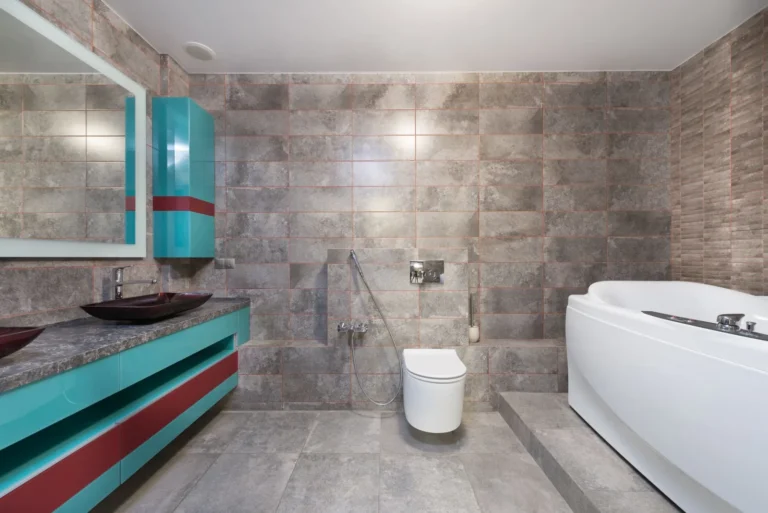
A remodel is the bigger, more invasive job. It typically starts with demolition — the old tile, drywall, and sometimes framing come out until you’re looking at studs and subfloor — then rebuilds the room in a new configuration.
Common remodel projects include:
- Moving a toilet, shower, or vanity to a different wall
- Combining a half-bath and a closet into a larger full bath
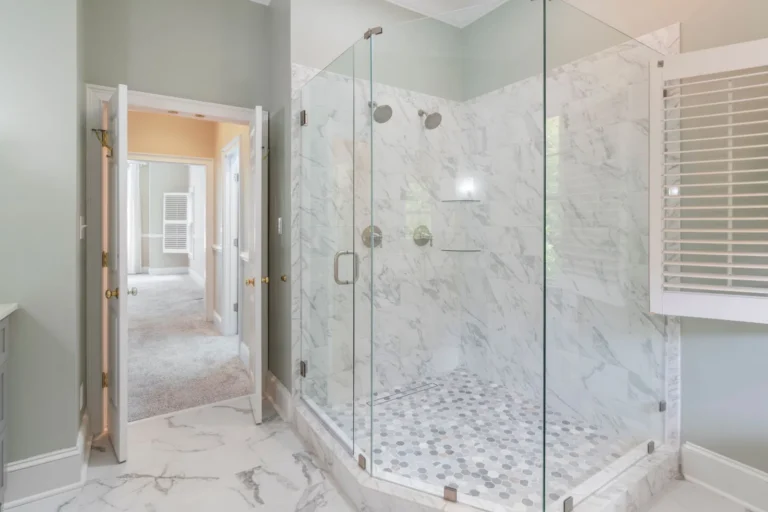
- Converting a tub to a curbless walk-in shower
- Expanding the footprint by borrowing space from an adjacent room
- Adding a window, a second sink, or a wet room where none existed
Because a remodel moves plumbing, it almost always requires moving supply and drain lines, which means opening walls and floors. That’s also why it tends to require a building permit — relocating a toilet drain usually means touching structure and plumbing that your local building department wants to inspect. Plan on a permit fee of roughly $100 to $1,000 depending on your municipality, plus the cost of drawings if the layout is complex.
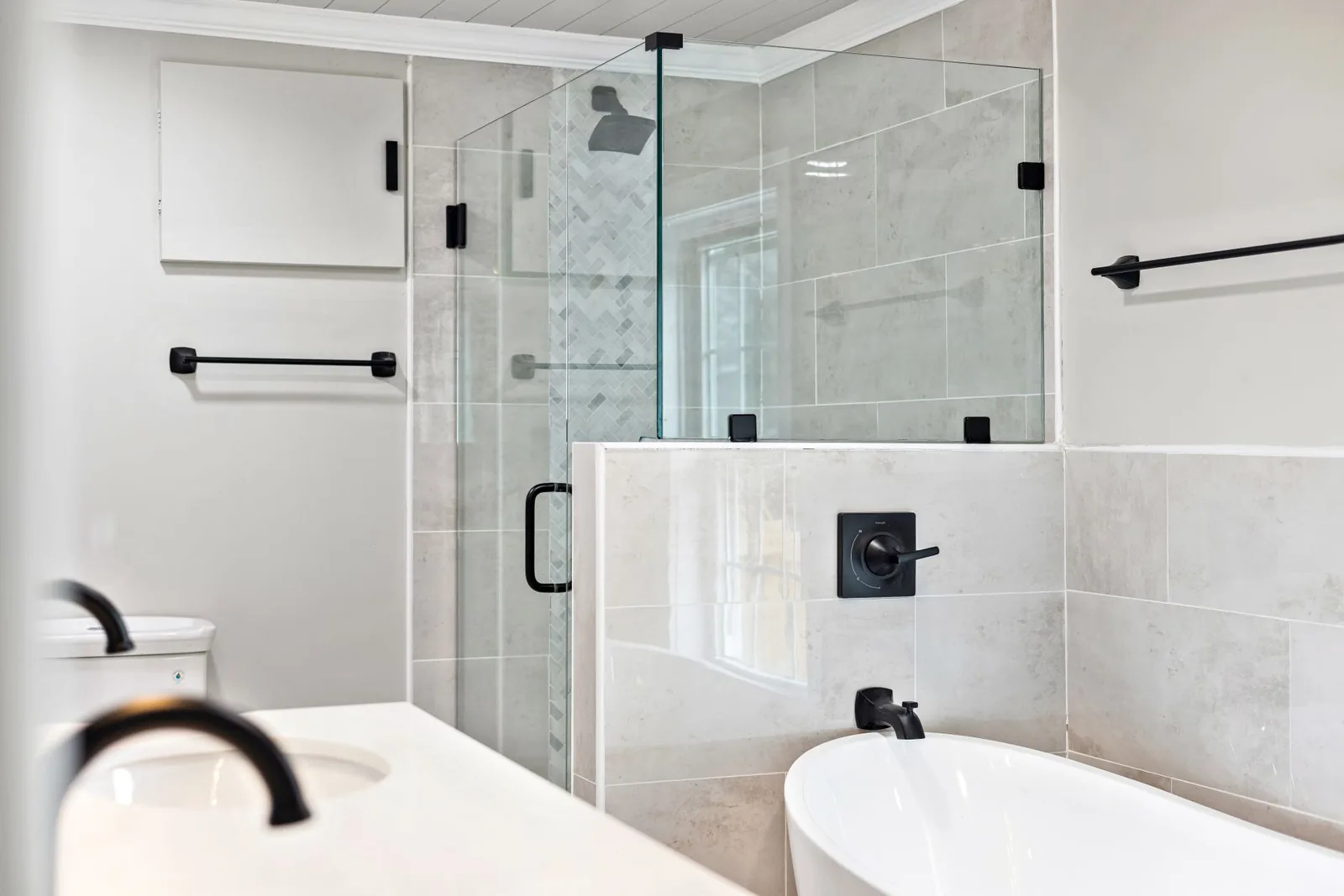
Photo by Curtis Adams via Pexels
What Is a Bathroom Renovation?
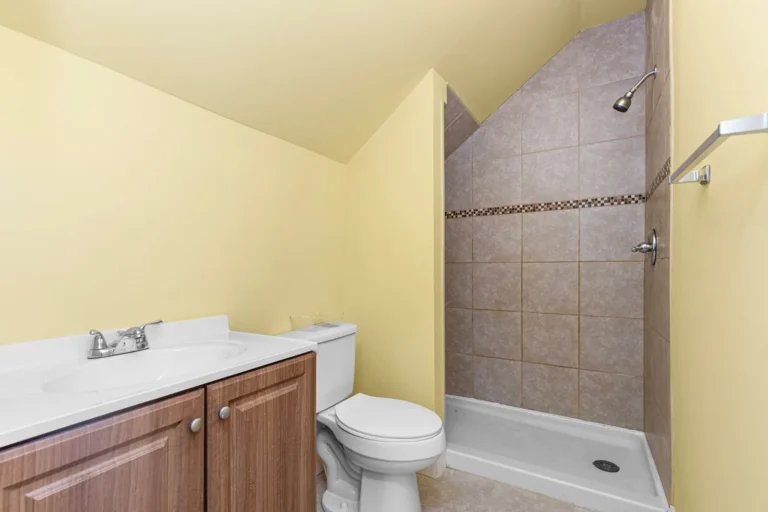
A renovation works within the existing footprint. The sink stays where it is, the shower keeps its drain, and your contractor swaps out what’s tired or dated. It’s the project most people picture when they say they want to “update” the bathroom.
Typical renovation work includes:
- Replacing the vanity, countertop, faucet, and mirror
- Re-tiling the floor and shower surround
- Installing a new toilet, exhaust fan, and light fixtures
- Repainting walls and trim
- Re-grouting or refinishing a tub instead of moving it
A renovation can still be substantial — retiling a full shower and replacing every fixture is real work — but the bones of the room don’t move. That typically means no structural permit and a shorter timeline, often one to two weeks versus three to six for a full remodel.
One warning: a renovation can quietly turn into a remodel mid-project. If your contractor pulls up the old tile and finds water-damaged subfloor, a rotting window, or a shower pan that was never properly waterproofed, the fix grows from “swap the finishes” to “rebuild the wall cavity.” That’s exactly why experienced contractors hold back 10% to 15% of the budget as a contingency before demolition starts. When the scope changes, the price and the permit requirements follow.
Remodel vs Renovation: Cost, Timeline, and Return
The cost difference is the first place people feel the two terms diverge. Here’s how the numbers land in 2026.
| Feature | Renovation (refresh) | Remodel (restructure) |
|---|---|---|
| Typical cost | $5,000–$18,000 | $12,000–$30,000+ |
| National average | ~$8,000 | ~$11,500 (midrange full bath) |
| Timeline | 1–2 weeks | 3–6 weeks |
| Plumbing moved? | No | Usually |
| Permit needed? | Rarely | Often |
| Changes room function? | No | Yes |
A cosmetic-only renovation — paint, new fixtures, a prefab vanity, and re-grout — can come in around $3,000 to $8,000. A full remodel where you move the tub and relocate the vanity runs $12,000 to $30,000 or more, because you’re paying for demolition, re-framing, new plumbing rough-in, and electrical on top of the finishes. Angi puts the average midrange full bathroom remodel around $11,500, with most jobs falling between $6,600 and $16,600.
On return, both do well, but they score differently. A straight renovation usually recoups a bigger share of its cost because you spent less upfront. A full remodel adds more absolute value and makes a poorly laid-out bathroom genuinely functional, which is what moves the needle when a buyer or an appraiser walks through. For a deeper look at the numbers behind a full project, see our bathroom remodel cost guide.
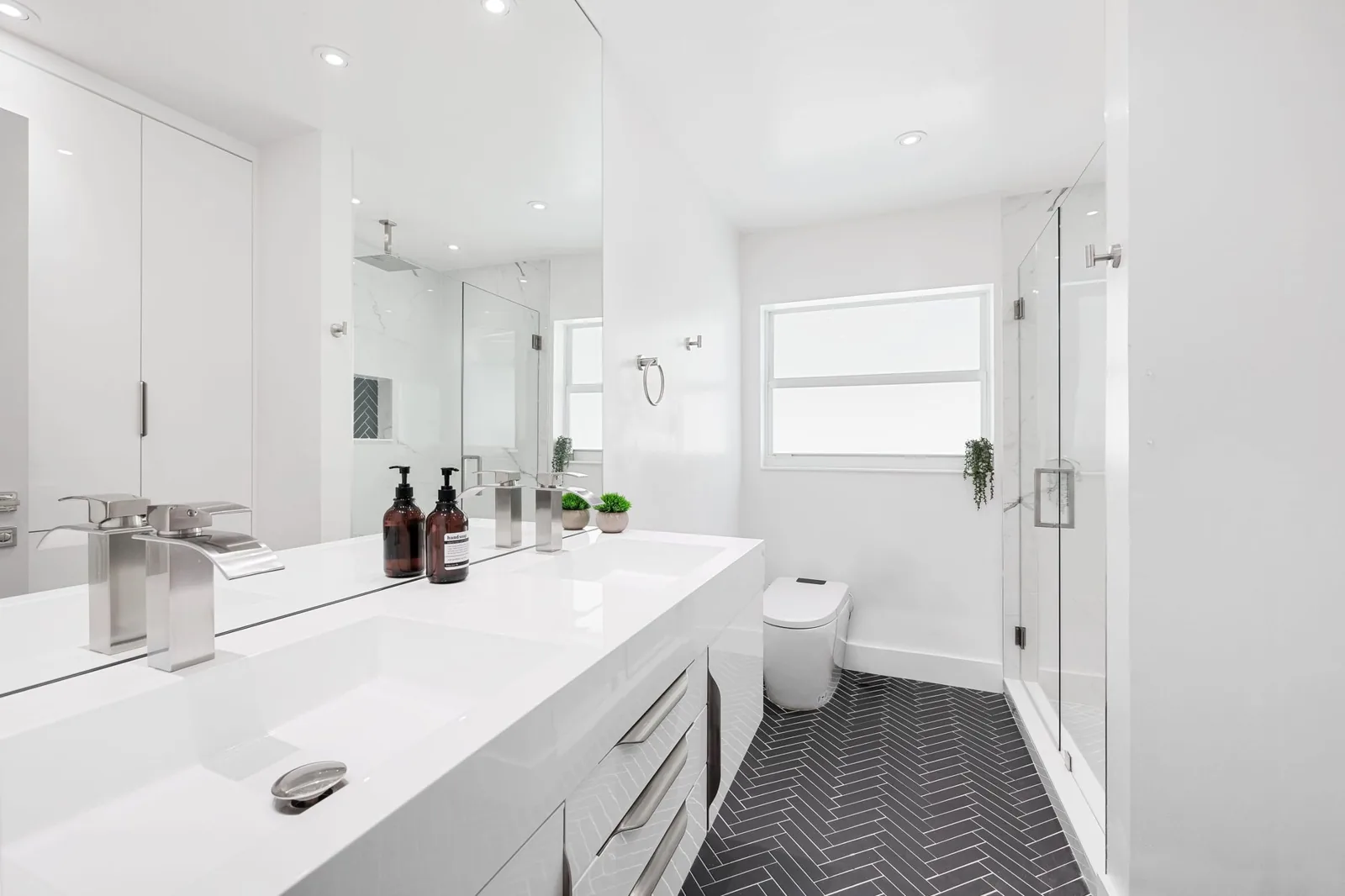
Photo by Real Estate 4k via Pexels
How to Decide: Remodel or Renovate?
Most bathrooms in an average home don’t need a full remodel. Here’s how to know which route is right for yours.
Choose a renovation if the layout works
If you can shower, use the toilet, and get ready at the sink without a fight, the room’s function is fine. A renovation gets you 80% of the “wow” for roughly half the price. New tile, a floating vanity, better lighting, and a fresh coat of paint can make a 20-year-old bathroom feel brand new — without touching a single pipe.
Choose a remodel if the layout is the problem
If you have to step around the door to open the shower, or the only storage is a medicine cabinet the size of a shoebox, no amount of new grout will fix it. Moving the toilet away from the door or converting an unused tub into a walk-in shower is a remodel, and it’s worth every dollar when the alternative is living with a room that doesn’t work.
Factor in what a future buyer sees
Both projects help resale, but a remodel changes a bathroom’s ceiling — the maximum it can ever be worth. If your home is a two-bathroom house with one outdated, awkward full bath, expanding or reconfiguring it into a proper primary bath can be the difference between a house that sells in a week and one that lingers. If you’re staying long-term, spend on what makes your mornings easier, not on what you imagine a buyer likes. Your vanity choice alone can define the whole room’s style.
Frequently Asked Questions
Is a bathroom remodel the same as a renovation?
No. A renovation updates finishes and fixtures in place, while a remodel changes the layout, moves plumbing, or alters the room’s footprint. The words get used interchangeably in conversation, but they carry different budgets, timelines, and permit requirements.
What costs more, a remodel or a renovation?
A remodel costs more. Typical renovations run $5,000 to $18,000, while full remodels that move plumbing and framing start around $12,000 and climb past $30,000. You’re paying for demolition, structural work, and new plumbing rough-in on top of the finishes.
Do I need a permit for a bathroom remodel or renovation?
A renovation rarely needs a permit — swapping fixtures, tile, and paint almost never triggers review. A remodel that moves a toilet drain, removes a wall, or alters structure almost always does. Check with your local building department before you start, since working without a required permit can complicate a future home sale.
Which adds more home value?
A full remodel adds more absolute value by improving function — a well-laid-out bathroom that works for daily life is worth more than a pretty one with a bad floor plan. But a renovation often recoups a higher percentage of its cost because the outlay was smaller. Per Remodeling’s Cost vs. Value report, a midrange bathroom remodel typically recoups around 60% to 70% at resale.
How long does each take?
A straightforward renovation usually takes one to two weeks. A full remodel averages three to six weeks, longer if you’re moving plumbing across the room or waiting on custom tile and glass.
The Bottom Line
The bathroom remodel vs renovation question really comes down to one thing: whether your problem is looks or layout. If the room is dated but functional, renovate — you’ll spend less, finish in a couple of weeks, and skip the permit queue. If the layout fights you every morning, remodel — moving a wall or a drain is the only fix that actually changes how the room lives.
Before you call a contractor, write down what bothers you most about the bathroom. If every complaint is cosmetic, you have your answer. For a full breakdown of what a project costs in your area, start with our bathroom remodel cost guide and Angi’s bathroom remodel cost estimator, plus This Old House’s renovation vs. remodel explainer.