Walk In Shower Cost: 2026 Price Breakdown for Every Shower Type
A walk in shower — a curbless or low-curb shower without a door to squeeze past — is one of the most requested bathroom upgrades in the U.S. It reads as spa-like, it makes a small bathroom feel bigger, and it’s almost always easier to live with as you age. Before you fall in love with the idea, though, you should know what a walk in shower cost actually lands at, because the price range is wider than most homeowners expect.
Most people will pay between $6,500 and $12,000 for a professionally installed walk in shower, with a national average right around $8,000. At the low end, a basic prefabricated acrylic unit can drop under $4,000. At the high end, a fully custom, curbless, floor-to-ceiling marble shower with frameless glass can sail past $20,000. The final number comes down to size, materials, and how much of your existing plumbing has to move.
This guide breaks down real dollar figures by shower type, explains where the money goes, and shows you the few moves that genuinely cut cost without cutting corners.
Average Walk In Shower Cost: What You’ll Pay in 2026
Your walk in shower cost is driven by one decision above all others: prefabricated kit or custom tile. That single choice can swing your bill by $5,000 or more before you pick a single fixture.
On average, expect to pay $50 to $150 per square foot for a completed walk in shower, including labor and materials. A standard 3-foot-by-4-foot shower (about 12 square feet of floor, plus walls) is the benchmark most contractors quote against.
Here’s how the numbers break out by the level of finish:
- Budget, prefab acrylic or fiberglass: $1,500 to $4,000 installed. The unit itself runs $500 to $1,500, and the rest is labor, fasteners, and a day or two of a plumber and a carpenter’s time.
- Mid-range, custom tile with glass door: $6,000 to $12,000. This is the sweet spot for most of the remodels we hear about.
- High-end, curbless with designer tile and frameless glass: $12,000 to $20,000+, driven by stone, heated floors, and custom niches.
The gap between a $3,000 shower and a $13,000 shower often isn’t “quality” in the way people assume. Both can be well built and leak-free. What you’re buying is material grade, design time, and demolition of the old tub or shower. For a second opinion on regional pricing, compare these figures against Bob Vila’s walk-in shower cost guide and Angi’s walk-in shower cost estimator.
Walk In Shower Cost by Shower Type
Not all walk in showers are created equal, and neither are their price tags. Comparing the three common approaches side by side makes the decision easier.
| Feature | Prefab Kit | Custom Tile | Curbless / Luxury |
| — | — | — |
| Typical total cost | $1,500–$4,000 | $6,000–$12,000 | $12,000–$20,000+ |
| Material grade | Acrylic, fiberglass | Porcelain, ceramic, stone | Marble, large-format, heated floor |
| Install time | 1–2 days | 2–5 days | 1–2 weeks |
| Curbless access | Usually not | Possible | Standard |
| Long-term durability | 10–15 years | 20–30 years | 20–30+ years |
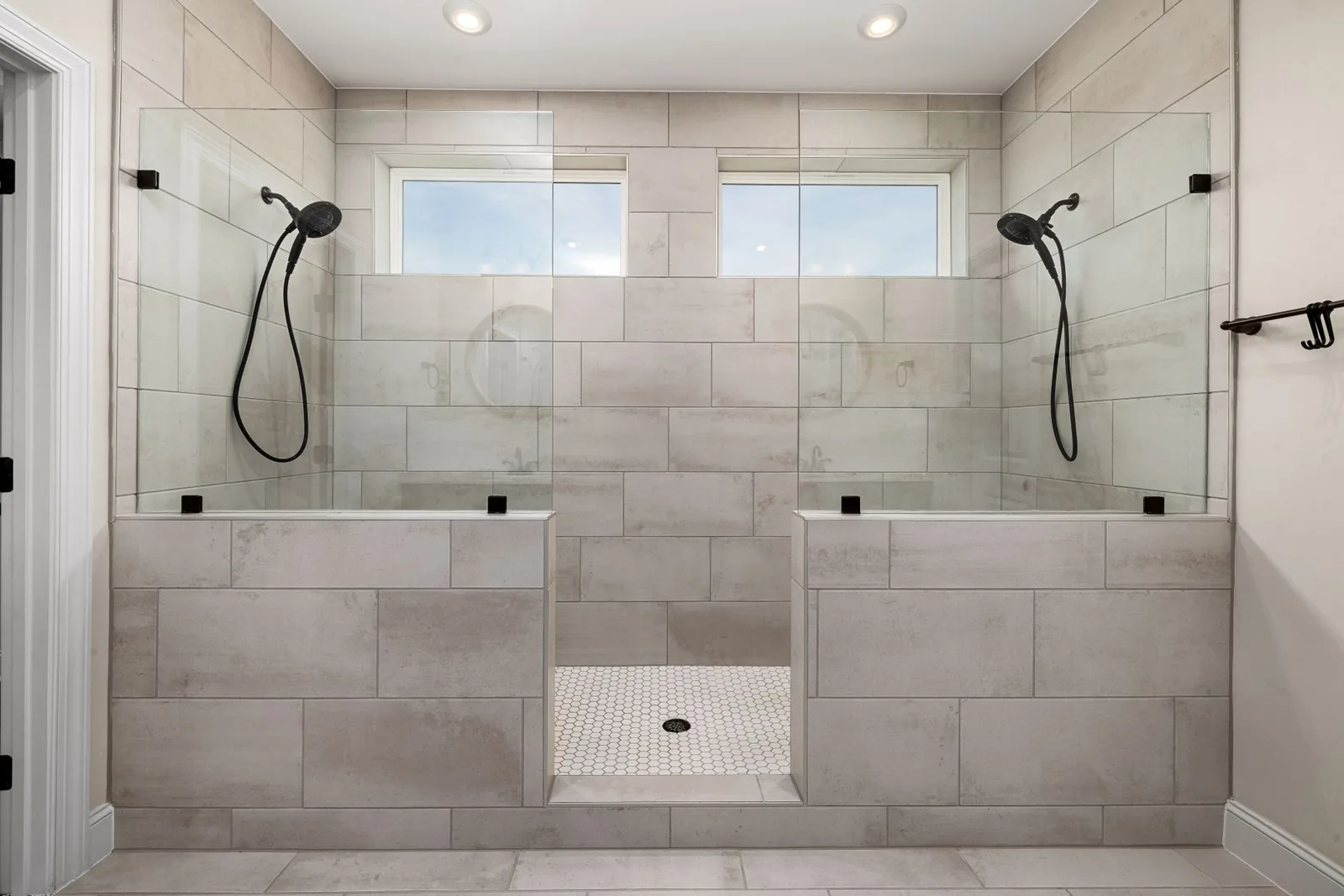
A prefab kit is the fastest, cheapest route and works fine in a guest bath or a rental. Custom tile is what most people picture when they say “walk in shower,” and it holds its value best. Curbless luxury showers — the kind with no threshold at all and a sloped floor that drains into the room — cost the most partly because they demand skilled waterproofing and, often, a lower subfloor.
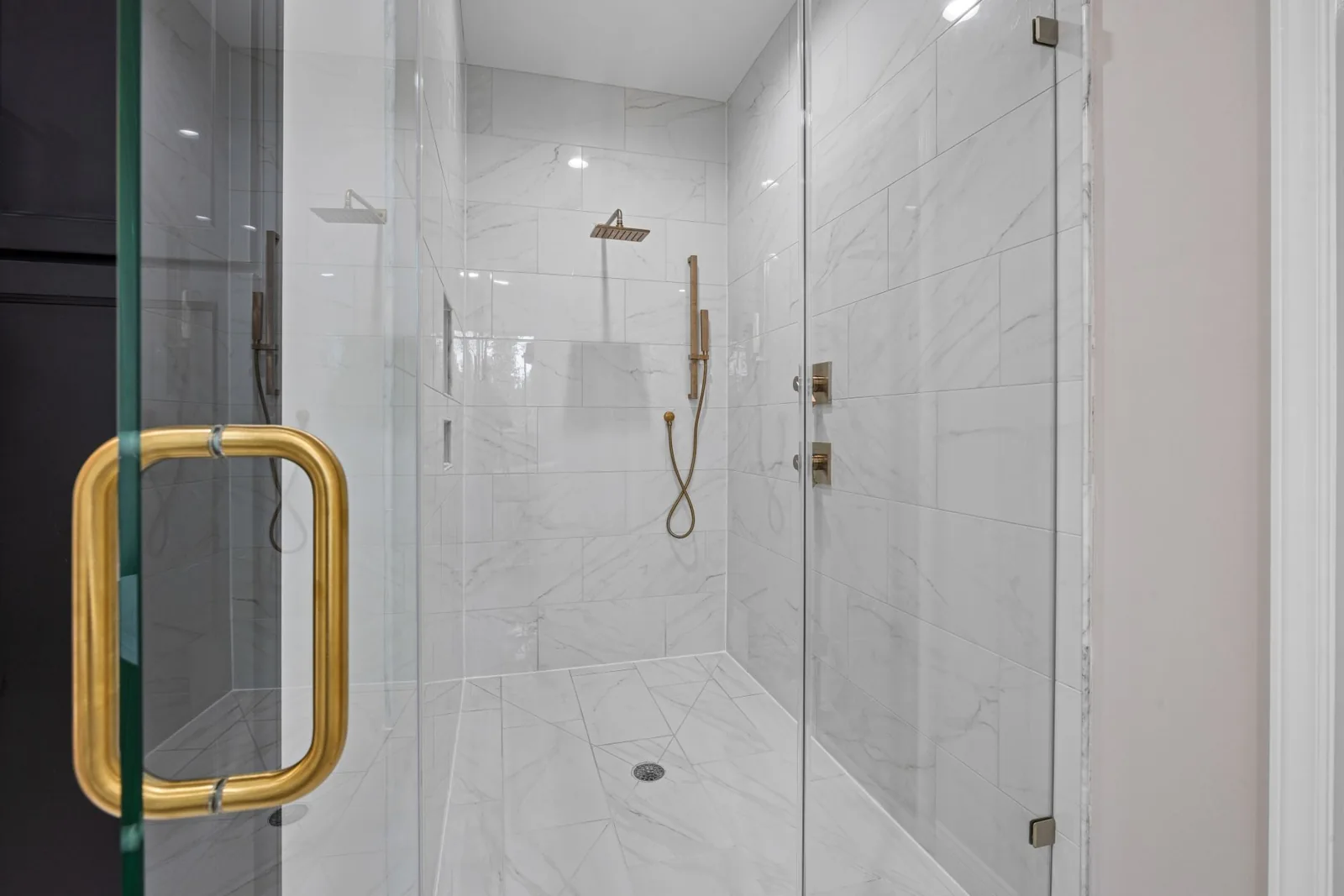
Photo by Curtis Adams via Pexels
Where the Money Goes: Materials vs. Labor
Roughly half to two-thirds of a walk in shower cost is labor. That surprises a lot of homeowners, but it makes sense once you see what’s involved: demolition, plumbing rough-in, waterproofing, framing, tiling, and glass installation are all separate trades or separate days of the same crew.
Here’s a realistic line-by-line for a mid-range custom tile shower:
- Demolition and haul-away: $500–$1,200
- Plumbing rough-in (moving drain or valve): $600–$2,500
- Waterproofing membrane or foam board: $500–$1,200
- Shower pan or mortar bed: $400–$1,500
- Tile and setting materials: $1,500–$4,000
- Glass door or panel: $700–$3,500 (frameless glass alone often runs $2,000+)
- Fixtures (valve, showerhead, drain): $300–$2,000
- Labor for tiling and finish: $2,000–$5,000
The two line items that bite hardest are glass and tile labor. Frameless glass is beautiful and easy to clean, but a single fixed panel can cost more than an entire prefab shower. If you’re trying to keep a lid on cost, look there first.
Factors That Move the Price Up or Down
Beyond the prefab-versus-tile fork in the road, several quieter factors push your walk in shower cost around. Knowing them makes you a smarter shopper when you compare bids.
- Moving the plumbing. Keeping the shower in the same footprint as the old tub or shower is the single biggest money saver. Moving a drain or supply lines involves cutting into the slab or floor framing, and that can add $1,000 to $5,000 in a hurry.
- Curbless design. A true zero-threshold shower often means dropping the subfloor to hide the drainage slope, which is labor-intensive. Choose a low curb instead if you want the look without the structural work.
- Tile size and type. Small mosaic tile looks great but takes far more labor to set than large-format panels. Natural stone is gorgeous but seals harder and cracks more readily than porcelain, and it costs $5 to $25 per square foot just for material.
- Bench, niche, and extras. A built-in bench ($300–$700), a recessed shampoo niche ($200–$500 each), and a rainfall showerhead ($150–$800) all add up. None are expensive alone; together they can be $2,000.
- Where you live. Labor rates swing hard by region. Urban coastal metros routinely charge 30–50% more for the same install than the rural Midwest.
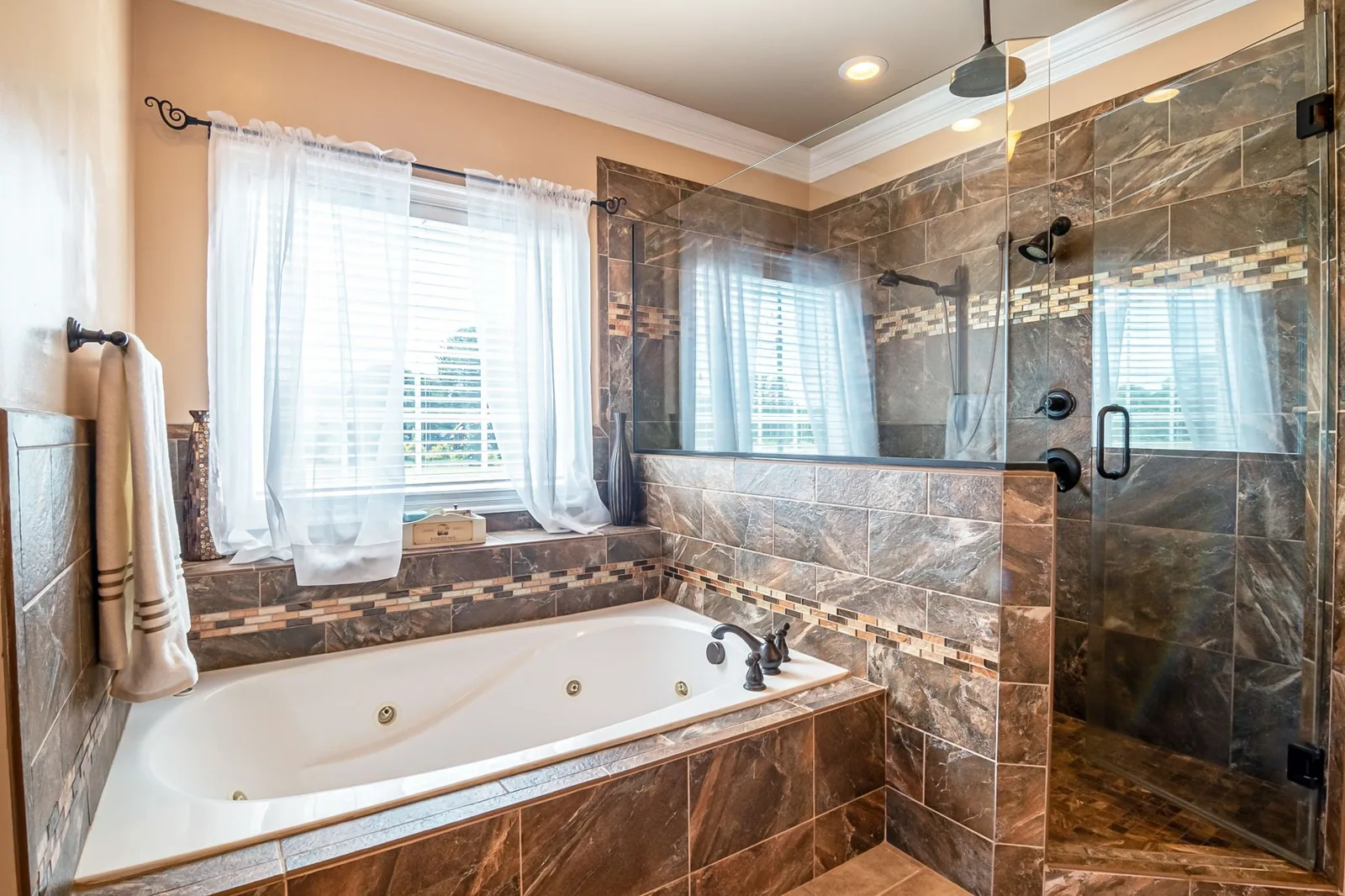
Photo by Curtis Adams via Pexels
Walk-In Shower vs. Bathtub: Which Costs More?
If you’re renovating a full bathroom, you may be deciding between ripping out the tub for a walk in shower and keeping some kind of soaking setup. The honest answer: a walk in shower usually costs more than a basic tub replacement, but less than a full custom tub-to-shower conversion done poorly.
A simple alcove tub with a surround wall can be replaced for $1,500 to $4,000. Converting that same tub to a tile walk in shower typically lands between $4,500 and $12,000, because you’re paying for the new shower pan, waterproofing, tile, and glass that a tub simply doesn’t need.
The trade-off matters for resale too. Realtors often warn against removing the only bathtub in a house, because families with young kids want at least one tub. If you have a second bathroom with a tub, go ahead and build your walk in shower. If it’s the only tub in the house, read our walk-in shower vs. bathtub comparison before you commit — it’s a decision worth getting right the first time.
Smart Ways to Lower Your Walk In Shower Cost
A cheaper walk in shower doesn’t have to look like one. The savings below come from choices most guests will never notice, which is exactly the point.
- Keep the footprint. Don’t move the drain or the walls. Reusing existing rough-in plumbing is worth four figures by itself.
- Choose porcelain over marble. Modern porcelain tile convincingly mimics marble and limestone for a fraction of the material and maintenance cost. Browse shower tile ideas that look high-end without the stone price tag.
- Skip the door, or go with one glass panel. A fixed panel plus a wide walk-through opening gives you the frameless look at roughly half the cost of a full enclosure.
- Limit tile to the wet walls. Drywall on the outer, non-wet areas of the bathroom is fine; you only need tile or waterproof backer board inside the shower’s splash zone.
- Buy fixtures during sales. Faucets, showerheads, and valves from brands like Delta, Moen, and Kohler go on meaningful discount several times a year. A $900 valve set at 30% off is real money back.
- Get three written bids. Line-item quotes make it obvious where one contractor is padding labor or material. Target the median, not the cheapest — the cheapest bid often cuts waterproofing.
If you’re planning a broader renovation, these small decisions roll up into a much bigger number. Our bathroom remodel cost breakdown walks through the full-room picture so you can budget the shower in context.
Frequently Asked Questions
How much does a walk in shower cost on average?
The national average is about $8,000, with most jobs falling between $6,500 and $12,000. Prefab acrylic units can go as low as $1,500, while custom curbless showers with premium tile routinely exceed $20,000.
Is a walk in shower cheaper than a bathtub?
Not typically. A basic tub replacement costs $1,500 to $4,000, while a tile walk in shower usually costs $4,500 to $12,000. The shower needs waterproofing, a pan, tile, and glass that a standard tub doesn’t.
Does a walk in shower add value to a home?
Yes, buyers consistently rank modern, low-maintenance showers among the top bathroom features, and a well-done walk in shower can return a large share of its cost at resale — provided you don’t eliminate the home’s only bathtub.
What is the cheapest way to build a walk in shower?
A prefabricated acrylic or fiberglass kit in the same footprint as the old shower, with porcelain tile kept minimal and a single glass panel instead of a full door. Keep the plumbing where it is and buy fixtures on sale.
How long does it take to install a walk in shower?
A prefab kit takes one to two days. A custom tile shower takes two to five days of labor spread over a week or more for curing and waterproofing inspection. Large curbless builds can run two weeks or longer.
The Bottom Line
A walk in shower cost is one of the widest-ranging line items in a bathroom remodel, and that’s a good thing: it means you can land almost anywhere on the spectrum from $1,500 to $20,000 depending on what you actually want. Prefab keeps it under four grand. Custom tile with frameless glass is where most people settle, at six to twelve thousand. And a curbless, heated, stone masterpiece is there if the budget allows.
The spending that matters most is invisible — waterproofing done right is worth every dollar, because a leak destroys a shower and the room below it no matter how pretty the tile is. Spend on a proper membrane, a tested pan, and a licensed installer. Save on square footage, fixture finishes, and the glass door.
Get three line-item bids, stack the budget-friendly remodel strategies we cover, and you’ll come away with a walk in shower you’re proud of — at a number you won’t regret.