Kitchen Remodel vs Renovation: What’s the Difference and Which Do You Need?
If you’re planning to change your kitchen, you’ve probably run into the “kitchen remodel vs renovation” question — usually on a contractor’s estimate or in a home-improvement forum thread. The two words get tossed around as if they mean the same thing, but they don’t. Knowing which one you’re actually doing changes how much you spend, how long the project takes, and whether you need a permit at all.
In short: a renovation restores or refreshes what’s already there, while a remodel changes the structure and the layout. That distinction sounds small, but it’s the difference between repainting cabinets over a weekend and tearing out walls for a full gut job.
This guide breaks down both terms, what each costs, and how to decide which one your kitchen actually needs.
What Is a Kitchen Renovation?
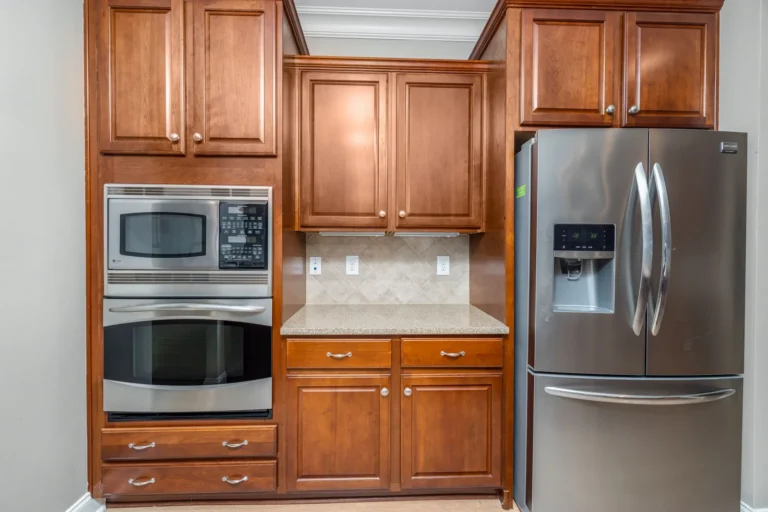
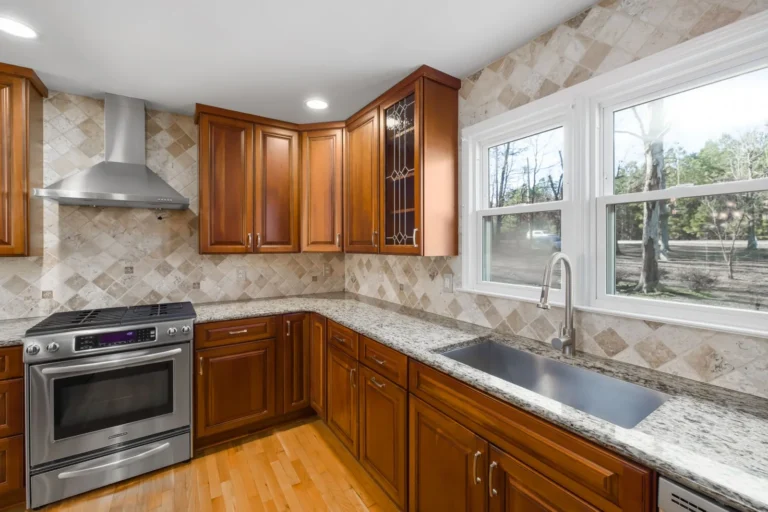
A kitchen renovation is about making the space look and work better without changing its footprint. You keep the walls, the plumbing lines, the electrical layout, and the basic floor plan exactly where they are. What changes is the surface layer: paint, flooring, countertops, hardware, fixtures, and appliances that fit the openings you already have.
Common renovation projects include:
- Repainting or refinishing cabinets and swapping out the hardware
- Replacing countertops, backsplash tile, or flooring
- Upgrading the sink, faucet, and light fixtures
- Swapping dated appliances for new ones that fit the same footprint
- Adding a fresh coat of paint to walls, trim, and ceilings
The appeal is speed and cost. Because you’re not moving plumbing or tearing out walls, a renovation can often wrap up in weeks rather than months, and you can tackle much of it in stages as your budget allows. It’s also far less disruptive — many families keep using their kitchen throughout a renovation with only a day or two of downtime.
What Is a Kitchen Remodel?
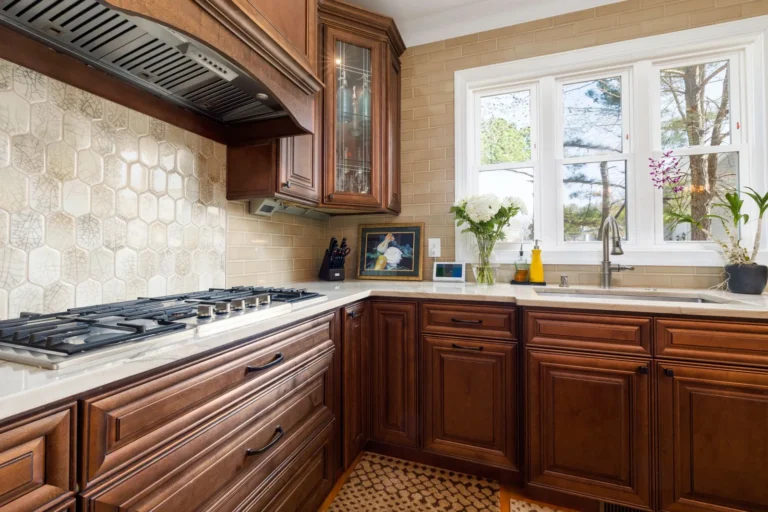
A remodel changes the kitchen itself — the layout, the structure, or the way the room functions. This is where walls come down, islands get added, plumbing and electrical lines get relocated, and the whole room is rebuilt around a new plan.
Typical remodel work includes:
- Removing or adding walls to open up the space
- Relocating the sink, range, or dishwasher
- Installing a new island or peninsula
- Raising or vaulting the ceiling and adding skylights
- Reconfiguring cabinet runs around a brand-new layout
Because a remodel moves utilities and often touches load-bearing structure, it almost always requires permits and a general contractor. It’s a bigger commitment, but it’s also the only way to fix a kitchen that genuinely doesn’t work — a cramped galley, a dead corner, or a layout that traps the cook away from everyone else.
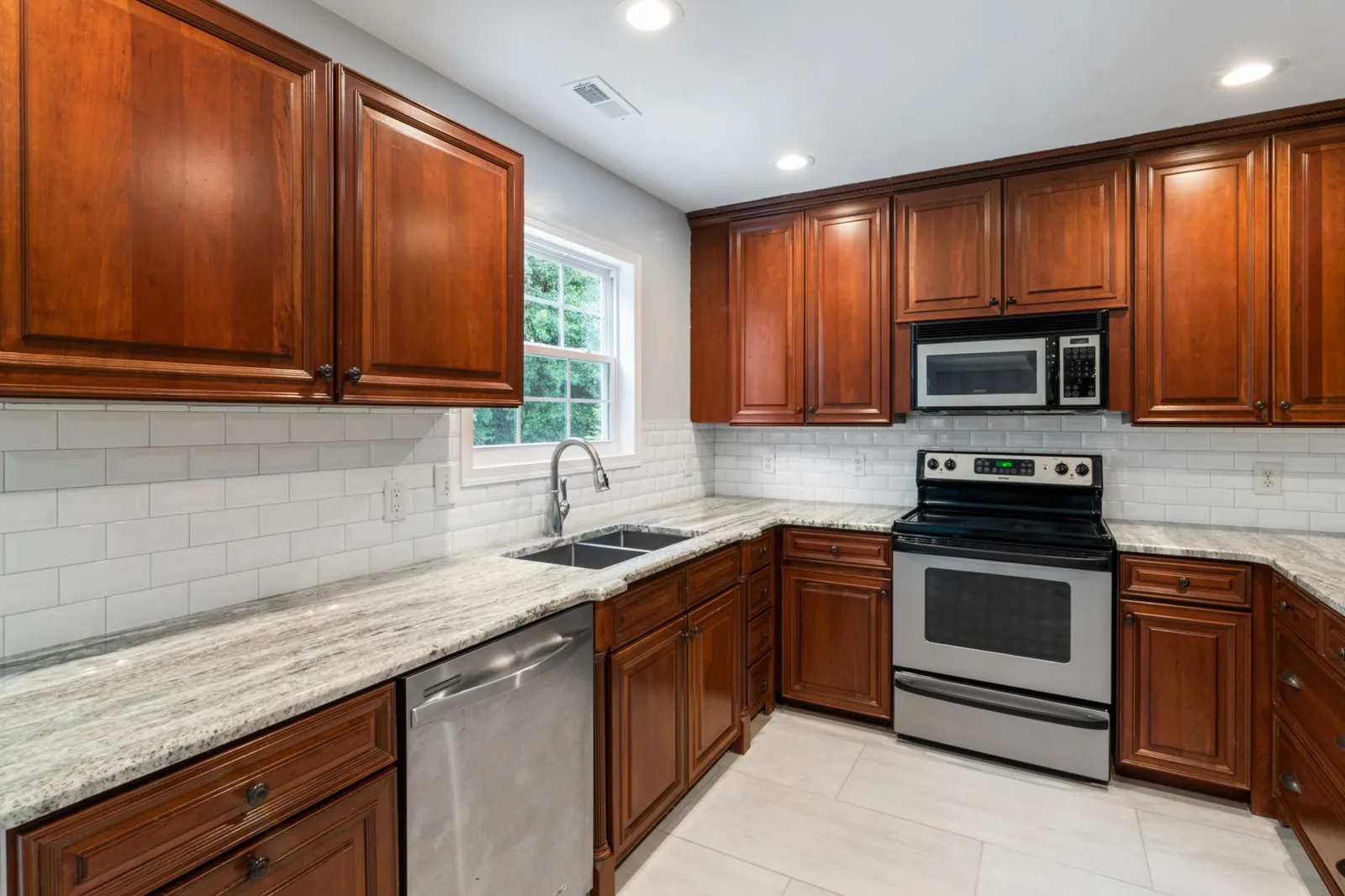
Photo by Curtis Adams via Pexels
Kitchen Remodel vs Renovation: The Key Differences
The cleanest way to separate the two is scope. A renovation works inside the box that already exists. A remodel redraws the box. Here’s how they stack up side by side:
| Feature | Kitchen Renovation | Kitchen Remodel |
|---|---|---|
| Goal | Refresh and update | Change layout or structure |
| Walls and layout | Unchanged | Often altered or removed |
| Plumbing and electrical | Kept in place | Frequently relocated |
| Permits | Rarely required | Usually required |
| Typical timeline | 1–6 weeks | 6–16 weeks or more |
| Typical cost | $5,000–$30,000 | $30,000–$80,000+ |
| Best for | Outdated but functional kitchen | Poor layout or major damage |
A good rule of thumb: if the sink, stove, and fridge stay exactly where they are, you’re renovating. The moment a plumber or electrician has to move a line, you’ve crossed into remodeling territory — and into a different level of cost and permits.
How Much Does Each Cost?
Money is where the “kitchen remodel vs renovation” question usually gets real, because the two projects sit in very different price brackets.
A mid-range kitchen renovation — refacing or repainting cabinets, installing new countertops, adding a tile backsplash, replacing flooring, and updating fixtures — typically runs from about $5,000 to $30,000, depending on square footage and the materials you pick. A full remodel is different. It’s the single most expensive room most homeowners will ever touch, with a mid-range major kitchen remodel averaging roughly $75,000 to $80,000 nationwide and upscale remodels routinely passing $150,000, according to cost data tracked by Angi.
What drives the gap between the two:
- Labor and permits. Moving plumbing and electrical means licensed trades and inspections, which add thousands on their own.
- Structural work. Removing a wall usually means installing a header beam, which can run $3,000 to $10,000 on its own.
- Cabinetry scale. A remodel rebuilds cabinet runs around a new footprint instead of refreshing the ones you already have.
- Disruption. A kitchen that’s out of commission for three months costs more in takeout and temporary setups than one that’s down for a week.
For a closer look at the numbers, see our guide to kitchen remodel cost and how it breaks down per square foot.
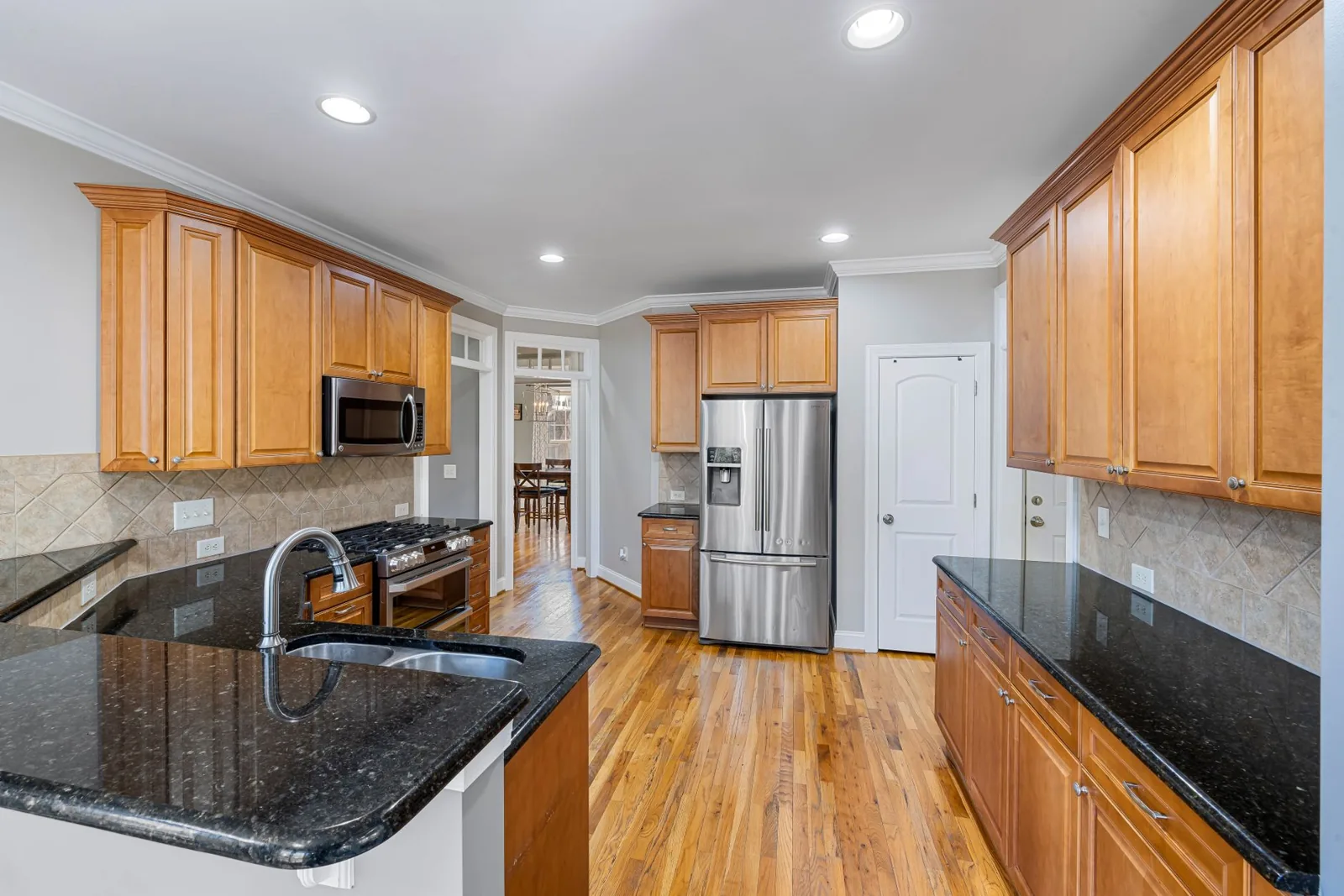
Photo by Curtis Adams via Pexels
Which One Should You Choose?
The right answer comes down to two questions: does the current layout work, and how long do you plan to stay in the house?
Choose a renovation if:
- Your cabinets are structurally sound but the finish looks dated
- The layout works fine, but the surfaces and fixtures look tired
- You’re planning to sell within a year or two and want return without a gut job
- Your budget is under $30,000
Choose a remodel if:
- The layout is awkward — a cramped galley, no island, or a closed-off feel
- You need more storage or a larger, more efficient work triangle
- You’re staying long-term and want the kitchen built around how you actually cook
- You have the budget and appetite for a three- to four-month project
If you’re genuinely torn, a hybrid approach works well for many homes: keep the footprint and renovate the surfaces now, then plan a full remodel down the road once you’ve saved more and lived with the space a little longer. Not sure whether refacing your cabinets delivers enough for the money? We compare that exact choice in our piece on kitchen remodel vs refacing.
Planning Your Project the Right Way
Whichever route you take, the steps before any demolition matter more than the demolition itself.
First, define the problem. Write down the three things that bug you most about the kitchen, then check whether each one can be solved without changing the layout. If all three are fixed by paint, counters, and hardware, a renovation is your answer — and you’ll save tens of thousands by not overbuilding.
Second, get real numbers. Collect at least three written estimates and compare line items, not just bottom lines. For remodels, bring in a designer or a design-build contractor early; a few thousand dollars spent on a plan prevents expensive mid-project changes.
Finally, plan for the disruption. A renovation can often be back in meal-prep shape within a couple of days. A remodel means weeks without a kitchen, so budget for it and, if possible, schedule the heaviest work around a season when grilling or takeout is less of a pain.
Before you commit to any countertop, cabinet, or layout decision, it helps to know what the materials actually cost. Our breakdown of quartz countertops cost is a solid place to start setting a realistic budget, and This Old House has a useful primer on the remodel-versus-renovation distinction if you want a second opinion.
Frequently Asked Questions
Is renovating a kitchen cheaper than remodeling?
Almost always, yes. Renovation keeps plumbing, electrical, and walls in place, so you avoid the permit, structural, and licensed-trade costs that make a remodel expensive. Expect a renovation to cost roughly half to a third of a comparable remodel.
Can I remodel a kitchen without a permit?
Cosmetic renovation work — paint, flooring, cabinet refacing, swapping fixtures — generally doesn’t need a permit. The moment you move plumbing, electrical, or structural walls, most municipalities require one. Check with your local building department before you start, and be wary of any contractor who refuses to pull permits.
How long does a kitchen remodel take?
A full kitchen remodel typically runs 6 to 16 weeks from demolition to final walkthrough, depending on scope, permit approvals, and material lead times. A renovation can wrap up in as little as 1 to 6 weeks.
Do I need a general contractor, or can I do it myself?
Renovation is very DIY-friendly for paint, hardware, and some flooring and tile work. A remodel that moves utilities or walls should stay in professional hands — mistakes there are structural and expensive to undo.
Which adds more value to my home?
On paper, a remodel adds more total value, but you rarely recover the cost dollar for dollar. A minor renovation — refacing cabinets, adding new counters, updating fixtures — typically recovers a higher percentage of its cost than a major remodel, which is why many sellers choose to renovate rather than remodel before listing.
The Bottom Line
The “kitchen remodel vs renovation” question isn’t about which word sounds more impressive — it’s about scope, cost, and how much change your kitchen actually needs. If the layout serves you and only the surfaces look dated, renovate and keep your budget lean. If the room doesn’t work for the way you live, a remodel is the only fix that will.
Start by writing down what you dislike, check whether those problems can be solved without moving a wall, and get three estimates before you sign anything. The right choice is the one that solves your actual problem — not the one that sounds bigger.